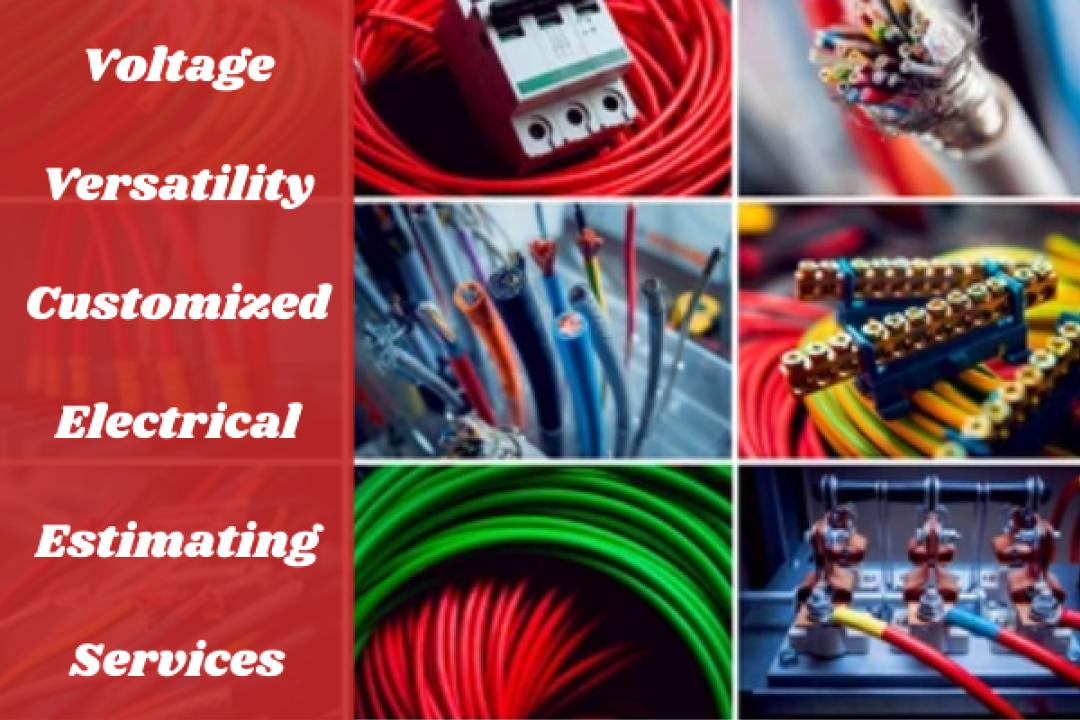

In the electrical contracting and construction industries, precise estimates are crucial. The ability to accurately predict the costs of materials, labor, and equipment directly impacts the success of a project. However, with modern electrical systems becoming more complex, a one-size-fits-all approach to estimating is no longer enough. That’s where "Voltage Versatility" comes into play. By customizing electrical estimating services to consider varying voltage levels and system requirements, precision estimators can deliver more accurate and efficient project forecasts.
What Is Voltage Versatility in Electrical Estimating?
Voltage versatility refers to the ability of an electrical system to manage a range of voltages. It’s not just about understanding the electrical load but also about accurately calculating the voltage-specific needs of a project. Electrical estimating services, when customized to account for voltage versatility, go beyond the usual cost breakdowns to factor in voltage levels, power sources, and system designs. This ensures that estimates reflect the unique electrical requirements of each project.
Electrical estimating traditionally includes calculating materials, labor, and overhead. However, the increasing complexity of electrical systems—such as industrial projects, renewable energy installations, or high-voltage networks—requires a more detailed approach. Estimating for these projects means considering various factors like voltage drops, transformer sizing, circuit configurations, and more. Voltage versatility helps estimators tailor their estimates to these specific needs.
Why Precision Estimators Need Voltage Versatility
Addressing Complex Electrical Systems Today’s electrical systems are highly specialized. Residential, commercial, and industrial setups all have different voltage needs. For example, estimating the cost for a high-voltage industrial facility will require more detailed calculations than estimating for a small office. Voltage versatility ensures that estimators can adjust for varying voltage levels and predict system behavior accurately, leading to more precise project estimates.
Customization for Each Project Every electrical project is unique. Whether it’s installing a low-voltage lighting system or designing a high-voltage power grid, each setup requires its own considerations. Customized estimating services allow professionals to adjust their approach based on the specific voltage requirements of a project. This leads to more accurate, reliable estimates.
Improved Cost Control Custom electrical estimates that account for voltage versatility help keep projects on budget. By factoring in specific voltage needs, estimators can recommend the right materials and equipment for each project, ensuring that resources are used efficiently. When estimators understand how voltage fluctuations impact system performance, they can suggest cost-effective solutions that don’t compromise on quality or safety.
Better Integration with System Design Estimating electrical projects isn’t just about calculating material costs and labor hours—it’s about understanding the system as a whole. Voltage versatility allows estimators to predict how different voltage levels will impact system components, energy efficiency, and the longevity of electrical equipment. This knowledge leads to better estimates and smoother project execution.
Key Features of Customized Electrical Estimating Services
Advanced Software Solutions Modern estimating software can handle the complexity of voltage versatility. These tools allow estimators to input different voltage requirements, load calculations, and system configurations to generate highly accurate cost projections. By adjusting for voltage-specific factors, estimators can quickly update and refine their estimates, ensuring precision every time.
Comprehensive Material Databases A detailed and regularly updated database of electrical components—like transformers, wiring, and circuit breakers—is essential for accurate estimating. Customized estimating services should include access to this database, allowing estimators to choose the right materials for each voltage-specific requirement. This helps avoid errors and ensures that the correct equipment is specified for each project.
Accurate Labor Calculations Labor costs can vary significantly depending on the voltage complexity of the project. For example, handling high-voltage systems requires specialized skills, which can affect both the time and cost required for installation. Voltage versatility in estimating ensures that labor calculations reflect these specialized requirements, leading to more accurate labor cost projections.
Integration with BIM (Building Information Modeling) Building Information Modeling (BIM) is becoming a vital tool in modern electrical estimation. It allows for collaboration between engineers, architects, and contractors, and ensures that electrical designs are seamlessly integrated with the overall building plan. Voltage versatility can be incorporated directly into BIM models, helping estimators predict how different voltage configurations will impact the entire system and building. This integrated approach reduces the risk of unexpected costs or changes during construction.
The Future of Customized Electrical Estimating Services
As electrical systems continue to evolve with new technologies—like smart grids, renewable energy solutions, and electric vehicles—the need for more precise estimating will grow. Voltage versatility will become even more important as systems become more dynamic and tailored to specific needs.
By adopting customized estimating services that account for voltage versatility, estimators can stay ahead of the curve. These services not only deliver more accurate estimates but also help ensure that projects are completed on time, within budget, and to the highest standards of safety and performance.
Conclusion
Voltage versatility in electrical estimating is transforming the way precision estimators work. By customizing estimates to account for specific voltage requirements, electrical contractors and engineers can deliver more reliable, efficient, and cost-effective projects. Whether dealing with residential, commercial, or industrial systems, voltage versatility allows estimators to fine-tune their approach, providing better results and helping projects stay on track.