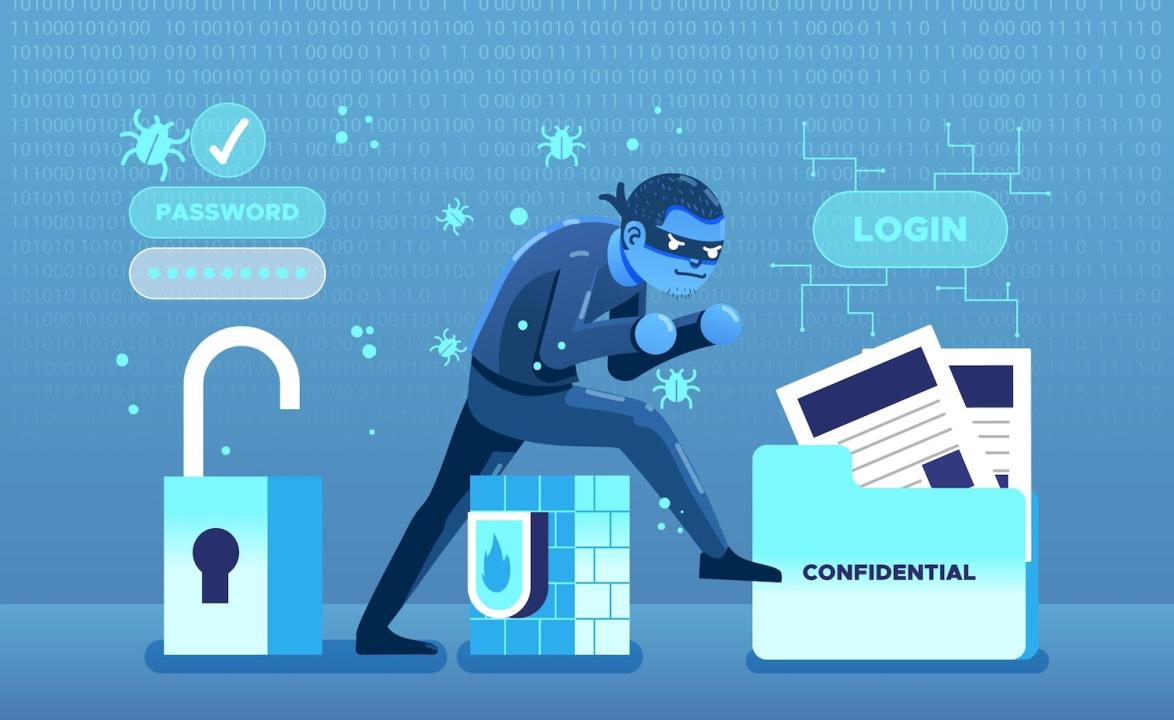
Cyber scams have become a serious threat to individuals and businesses alike and startups, in particular, are prime targets due to their limited security infrastructure and rapid growth, making them vulnerable to sophisticated online frauds. By fraudulent transactions, cybercriminals exploit weaknesses to steal sensitive data and financial assets. Understanding the risks and implementing robust security measures can help startups safeguard their operations and reputation.
Common Cyber Scams Targeting Startups
Fake Email Attacks: Cybercriminals send deceptive emails posing as legitimate entities to trick employees into revealing confidential information, such as login credentials or financial details.
Business Email Compromise (BEC): Hackers gain access to corporate email accounts and manipulate communications to initiate fraudulent transactions or request unauthorized payments.
Fake Invoices and Payment Scams: Fraudsters impersonate suppliers or service providers and send fake invoices, leading to financial losses if payments are processed without verification.
Ransomware Attacks: Malicious software encrypts critical business data, demanding a ransom payment for its release. Such attacks can disrupt operations and lead to significant financial damage.
Social Engineering: Cybercriminals manipulate employees into disclosing sensitive information by impersonating executives, partners, or trusted individuals.
How Startups Can Protect Themselves
Educate Employees: Conduct regular cybersecurity training to help employees recognize potential threats and adopt secure online practices.
Implement Multi-Factor Authentication (MFA): Strengthen account security by requiring multiple verification steps to access critical systems.
Verify Transactions and Communications: Establish internal protocols to confirm financial transactions and verify any suspicious email requests before acting.
Use Secure Payment Methods: Rely on encrypted payment platforms and monitor financial activities for unusual transactions.
Keep Software and Systems Updated: Regularly update security patches and use antivirus software to prevent malware and ransomware infections.
Limit Access to Sensitive Information: Implement role-based access controls to ensure that employees only have access to data necessary for their job functions.
Backup Data Regularly: Maintain secure backups of essential business data to minimize disruptions in case of cyberattacks.
Final Thoughts
Cyber scams are evolving rapidly, making it imperative for startups to stay vigilant and proactive in securing their digital assets. By implementing a strong cybersecurity framework and fostering a culture of awareness, startups can minimize risks and build resilience against cyber threats. In the fast-paced world of entrepreneurship, protecting your business from cyber fraud is not just an option—it’s a necessity.