As we step into 2025, the world
of soap making is on the brink of a vibrant transformation. This year, bold and
bright colors are taking center stage, challenging the soft allure of pastel
soap colors that have dominated in recent seasons. Soap makers and DIY
enthusiasts alike are discovering that color is not just a visual element; it’s
a powerful tool for evoking emotions and attracting consumers. In a crowded
marketplace, the right color choice can make all the difference in capturing
attention and sparking desire.
The trends for soap color in 2025
reflect a dynamic shift toward vibrancy. Neon soap colors are emerging as
favorites, bringing energy and excitement to every bar. These striking hues do
more than just stand out—they also resonate with a sense of modernity and
confidence. As artisans explore these colorful avenues, they’re not just
creating products; they’re crafting experiences that speak to consumers'
aspirations. Join us as we delve deeper into the colorful landscape of soap
making this year, uncovering the trends that will redefine your creations and
keep your brand ahead of the curve.
The Shift from Pastels to Bold Colors
As we step into 2025, the soap
color trends are undergoing a significant transformation. Pastel colors, once
the darling of the beauty industry, are gradually taking a back seat to bolder,
more vibrant hues. This shift can be attributed to changing consumer
preferences that lean toward expressive and dynamic aesthetics. In a world
where individuality and self-expression are paramount, the softer shades that
once dominated the shelves now seem muted in comparison. Today’s consumers seek
products that reflect their personalities and evoke strong emotional responses,
making room for vibrant color palettes in soap making.
The rise of bold colors is not
merely a trend; it’s a movement that resonates deeply with the emotional
landscape of contemporary society. Bright hues like electric blue, fiery
orange, and vivid fuchsia are capturing attention and sparking joy. These colors
not only stand out visually but also have an inherent ability to uplift moods
and energize spaces. For instance, a soap infused with a radiant yellow can
evoke feelings of happiness and optimism, while a rich teal may inspire
calmness and tranquility. As artisans embrace these lively colors, they are
tapping into the power of color psychology, making their creations not just
beautiful but also impactful.
Among the bold colors gaining
traction in 2025 are shades like neon green and deep magenta. Neon green,
reminiscent of vibrant summer landscapes, brings a fresh energy that appeals to
younger demographics seeking novelty. Meanwhile, deep magenta offers a
luxurious feel that adds sophistication to any product line. These colors align
perfectly with current design movements that celebrate maximalism—where more is
more—and invite soap makers to experiment with mixing and matching to create
truly unique offerings. The transition from pastels to bold colors reflects not
only aesthetic preferences but also a cultural shift towards celebrating
individuality and vibrancy in everyday life.
As soap makers navigate this
colorful evolution, embracing bold hues allows for greater creativity and
innovation in product design. By incorporating these eye-catching colors into
their work, artisans can differentiate themselves in an increasingly competitive
market while appealing to consumers who crave authenticity and expressiveness
in their personal care products.
Neon Colors: A Bright Future
As we dive deeper into the
vibrant world of soap making for 2025, neon colors are emerging as a standout
trend that captures both attention and imagination. These vivid shades—think
electric pinks, luminous greens, and radiant yellows—are not only eye-catching
but also resonate with the modern consumer's desire for bold expression in
their personal care products. In an age where individuality reigns supreme,
incorporating neon hues into your soap creations can set your products apart on
crowded shelves, appealing directly to adventurous consumers eager to try
something new.
One of the most compelling
reasons to embrace neon colors is their ability to enhance product visibility.
In a market saturated with pastels and muted tones, neon soaps practically leap
off the shelf, attracting potential buyers with their energetic vibe. The
brightness of these colors naturally draws the eye, making them ideal for
display in stores or online platforms where visual impact is key. For instance,
a neon orange soap bar can evoke feelings of excitement and enthusiasm, while a
vibrant blue might inspire calmness and tranquility. Understanding how these
colors affect consumer preferences can help you tailor your offerings to meet
the demands of your target audience.
When it comes to incorporating
neon into your soap making, there are some effective tips to keep in mind.
Start by selecting high-quality colorants specifically designed for soap to
ensure that the vibrancy holds through the curing process. Experimenting with
layering techniques can create stunning visual effects; for example, pour a
base layer of neon green and follow it with a bright yellow swirl. This
approach not only enhances the aesthetic appeal but also allows you to play
with contrasting colors. Additionally, consider pairing neon shades with more
subdued tones to strike a balance that maintains interest without overwhelming
the senses.
Incorporating neon colors into
your soap creations is more than just a trend; it's an opportunity to express
creativity and innovation. As consumers continue to seek out unique and
striking products, embracing this bright future can position your brand as a
leader in the evolving landscape of beauty and personal care. By staying
attuned to these color trends and utilizing effective soap making tips, you'll
be well on your way to capturing the essence of modern design while appealing
to a diverse array of consumers.
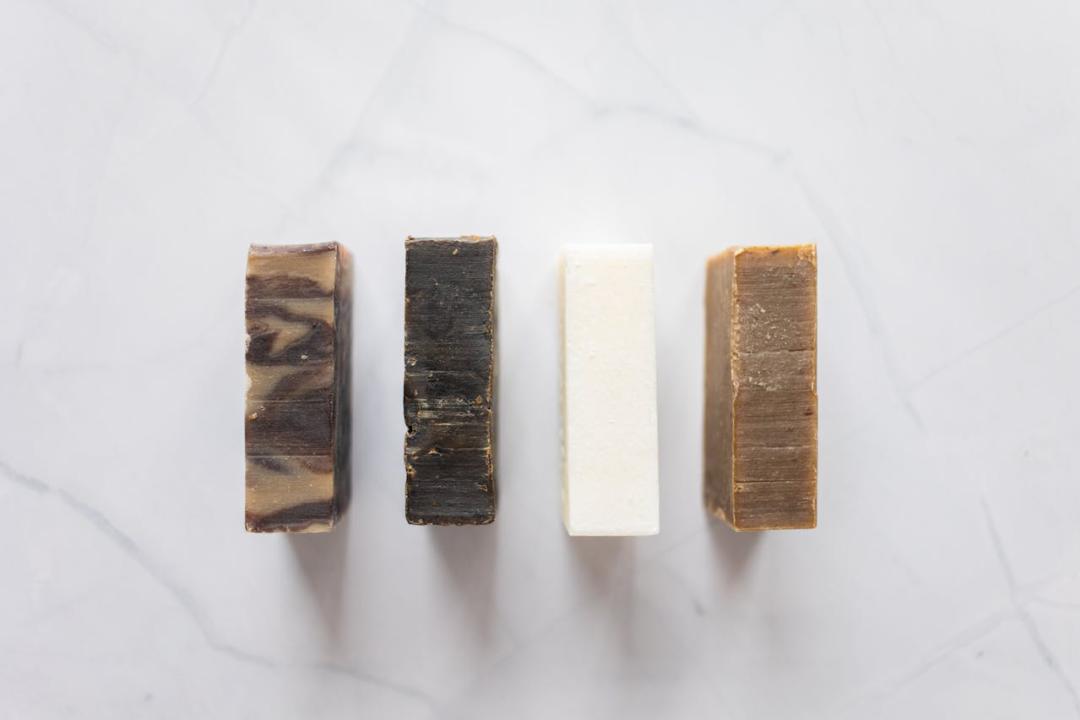
Earthy Tones: A Nod to Nature
As we delve into the soap color trends for 2025, one of the most compelling movements is the resurgence of natural, earthy color palettes. In a world increasingly aware of environmental concerns, consumers are gravitating towards shades that reflect the beauty of nature. This trend is not merely aesthetic; it embodies a life>
The connection between earthy
tones and sustainability is particularly poignant. Colors like terracotta, moss
green, and sandy beige not only evoke the natural world but also resonate with
consumers who value eco-friendly practices. By using natural pigments derived
from botanicals or clays, soap artisans can create vibrant color trends while
minimizing their environmental footprint. This alignment with sustainable
practices enhances brand appeal and fosters loyalty among conscientious buyers
who appreciate both aesthetics and ethics in their beauty products.
For 2025, several earthy colors
stand out as must-haves for artisan soap makers. Rich ochres can add warmth and
depth, while muted greens suggest tranquility and balance. Shades like slate
gray or deep browns can bring a touch of sophistication to your soap designs,
appealing to those who prefer a more understated elegance. These colors not
only work well on their own but also blend beautifully with brighter accents,
allowing for creative combinations that can elevate an artisan’s offerings in a
competitive market.
Incorporating earthy tones into
your soap making can be an exciting challenge. Consider experimenting with
layered designs that showcase different shades of the same color family or
mixing earthy hues with vibrant accents to create contrast. The result will be
products that not only stand out on the shelf but also tell a story of
connection to the environment—an essential narrative for today’s conscious
consumers. Embrace this trend in 2025 and let your soap creations reflect the
natural world around us.
Monochromatic Schemes: Simplifying Soap Design
As we delve into the realm of
soap design for 2025, one emerging trend that stands out is the use of
monochromatic color schemes. This approach focuses on utilizing a single color
in various shades and tints, which not only simplifies the design process but
also creates a visually striking and cohesive product. By embracing a
monochromatic palette, soap makers can evoke strong emotions tied to color
psychology, allowing them to connect with consumers on a deeper level. For
instance, shades of blue can impart feelings of calm and serenity, making them
perfect for relaxation-themed soaps.
The beauty of monochromatic
designs lies in their ability to convey sophistication and elegance. When
executed correctly, a single color can range from light to dark, creating depth
and dimension without overwhelming the viewer. This approach is particularly
appealing in today’s market, where consumers are drawn to products that exude a
sense of refined simplicity. Brands like Lush have successfully utilized
monochromatic schemes in their product lines, showcasing how a well-thought-out
color story can enhance brand identity while keeping the focus on the product
itself.
Market insights suggest that
consumers are increasingly gravitating toward minimalist aesthetics, making
monochromatic designs an ideal choice for soap makers aiming to appeal to this
demographic. For example, incorporating different shades of green can reflect a
brand's commitment to sustainability, while simultaneously tapping into the
natural and organic trend. This alignment not only strengthens brand messaging
but also helps create an emotional connection with environmentally conscious
buyers.
In summary, adopting
monochromatic schemes in soap design offers numerous benefits, including
enhanced sophistication and emotional resonance through color psychology. As
trends continue to shift toward minimalism and simplicity, embracing this
design strategy could set your products apart in a competitive market. With
successful examples already paving the way, now is the perfect time for
artisans and DIY enthusiasts to explore the potential of monochromatic color
palettes in their soap creations.
Metallic Accents: Adding a Touch of Glamour
As we dive into 2025's soap color
trends, metallic accents are emerging as a powerful way to elevate the
aesthetic appeal of handmade soaps. The beauty industry has seen a significant
surge in the popularity of metallic colors, with shimmering golds, silvers, and
bronzes capturing consumer attention across various product categories. This
trend is not just about luxury; it's about creating an eye-catching visual that
invites consumers to indulge in a sensory experience. For soap makers,
incorporating metallic elements can transform an ordinary bar into a statement
piece, making it stand out on shelves or social media feeds.
Integrating metallics into your
soap creations can be achieved through several techniques. One popular method
involves using mica powders or metallic colorants that can be blended directly
into the soap base. These pigments provide vibrant, reflective finishes when
used correctly. Another approach is to create layered designs, where a metallic
layer is poured between two different colored soap layers, adding depth and
intrigue. Additionally, you can experiment with metallic embeds or decorative
swirls that can accentuate the overall design while giving that luxurious feel.
However, balancing metallics with
other colors is crucial for achieving a harmonious look. Too much shine can
overwhelm the senses and detract from the intended beauty of the soap. To
maintain this balance, consider pairing metallics with muted or earthy tones
that ground the overall composition. For instance, a soft lavender soap
accented with gold swirls can create a stunning contrast without being overly
flashy. Moreover, keeping the design simple yet striking often yields the best
results—think minimalist shapes enhanced by metallic highlights rather than
overly complicated patterns.
In conclusion, as we embrace the
soap color trends of 2025, incorporating metallic accents can add a touch of
glamour that resonates with consumers seeking both elegance and uniqueness. By
employing thoughtful techniques and maintaining balance in color choices, soap
makers can create visually captivating products that not only draw attention
but also convey quality and sophistication.
Color Psychology in Soap Making
Understanding color psychology is
crucial for soap makers who wish to create products that resonate emotionally
with consumers. Colors have the power to evoke feelings and associations,
influencing how a product is perceived. For instance, vibrant reds can
stimulate excitement and passion, while calming blues often evoke tranquility
and trust. When selecting colors for your soap creations, it's essential to
consider not only the aesthetic appeal but also the emotional responses they
may trigger. A well-thought-out color palette can enhance the overall
experience of using the product, making it more memorable for the consumer.
Moreover, color choices play a
significant role in consumer buying decisions. Research has shown that up to
90% of snap judgments made about products are based on color alone. This means
that the right hue can make or break your product’s success on the shelf. For
example, if you’re targeting a youthful demographic, bold and bright colors
like neon greens and pinks may attract attention and convey a sense of fun and
energy. In contrast, if your brand focuses on luxury or relaxation, muted tones
combined with soft pastels can create an aura of sophistication and calmness.
Aligning your color strategy with your target audience's expectations can
significantly increase your product’s appeal.
To effectively align soap colors
with brand messaging, consider creating a color story that reflects your
brand's values and mission. For instance, a brand focused on sustainability
might opt for earthy tones like greens and browns to emphasize their commitment
to nature. On the other hand, a brand that celebrates creativity might
experiment with a mix of bold, unexpected colors to showcase individuality and
artistic expression. Incorporating color themes into your branding—such as
through packaging, marketing materials, and social media—can create a cohesive
identity that resonates with consumers and builds brand loyalty.
In conclusion, leveraging color
psychology in soap making is not just an artistic choice; it's a strategic move
that can enhance consumer connection and drive sales. By understanding the
emotional impact of different colors and aligning them with your brand’s
messaging, you can craft soap products that not only look beautiful but also
deeply engage your audience. So, as you explore the vibrant trends of 2025,
remember that each color you choose tells a story—and it’s up to you to make it
a compelling one.
Staying Ahead: Forecasting Future Trends
As we look beyond 2025, it's
essential for soap makers and beauty product developers to stay attuned to
evolving consumer preferences. The soap color trends of 2025 signal a
significant shift towards boldness and vibrancy, but the industry is always in
flux. Anticipating future trends means understanding the broader cultural
movements and environmental considerations that influence consumer choices. For
instance, as sustainability continues to be at the forefront of consumer
consciousness, we may see a resurgence in natural pigments derived from plants
and minerals, merging the bold with the organic.
To keep your creative juices flowing, leverage resources like trend forecasting platforms and social media analytics tools. Websites such as TrendWatching or Pinterest’s trending section can provide insights into what colors and >
Moreover, don't shy away from
experimenting with color combinations that challenge the norms. The
intersection of bold and earthy tones could create a unique aesthetic that
appeals to diverse customer bases. Imagine a vibrant fuchsia swirled with a
muted sage green—this unexpected pairing could lead to innovative products that
stand out on the shelves. Embracing experimentation allows for personal
expression while keeping your offerings fresh and aligned with emerging trends.
In conclusion, staying ahead in
the soap-making industry requires vigilance and adaptability. By being
proactive in understanding consumer behavior and exploring various resources
for inspiration, you can confidently navigate the changing landscape of soap
color trends beyond 2025. Encourage yourself and your peers to embrace
experimentation—after all, the most captivating creations often come from bold
risks!
Embrace the Future of Soap Making
As we look ahead to 2025, the
soap color trends are shifting toward bold and vibrant hues. Pastels are making
way for eye-catching neons and rich earthy tones, reflecting a desire for
expression and connection to nature. Monochromatic schemes and metallic accents
also offer unique opportunities to enhance your creations. These trends not
only capture attention but also resonate emotionally with consumers.
Now is the perfect time for
makers to innovate. Don't shy away from experimenting with bold colors and
combinations that speak to your brand's identity. Staying trendy in the soap
market is crucial for attracting customers and standing out in a crowded space.
Embrace these soap color trends for 2025, and let your creativity shine!