
As the gaming industry continues its meteoric rise—on track to exceed $300 billion in revenue by 2026—innovation remains its driving force. From hyper-realistic visuals to deeply immersive narratives, developers constantly strive to elevate player experiences. Among the emerging technologies reshaping this landscape, one stands out for its disruptive potential: blockchain.
Though originally linked with cryptocurrencies, blockchain is now being leveraged in new ways, particularly within the realm of digital gaming. But is it truly capable of enhancing gameplay, or is it simply another fleeting tech trend?
In this article, we delve into how blockchain is not just enriching gaming features but fundamentally transforming how players engage with, own, and profit from in-game experiences—ushering in a new era of blockchain game development.
Understanding Blockchain in Gaming
At its essence, blockchain functions as a decentralized, tamper-proof digital ledger. Within gaming, it securely records everything from digital assets and transactions to player identities and even core game mechanics.
Rather than relying on centralized servers controlled by game publishers, blockchain distributes this data across a network. This decentralization enhances player autonomy, increases transparency, and fosters a more trustworthy and flexible gaming ecosystem.
Ownership Redefined: Players in Control
One of the most significant ways blockchain improves the gaming experience is through true digital ownership.
In traditional games, when players buy skins, weapons, or in-game currency, they’re essentially renting access. These assets are confined to that specific game and controlled by the publisher. If your account is banned or the game is shut down, all of your purchases vanish.
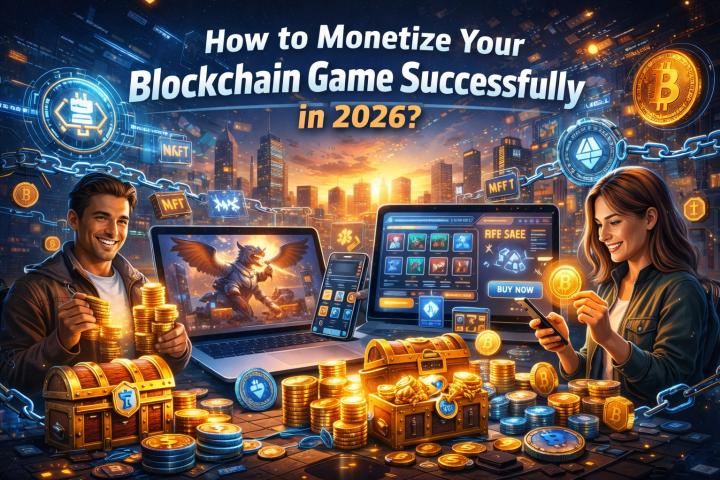
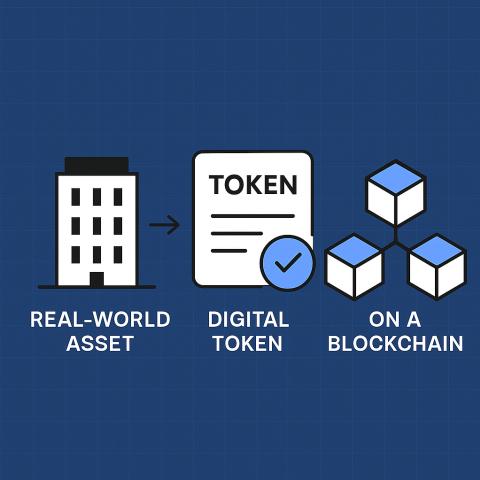
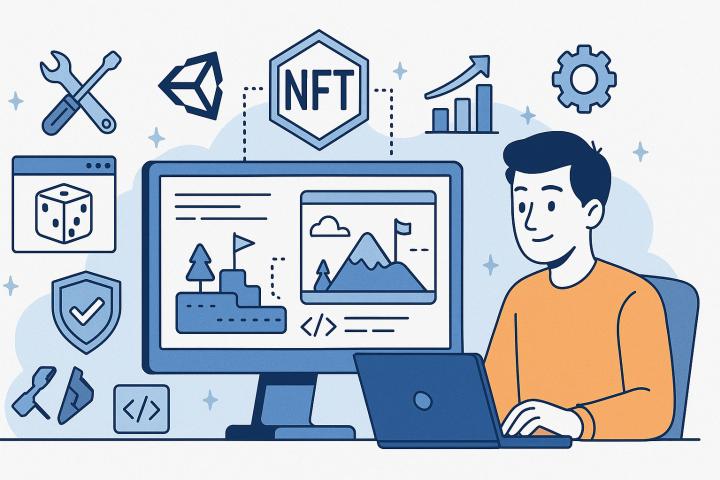
With blockchain, in-game assets can be created as non-fungible tokens (NFTs), giving players real, provable ownership. These assets exist on the blockchain, separate from the game itself. That means players can buy, sell, trade, or even use them across different games and platforms—unlocking an entirely new level of engagement and value.
Earning While Playing: A New Economic Model
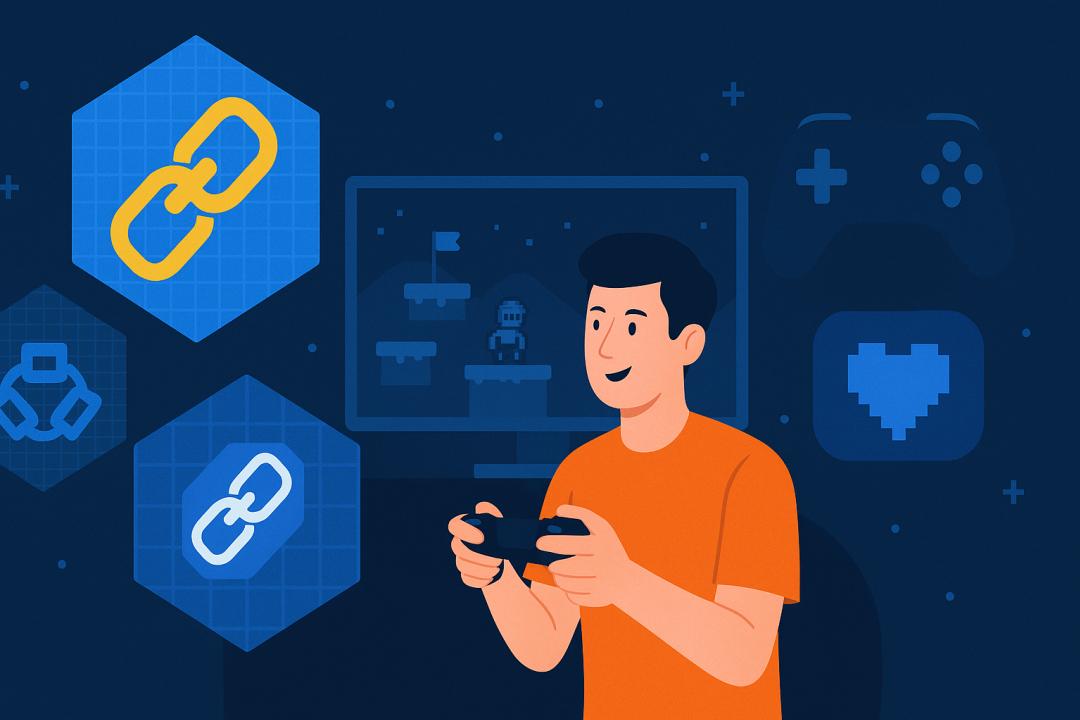
Blockchain also enables the play-to-earn (P2E) model. Instead of spending countless hours playing without real-world value, gamers can now earn crypto tokens, NFTs, or other digital assets as rewards.
In emerging economies, this has become more than just a perk—it’s a livelihood for many. Games like Axie Infinity showed the world what’s possible when gaming becomes economically rewarding. Players could breed, battle, and trade creatures while earning cryptocurrency that could be converted into real money.
This changes the player's role from consumer to participant in a digital economy, making games more than entertainment—they become ecosystems.
Transparency and Fair Play
Cheating and fraud have plagued online gaming for years. From rigged matchmaking to black-market asset trading, centralized systems often struggle to maintain fairness and transparency.
Blockchain's transparent and immutable nature makes it a powerful tool for trust-building. All transactions and interactions can be recorded on-chain, ensuring that rules are enforced via smart contracts—pieces of code that execute actions when specific conditions are met.
This also creates verifiable scarcity of items, making rare drops or legendary items truly unique and limited—something players can see for themselves on the blockchain.
Decentralized Game Worlds: The Power of Community
Blockchain can take gaming one step further by decentralizing the governance of games. Using decentralized autonomous organizations (DAOs), players can influence a game’s direction, from storyline developments to economic rules.
Imagine a fantasy MMORPG where players vote on which land should be opened next, or how a magic system should evolve. This level of involvement turns casual gamers into active stakeholders, deepening engagement and loyalty.
Community-driven development also means games can evolve based on real player feedback instead of being dictated by corporate strategies or monetization plans.
Interoperability Across Games
One of the most exciting (and futuristic) aspects of blockchain in gaming is interoperability—the ability for assets to move across different games or platforms.
Imagine your armored knight in a medieval RPG being imported into a space shooter with a sci-fi twist, or your NFT pet from one game becoming a companion in another. While this is still a developing concept, it shows promise for building connected digital universes—the foundation of the broader Metaverse.
Interoperability empowers players to carry their progress, identity, and value across multiple experiences, rather than starting from scratch in every new title.
Securing the Gaming Ecosystem
Security has always been a concern in digital games. Account hacks, stolen items, and identity theft are all too common. With blockchain, security is enhanced significantly:
- Immutability prevents asset duplication or deletion.
- Decentralization reduces the risk of single-point server failures or breaches.
- Private wallets allow users to control access to their in-game assets securely.
Players don’t need to rely on third parties or trust centralized servers. Instead, they own a cryptographic key that gives them control over their assets and identity.
Challenges and Considerations
Despite its promise, blockchain gaming isn't without its hurdles.
- Scalability – Popular blockchains like Ethereum have faced issues with congestion and high transaction fees, making some games costly or slow.
- User Experience – Blockchain games often require setting up crypto wallets or dealing with unfamiliar interfaces, which can deter casual gamers.
- Speculation and Scams – Some NFT-based games have been more about profit than playability, leading to concerns about long-term sustainability and user trust.
- Environmental Impact – Proof-of-work blockchains have drawn criticism for their high energy consumption, though many projects now use proof-of-stake or other eco-friendly alternatives.
Developers are actively working on Layer 2 solutions, better user interfaces, and more sustainable blockchain models to overcome these barriers.
So, Can Blockchain Create Better Gaming Experiences?
The short answer: yes—but with thoughtful implementation.
Blockchain brings features that gamers have wanted for years—true ownership, real rewards, better transparency, and community-driven ecosystems. For developers, it opens new economic models and ways to engage players beyond traditional gameplay.
While the technology is still maturing, the potential is undeniable. As scalability improves, interfaces become more intuitive, and players become more educated, blockchain could become a core part of game development and player interaction.
Whether it's through unique in-game assets, collaborative virtual economies, or secure digital identities, blockchain technology is laying the foundation for a smarter, fairer, and more immersive gaming future.