
The Thermal Imaging Market is undergoing a period of dynamic expansion as industries worldwide increase investments in surveillance, monitoring, and diagnostic technologies. From critical defense applications to predictive maintenance in manufacturing and advanced healthcare diagnostics, thermal imaging has cemented its importance in today's tech-driven world.
The global thermal imaging market size was valued at USD 3.94 billion in 2024 and is expected to grow from USD 4.23 billion in 2025 to reach USD 6.91 billion by 2033, growing at a CAGR of 6.17% during the forecast period (2025-2033).
Thermal imaging technology enables visualization of heat patterns in real time, which is invaluable in situations where visibility is compromised or traditional imaging fails. This has made it indispensable in sectors like aerospace and defense, industrial inspection, healthcare, and security surveillance.
The global thermal imaging market is projected to grow at a significant CAGR over the next decade. Key driving forces include advancements in sensor technologies, miniaturization of thermal cameras, increasing need for contactless diagnostics, and heightened global security threats.
Key Trends Driving the Market:
Increased Defense Spending: Military and defense agencies are investing heavily in thermal imaging for border security, night operations, and drone surveillance.
Miniaturization of Thermal Modules: Compact, lightweight, and cost-efficient thermal modules are enabling new applications in consumer electronics and wearables.
Integration with AI and IoT: Smart analytics and IoT connectivity enhance thermal imaging's effectiveness in industrial automation and smart city infrastructure.
Healthcare Adoption: Post-pandemic demand for non-contact diagnostic tools has significantly boosted thermal imaging in medical screening and diagnostics.
Industrial Predictive Maintenance: Thermal imaging is being increasingly used in manufacturing for early detection of equipment anomalies and failures.
10 Key Questions Answered by the Thermal Imaging Market Report:
What are the primary growth drivers in the thermal imaging market?
Which sectors are the most prominent users of thermal imaging technology?
How is thermal imaging evolving with the integration of AI and machine learning?
What are the latest innovations in thermal sensor technologies?
How do regulatory frameworks impact the deployment of thermal imaging in various regions?
What are the current challenges faced by manufacturers in this market?
Which type of thermal imaging product is in highest demand?
How is the market segmented by application and vertical?
What is the expected growth trajectory for the thermal imaging market over the next 5–10 years?
Who are the key players, and what strategies are they employing to remain competitive?
Table of Contents
Executive Summary
Market Overview
Key Market Drivers and Challenges
Emerging Trends and Opportunities
Segmentation Analysis
By Type
By Application
By Vertical
Regional Market Outlook
Competitive Landscape
Company Profiles
Future Outlook and Strategic Recommendations
Market Segmentation
By Type:
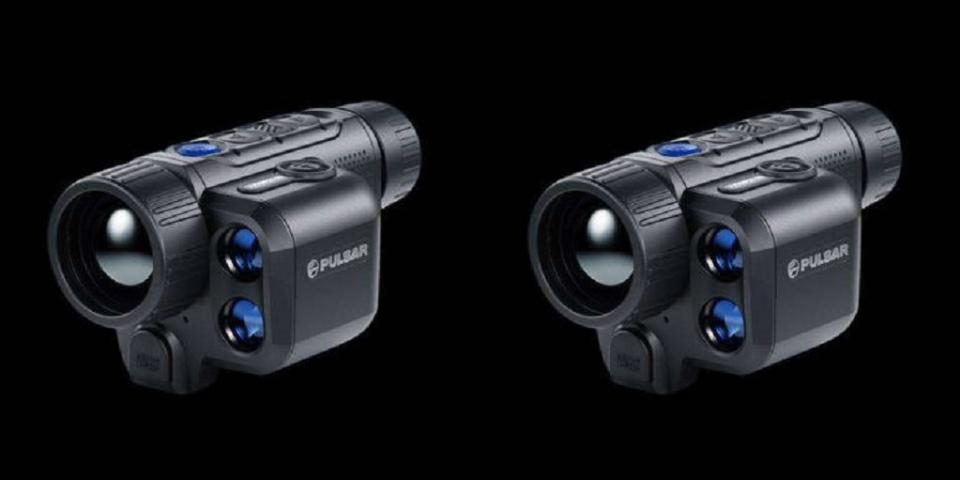
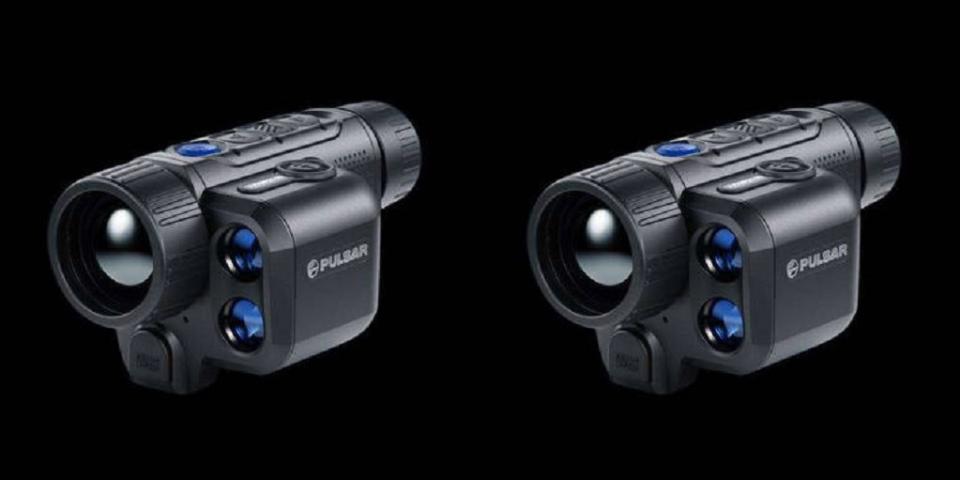
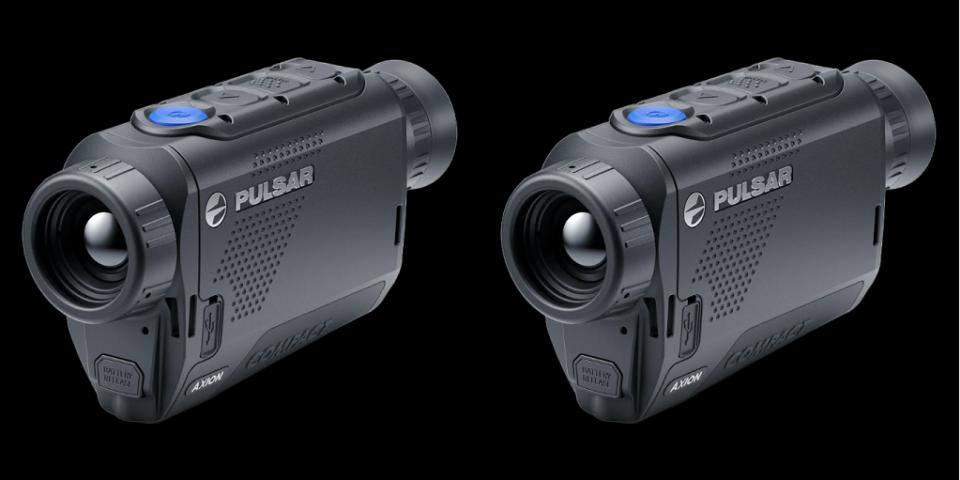
Cameras: Widely used across industries for surveillance, inspection, and diagnostics. Offers detailed thermal visualization.
Modules: Embedded into larger systems or platforms for custom applications, including mobile devices and robotics.
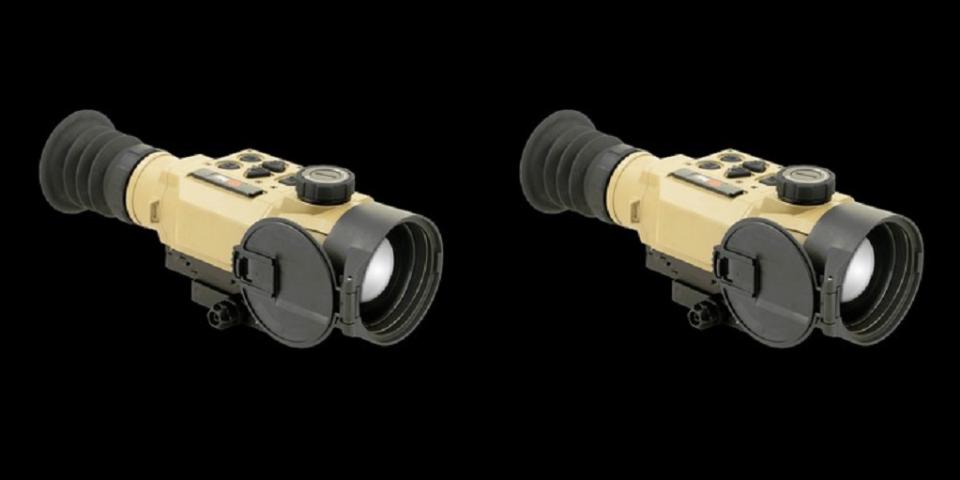
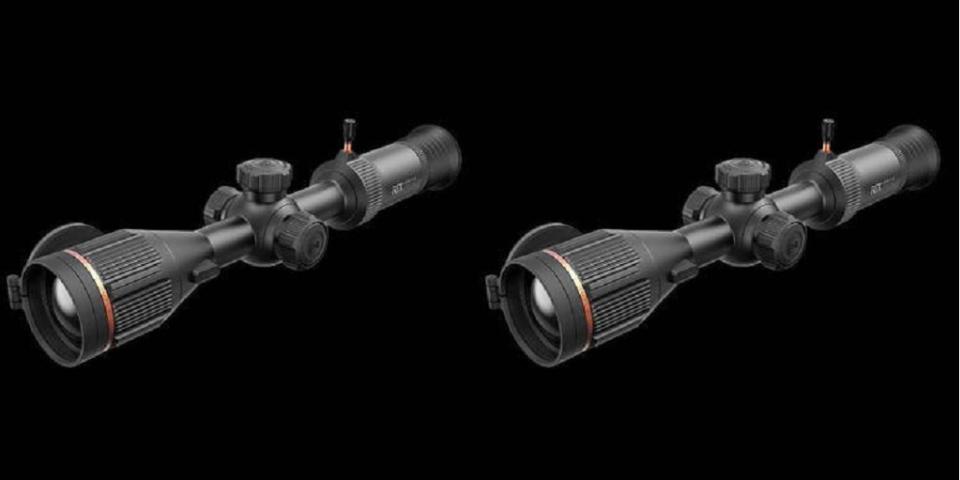
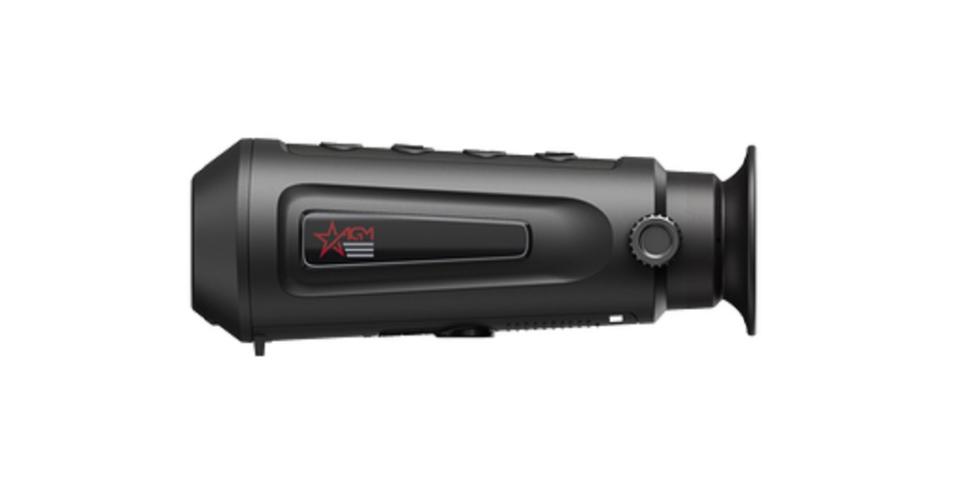
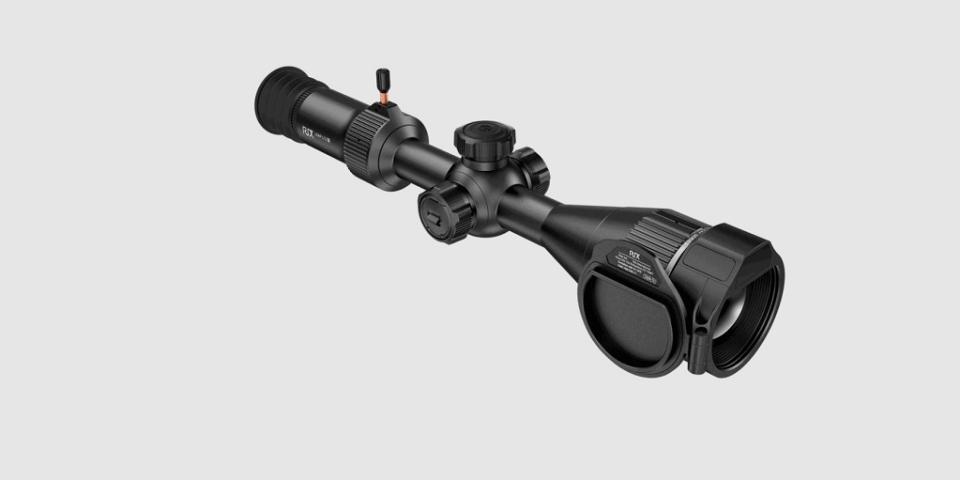
Scopes: Primarily used in defense and hunting applications for night vision and tactical operations.
By Application:
Security & Surveillance: Essential for night-time and low-visibility operations across military and civilian sectors.
Monitoring & Inspection: Used in industrial settings for monitoring electrical systems, machinery, and infrastructure.
Detection: Includes fire detection, leak detection, and human presence identification in critical environments.
Others: Encompasses research, automotive diagnostics, and wildlife observation.
By Vertical:
Aerospace & Defense: The largest segment, relying on thermal imaging for navigation, target acquisition, and situational awareness.
Industrial: Thermal technology plays a key role in maintenance, quality assurance, and operational efficiency.
Healthcare & Life Sciences: Growing rapidly with applications in diagnostic imaging, fever detection, and physiological assessments.
Key Player Analysis
FLIR Systems
A global leader in thermal imaging technologies, FLIR offers a broad portfolio including cameras, modules, and software for industrial, commercial, and military use.
Fortive
Known for precision instrumentation, Fortive’s thermal imaging products are utilized in industrial diagnostics and safety monitoring.
Axis Communications
Specializes in network video and thermal imaging surveillance systems for smart city and critical infrastructure security.
Leonardo
An aerospace and defense firm that develops cutting-edge thermal imaging systems for military and homeland security applications.
BAE Systems
Provides high-performance thermal scopes and targeting systems for ground and aerial defense operations.
L3 Technologies
Delivers tactical imaging systems and night vision tools, with a strong emphasis on defense and law enforcement sectors.
United Technologies
Integrates thermal imaging into aerospace systems, particularly for navigation, maintenance, and situational intelligence.
Sofradir
A key player in high-resolution infrared imaging sensors used in defense, space exploration, and industrial inspection.
Testo
Manufactures handheld thermal cameras for HVAC, electrical inspections, and energy audits in the commercial sector.
Xenics
Focused on advanced infrared solutions, Xenics delivers thermal imaging for semiconductor inspection, R&D, and medical imaging.
Conclusion
As industries become more reliant on data-driven, contactless, and automated technologies, thermal imaging has emerged as a cornerstone of innovation. Its adaptability across diverse environments—ranging from combat zones to factory floors—underscores its growing value.
With continuous advancements in imaging technology and integration into smart platforms, the thermal imaging market is set for sustained growth. Companies that invest in innovation and strategic partnerships will lead the charge in this evolving landscape.