
Soundproofing is becoming an essential element in the design of modern spaces—be it residential, commercial, or industrial. With increasing awareness about acoustic comfort and noise pollution, more people are exploring effective solutions to control sound transmission. Two popular options often compared are the Acoustic Board for Walls and Mass Loaded Vinyl Sound Barriers. Both are efficient in their own ways, yet serve slightly different purposes and perform best in distinct scenarios.
Let’s take a closer look at these two materials, breaking down their advantages, limitations, and ideal use cases.
Understanding the Basics
What is an Acoustic Board for Walls?
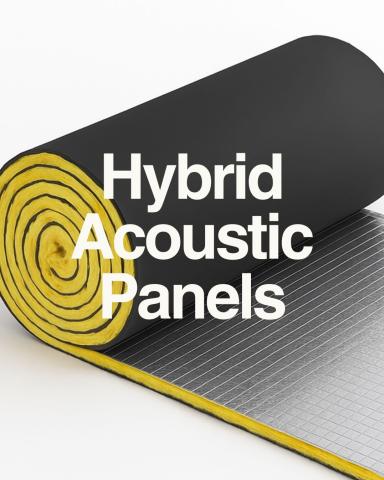
An Acoustic Board for Walls is typically made from porous, fibrous, or foam-based materials that absorb sound. These boards are designed primarily for sound absorption—reducing echo, reverberation, and improving overall sound quality within a space. They are commonly used in offices, auditoriums, home theaters, studios, and classrooms.
What are Mass Loaded Vinyl Sound Barriers?
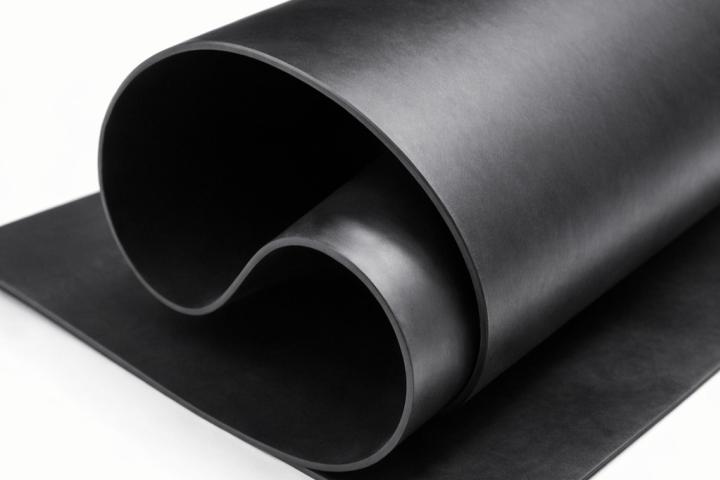
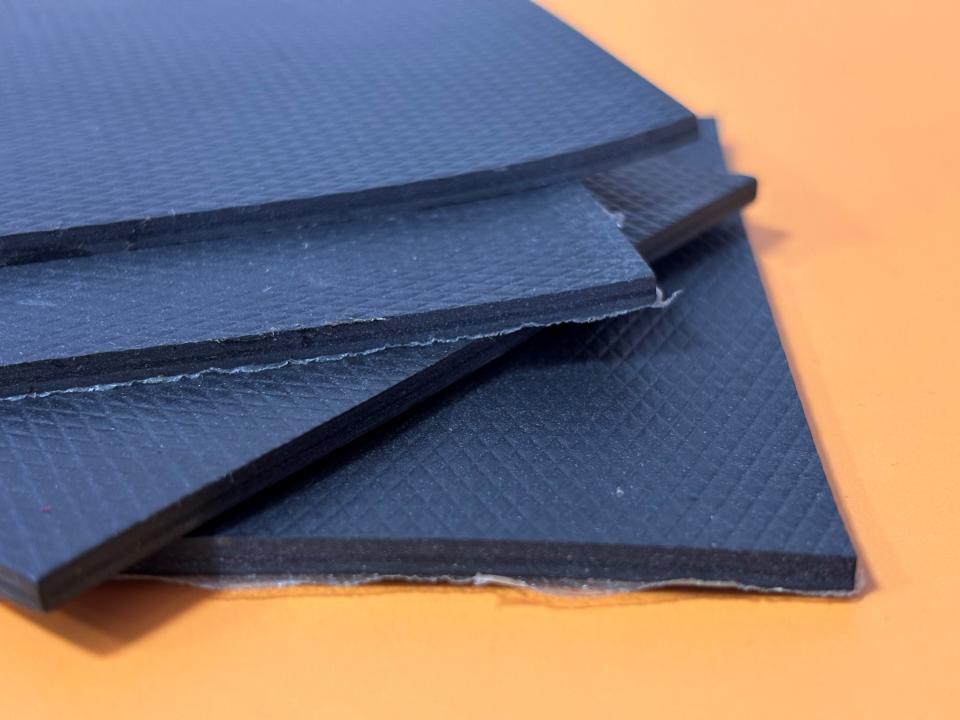
Mass Loaded Vinyl Sound Barriers are dense, flexible materials used to block sound transmission through walls, ceilings, and floors. Unlike acoustic boards, their primary function is soundproofing—preventing noise from entering or leaving a space. This material is usually installed behind drywall or inside partitions and is valued for its thin profile and high density.
Pros of Acoustic Board for Walls
1. Enhanced Sound Quality
One of the biggest advantages of using an Acoustic Board for Walls is its ability to enhance sound clarity. These boards absorb mid to high-frequency sounds, making conversations more intelligible and reducing noise buildup in a room.
2. Aesthetic Appeal
Today’s Acoustic Board for Walls comes in various textures, colors, and patterns. Designers often use them as functional décor elements to create visually appealing interiors without compromising acoustic performance.
3. Easy to Install
Most acoustic boards are lightweight and surface-mounted, making them easy to install and replace. Whether glued, nailed, or mounted using clips, they don't typically require structural alterations.
4. Environmentally Friendly Options
Many Acoustic Board for Walls are now made using sustainable materials like PET fibers from recycled plastic bottles, making them a good choice for eco-conscious designers.
Cons of Acoustic Board for Walls
1. Limited Soundproofing
While excellent for improving internal acoustics, an Acoustic Board for Walls does not significantly block external noise. They are absorbers, not barriers.
2. Thickness Requirement
To achieve high absorption levels, thicker boards or combinations of different acoustic layers may be required, which can reduce usable space in compact environments.
Pros of Mass Loaded Vinyl Sound Barriers
1. Superior Sound Blocking
Mass Loaded Vinyl Sound Barriers are unmatched when it comes to preventing sound transmission. Their high mass density makes them highly effective against low-frequency noises like traffic, machinery, or loud music.
2. Space-Efficient
Despite being dense, Mass Loaded Vinyl Sound Barriers are relatively thin—often just 1/8 to 1/4 inches thick. This makes them ideal for soundproofing where space is a concern.
3. Versatile Applications
These barriers can be installed in walls, floors, ceilings, and even ductwork. They're commonly used in construction projects, home studios, and commercial buildings where acoustic isolation is critical.
4. Combination Potential
Mass Loaded Vinyl Sound Barriers work well in combination with other soundproofing and acoustic materials. For example, pairing them with gypsum boards, insulation, or Acoustic Board for Walls can create a comprehensive sound control solution.
Cons of Mass Loaded Vinyl Sound Barriers
1. Complex Installation
Installing Mass Loaded Vinyl Sound Barriers often requires professional expertise, especially in renovation or retrofitting projects. They are usually installed behind walls, making them less accessible for DIY upgrades.
2. Cost Factor
These barriers can be more expensive than traditional acoustic solutions. The higher material cost and professional installation requirements can drive up the budget.
3. Aesthetics and Accessibility
Mass Loaded Vinyl Sound Barriers are typically hidden behind walls or layers of drywall, meaning they don’t contribute to the room’s aesthetics. Additionally, any repair work involving these barriers can be cumbersome as they require removing layers of construction.
Which One Should You Choose?
The choice between an Acoustic Board for Walls and Mass Loaded Vinyl Sound Barriers depends largely on your objective.
If your goal is to improve the acoustics within a space, such as a conference room, classroom, or music studio, then an Acoustic Board for Walls is your best bet. It enhances sound quality by reducing echo and reverberation.
If your aim is to block sound from passing through walls or partitions, especially in noisy environments, then Mass Loaded Vinyl Sound Barriers are more appropriate. They are engineered to isolate sound and prevent it from penetrating or escaping a space.
Power of Layered Solutions
In many modern designs, the best results are achieved by combining both solutions. For example, a layer of Mass Loaded Vinyl Sound Barriers can be applied beneath drywall to stop sound transmission, while an outer layer of Acoustic Board for Walls enhances internal acoustics. This dual strategy addresses both soundproofing and sound absorption, ensuring a space is both quiet and acoustically pleasant.
Final Thoughts
Both Acoustic Board for Walls and Mass Loaded Vinyl Sound Barriers play critical roles in creating acoustically optimized environments. While they differ in function—absorption versus isolation—they are not mutually exclusive. Understanding their individual strengths helps in selecting the right solution or combination for your project.
So whether you’re designing a podcast studio, renovating a noisy apartment, or building a tranquil office space, make sure to assess the unique acoustic needs of the space. With the right approach, both Acoustic Board for Walls and Mass Loaded Vinyl Sound Barriers can contribute to a quieter, more productive, and acoustically enriched environment.