
In today’s fast-paced digital world, where businesses depend heavily on data and uninterrupted online services, the role of a reliable data center becomes more crucial than ever. If you're stepping into the world of advanced networking, especially through CCIE Data Center Training, understanding the concept of redundancy is a must. Redundancy is what keeps a data center running smoothly, even when something goes wrong.
Think of redundancy as having a backup plan for everything. Just like how we save contacts in the cloud or keep spare batteries for emergencies, data centers build backup systems to ensure nothing stops working—even if part of the network fails.
Why Redundancy Is Important in Data Center Networking
Now, let’s understand why redundancy is not just a good-to-have but an essential part of any data center networking setup.
1. Ensures High Availability
Redundancy ensures that network services are always up and running. If one path fails, another takes over instantly. This is critical in data centers where even a few seconds of downtime can lead to loss of revenue or data. This concept is covered in detail in many advanced networking programs, including the CCIE Data Center Course, where engineers are trained to design networks with no single point of failure.
2. Reduces Downtime Risks
Whether it’s due to hardware failure or a power issue, network problems can occur unexpectedly. Redundancy makes sure that these problems don’t turn into major disasters. Data centers with backup routers, switches, and power systems can switch instantly to backup components, keeping everything operational.
3. Supports Smooth Business Operations
Most businesses today—be it e-commerce, finance, healthcare, or media—rely on data centers to run their daily operations. A failure in networking can bring operations to a halt. With a strong redundancy plan in place, businesses can continue running without interruption, ensuring smooth operations and customer satisfaction.
4. Builds Customer Trust
No customer wants to use a service that frequently goes offline. Redundant networking helps improve uptime and service reliability, which in turn builds trust. That’s why companies are always looking for networking professionals with hands-on knowledge and certifications like the CCIE Data Center Certification, which proves their ability to manage and design highly available network environments.
5. Helps with Disaster Recovery
From power outages to cyberattacks, disasters can strike anytime. A data center equipped with redundant systems can continue to function during such events. Backups, alternate routes, and standby systems are ready to kick in—this is a key focus area in many professional training programs.
6. Eliminates Single Points of Failure
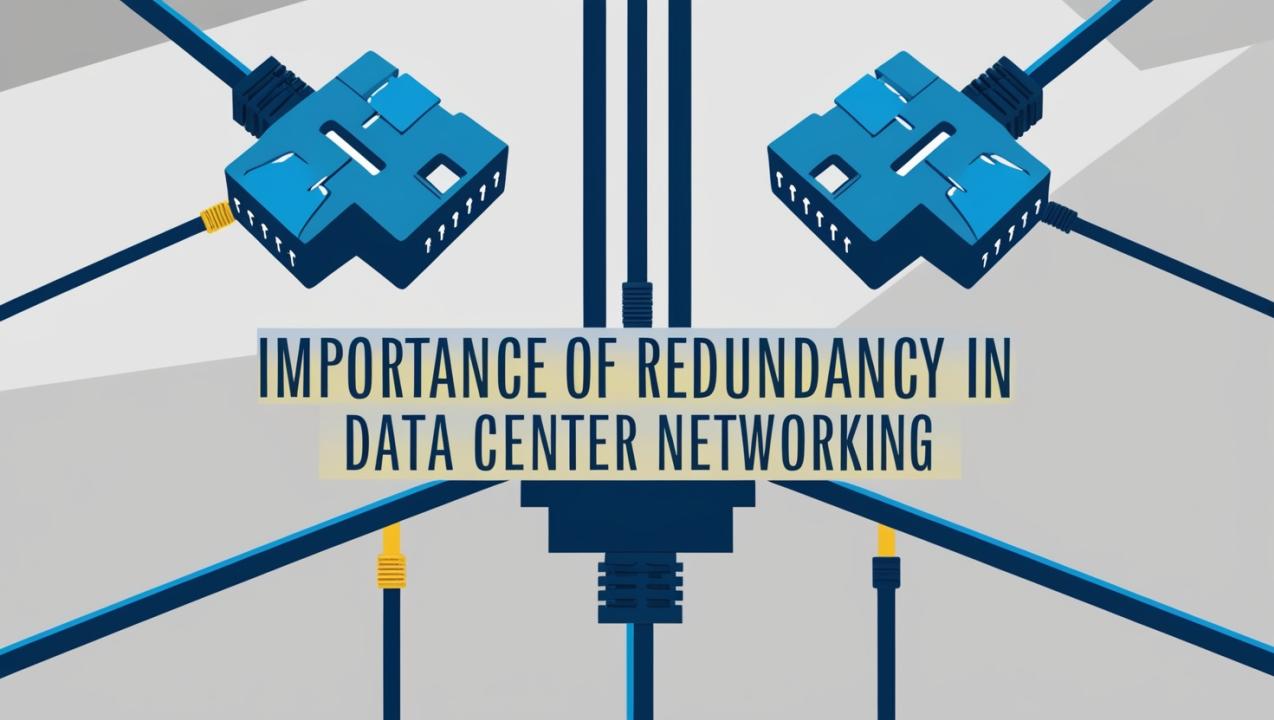
A single point of failure means if one thing breaks, the whole system stops working. Redundancy removes this risk. For example, instead of having just one switch or internet line, data centers use multiple. If one fails, the others take over, ensuring zero impact on the network.
Ways to Achieve Redundancy
Redundancy can be applied in many parts of the data center, including:
- Internet Connections: Multiple ISPs for seamless internet access.
- Power Supplies: Dual power sources for every server.
- Cooling Systems: Backup cooling units to prevent overheating.
- Data Storage: Replicating data in multiple locations for safety.
- Network Paths: Alternate routes for network traffic.
These setups make sure that operations continue without hiccups—even if something fails unexpectedly.
Conclusion
Redundancy is a vital feature in any data center environment. It helps prevent downtime, improves service availability, and protects against unexpected failures. Whether you're running a large-scale cloud platform or a private enterprise system, a redundant network infrastructure is your safety net.
If you’re aiming to build a solid career in this field, getting trained through a trusted CCIE Data Center Training program is a smart choice. It not only teaches you how to build these systems but also prepares you for real-world challenges. With CCIE Data Center expertise, you’ll be ready to design resilient, fault-tolerant networks that businesses can depend on.