
In the world of modern networking, especially when preparing for advanced certifications like CCIE Data Center Training, it’s important to understand the key building blocks that power today’s data centers. One of the most important of these is the fabric. While the term may sound technical, its concept is actually simple and incredibly useful.
So, what exactly is a fabric in data center networking? Let’s break it down in a way that’s easy to understand.
Understanding the Basics
In simple words, a fabric is a way to connect all devices inside a data center in a more efficient and organized manner. Think of it like a smart web where every connection is well-planned, fast, and reliable.
Imagine attending a group discussion. In a traditional setup, you might have to pass messages through several people before they reach the right person. In a fabric setup, everyone is directly connected, making communication much quicker and smoother.
This concept is a core topic in the CCIE Data Center Course, as it helps learners understand how large-scale networks function with speed and precision.
Why Fabric Matters in Data Centers
Today’s data centers handle tons of traffic – from websites, cloud platforms, financial systems, video streaming, and more. These operations need a network that can deliver data quickly, handle heavy loads, and keep services running smoothly.
This is exactly what a network fabric does:
- Speeds up data flow
- Improves network reliability
- Supports easy scaling
- Simplifies network management
Older network models used layers like access, distribution, and core, which were fine for smaller systems. But as networks grow, those models often become slow and difficult to manage. A fabric solves that by being faster and more flexible.
How Does a Fabric Work?
The most common design used in fabric networking today is the spine-leaf architecture.
What is Spine-Leaf?
- Leaf switches: Connect to servers, storage, and other devices
- Spine switches: Connect all the leaf switches together.
In this design, every leaf connects to every spine, ensuring multiple paths for data to travel. This prevents bottlenecks and increases reliability. If one path goes down, another is ready to take over.
This design is a key focus in the CCIE Data Center Certification because it's a real-world solution used by major data centers around the globe.
Key Benefits of Network Fabric
Here’s why fabric networking is gaining popularity in modern data centers:
1. High-Speed Performance
The fabric allows data to take the shortest and fastest route, reducing delay and improving speed.
2. Easily Scalable
Need to add more servers? No problem. With fabric, you can grow your network without a complete redesign.
3. Resilient and Reliable
Fabric networks are designed to keep running even if one switch or link fails. This ensures your services stay up and running.
4. Simpler Management
With modern management tools, you can control and monitor your entire fabric network from a single place, saving time and effort.
5. Supports Network Automation
Fabric networks work well with automation tools, which help IT teams deploy changes faster and reduce errors.
Technologies That Power Fabric
To build a fabric network, several modern technologies are used:
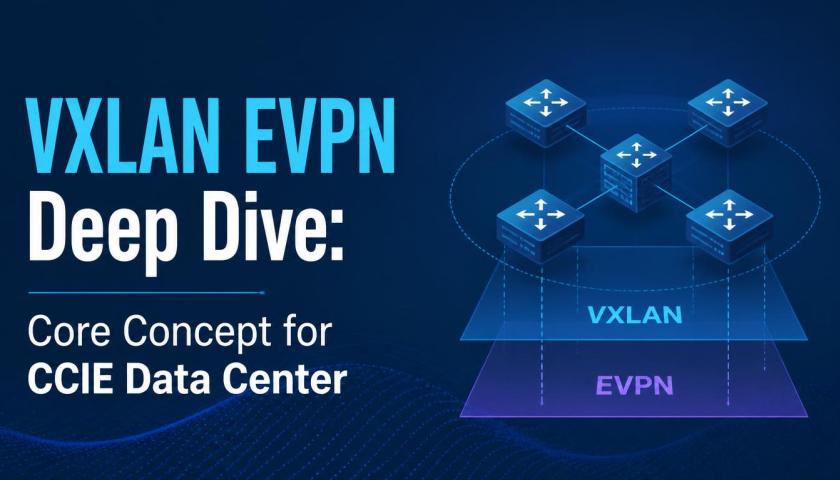
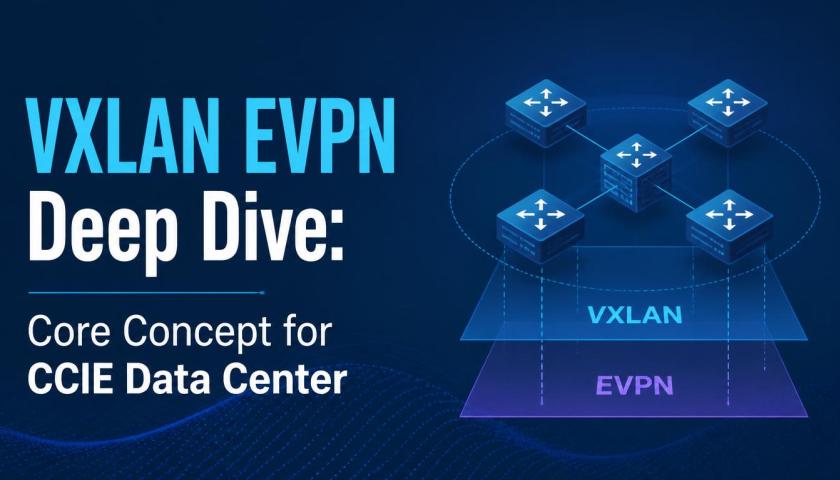
- VXLAN (Virtual Extensible LAN): Helps create virtual networks on top of the physical infrastructure.
- EVPN (Ethernet VPN): Works with VXLAN for routing and segmentation.
- SDN (Software Defined Networking): Separates control from hardware to make networks smarter and more flexible.
These technologies are all covered in depth in professional training programs like the CCIE Data Center Course, helping professionals build the skills needed for high-level jobs in networking.
A Real-World Example
Suppose you run a large e-commerce platform. Your website handles thousands of users every second. A traditional network might slow down during peak times. But with a fabric setup, your network can manage traffic smartly, avoid congestion, and offer your customers a smooth and fast experience.
Conclusion
In summary, a fabric in data center networking is like a smart, high-speed highway system for data. It connects devices efficiently, keeps things running even when something fails, and supports the future growth of your data center.
Understanding fabric networking is not just useful—it’s essential, especially if you're planning to pursue CCIE Data Center Certification or already enrolled in CCIE Data Center Training. As data centers continue to grow and evolve, mastering this concept will give you a strong foundation for a successful career in networking.