The way organizations connect their offices, users, and cloud services is changing rapidly. Relying on traditional WANs (Wide Area Networks) no longer meets the demands of modern applications, real-time services, and global teams. As IT infrastructures evolve, so does the need for smarter, faster, and more adaptable networking solutions. That’s where SD-WAN training plays a crucial role for those beginning their networking journey.
Understanding SD-WAN (Software-Defined WAN) is not just about learning a new tool—it’s about grasping how networks are managed in today’s cloud-first environment. For beginners, learning SD-WAN provides a solid foundation for understanding how data moves securely and efficiently across the internet and enterprise networks./
What Is SD-WAN and Why It Matters?
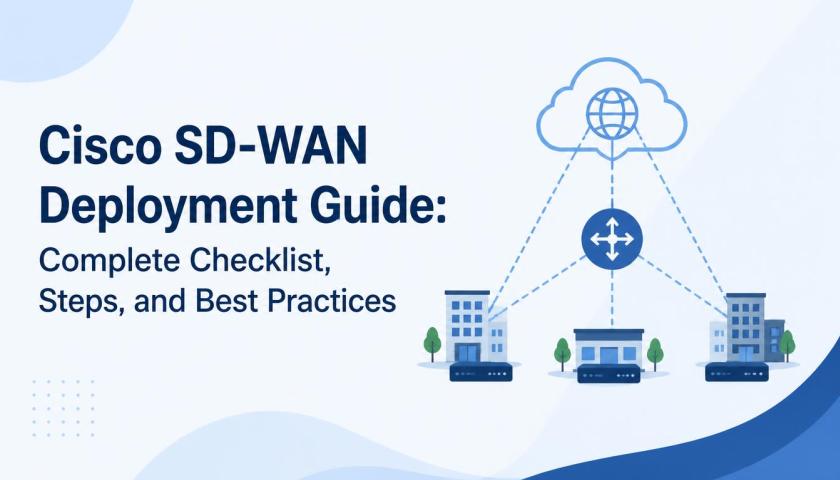
SD-WAN is a software-driven approach to managing wide area networks. Unlike traditional WANs that use fixed, expensive connections such as MPLS (Multiprotocol Label Switching), SD-WAN intelligently routes traffic using the best available path—whether it's broadband internet, LTE, or a private circuit.
The goal of SD-WAN is simple: improve application performance, enhance security, reduce costs, and give network administrators better control and visibility. These benefits are especially important when dealing with cloud-hosted applications like Microsoft 365, Salesforce, or Zoom, which are now central to most business operations.
The Shift from Traditional WANs to SD-WAN
Traditional WANs were designed at a time when most applications were hosted in a centralized data center. But in a world where users expect fast and direct access to cloud services from anywhere, that model is outdated.
SD-WAN addresses these limitations by enabling:
- Dynamic path selection based on application needs
- Centralized management from a single dashboard
- Better support for cloud and remote access
- Built-in encryption and security policies
This shift in technology has made SD-WAN a key area of focus for network engineers and IT professionals, especially those pursuing credentials like the Cisco SD-WAN certification.
Key Concepts Covered in SD-WAN Training
If you’re new to networking, SD-WAN might sound complex. But beginner-level SD-WAN training is designed to break down the core ideas in a structured, understandable way. Most courses and tutorials include:
- Networking Fundamentals - Understanding IP addressing, routing, and how traditional WANs function.
- What Makes SD-WAN Different – Learning how software-defined networking principles apply to wide area networks.
- SD-WAN Components – Overview of vEdge/vSmart routers, controllers, and orchestrators.
- Traffic Steering – How SD-WAN decides the best path for each type of application.
- Security and Encryption – Exploring how SD-WAN ensures secure data transfer.
- Monitoring and Troubleshooting – Tools and techniques to manage performance and diagnose issues.
These topics give beginners not just technical knowledge, but also the ability to understand how SD-WAN supports real business needs.
The Relevance of Cisco SD-WAN
Cisco is one of the leading vendors offering SD-WAN solutions. Their platform integrates routing, security, and analytics, making it a popular choice for enterprises. If you're looking to explore vendor-specific technologies in-depth, preparing for a Cisco SD-WAN certification can help you understand how SD-WAN is implemented in real-world environments.
This certification typically covers:
- SD-WAN architecture and components
- Policies and templates
- Control and data plane operations
- Troubleshooting methods
While not essential at the beginner stage, understanding the Cisco approach provides context for how SD-WAN is applied in large-scale networks.
Moving from Training to Certification
After gaining foundational knowledge, many learners continue their journey with structured programs that offer hands-on labs and real-world scenarios. A formal SD-WAN course helps reinforce learning with guided examples and configurations. As learners grow more confident, they often consider taking a SD-WAN certification exam to validate their skills.
This path is especially beneficial for IT professionals aiming to work in network administration, cloud infrastructure, or security roles.
Conclusion
SD-WAN is not just a buzzword—it's a significant shift in how networks are designed and managed. For beginners, learning SD-WAN provides insights into the future of enterprise networking. With the growing reliance on cloud applications, flexible connectivity, and remote access, understanding SD-WAN is more relevant than ever.
Whether you start with basic tutorials or dive into a structured SD-WAN course, building this knowledge can prepare you for more advanced topics and roles. Over time, pursuing an SD-WAN certification, such as the Cisco SD-WAN certification, can further enhance your understanding and job readiness.
Grasping the essentials today helps you stay ahead in tomorrow’s networked world.