Introduction: A New Path to the Peaks
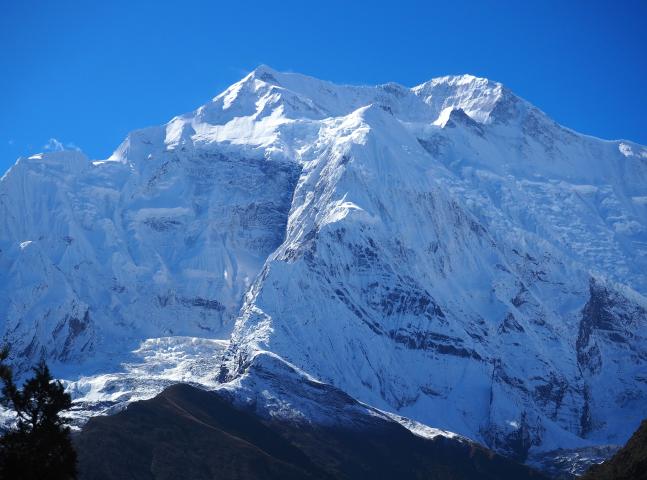
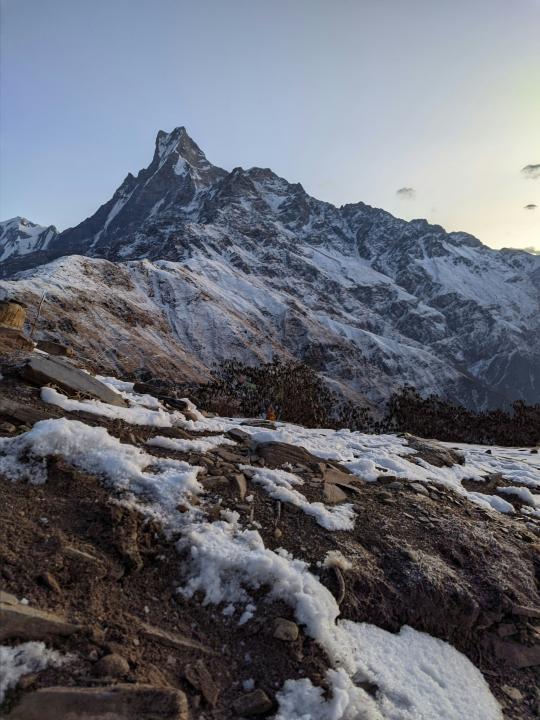
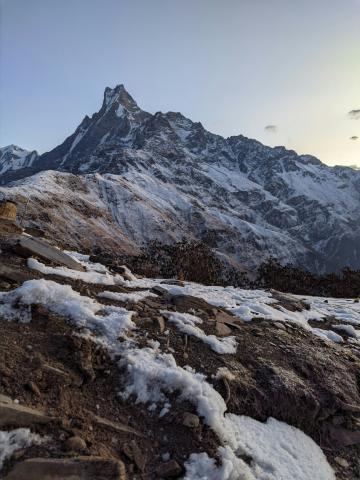
The Mardi Himal trek is one of the lesser-known but most rewarding treks in Nepal. It leads to the base of Mardi Himal (5,587 meters), a striking peak that rises beside the mighty Machapuchare, also known as the Fishtail. Though Mardi Himal was first climbed in 1961, the trekking route remained untouched by crowds until it opened officially in 2012. Since then, it has become a favorite for hikers looking for quiet trails, stunning mountain views, and a deep connection with nature.
Trek Overview: Short, Scenic, and Serene
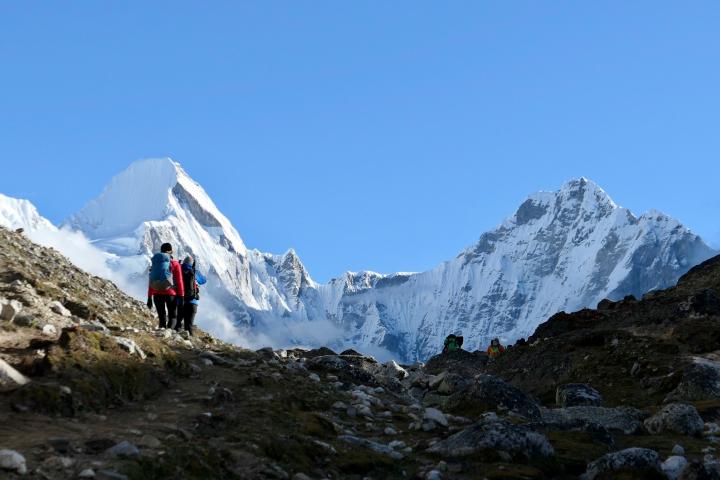
The Mardi Himal trek typically takes 5 to 7 days, covering about 50 kilometers round trip. The journey begins from Kande or Phedi, close to the city of Pokhara. The highest point of the trek is Mardi Himal Base Camp at 4,500 meters (14,763 feet). What makes this trail special is how quickly you go from forested hills to open ridges, all while walking under the shadow of towering peaks.
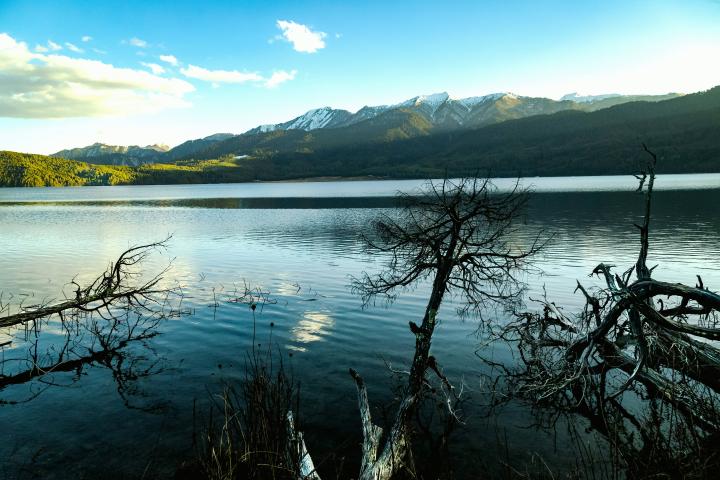
Each day brings a change in scenery—from oak and rhododendron forests to wide meadows and rugged paths. The trail is well-marked and dotted with small teahouses offering simple meals and warm beds.
Key Highlights of the Trek
Forest Camp (2,550m): A peaceful stop nestled in deep woods.
Low Camp (2,990m): Offers the first wide views of the surrounding mountains.
High Camp (3,580m): A great place for sunrise and sunset views.
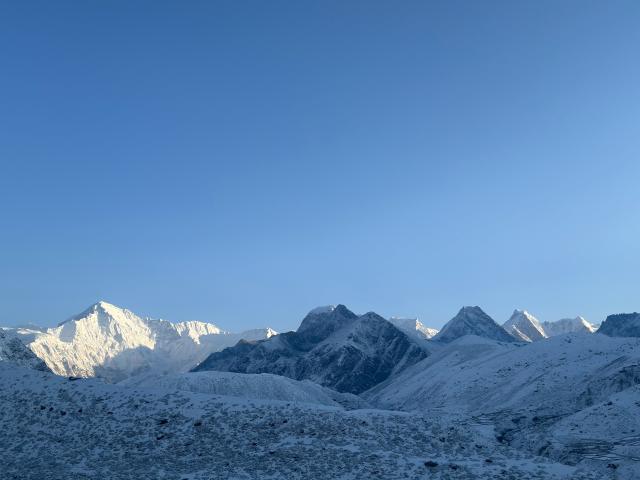
Mardi Himal Base Camp (4,500m): The ultimate viewpoint, facing Annapurna South, Hiunchuli, and Machapuchare up close.
What Makes Mardi Himal Trek Unique
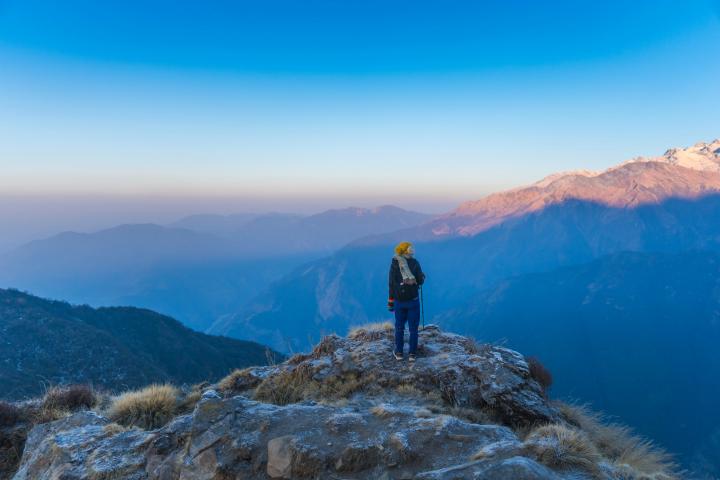
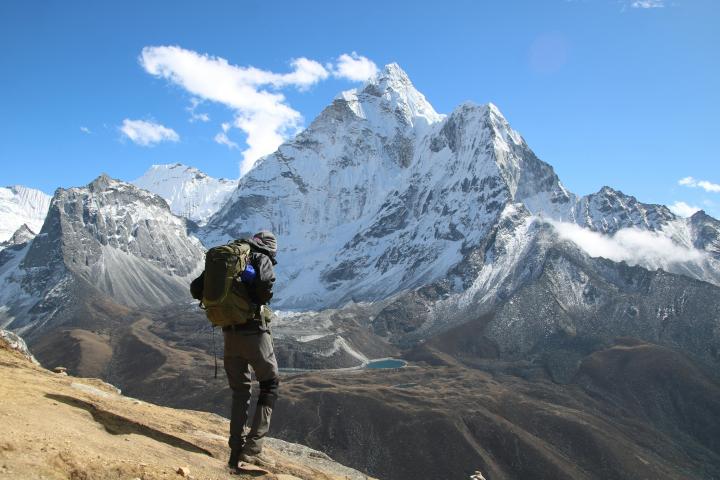
Unlike more popular trails like Annapurna Base Camp or Everest, the Mardi Himal trek is quiet and unspoiled. You often walk for hours hearing nothing but the wind and birds. This silence gives the trek a meditative rhythm. The ridgeline walk from High Camp to Base Camp is especially thrilling. With deep valleys on both sides and snow-covered peaks ahead, it feels like walking on the spine of the earth—a rare and whimsical experience.
Weather and Best Seasons
Spring (March to May) and autumn (September to November) are ideal for clear skies and blooming flowers. In spring, the rhododendron forests turn bright red and pink. In autumn, the air is crisp, and the mountain views stretch endlessly.
Local Culture and Warm Hospitality
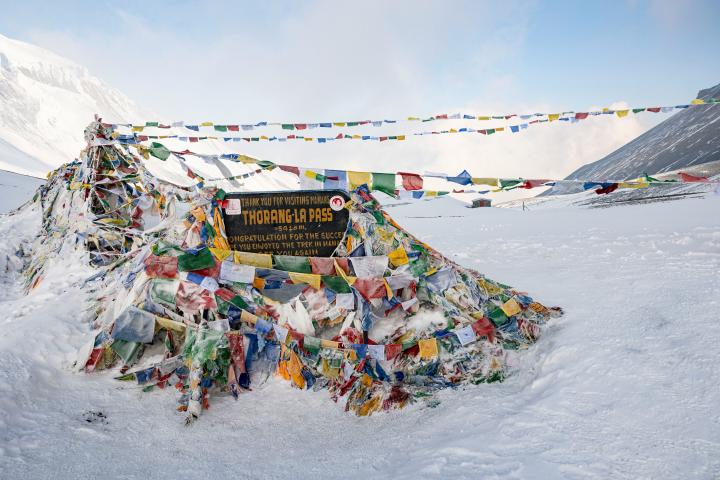
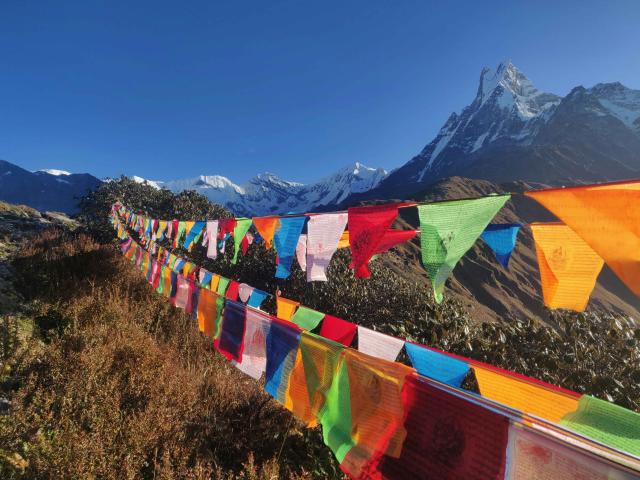
The trail passes through villages inhabited by Gurung and Magar communities. These mountain people are known for their friendliness and deep respect for nature. You’ll find prayer flags fluttering, local dishes cooking over open fires, and stories shared with warm smiles. Though simple, their hospitality adds heart to the journey.
Safety and Altitude
The moderate altitude of the Mardi Himal trek makes it safer than higher routes. Still, altitude sickness can occur above 3,000 meters, so it's wise to walk slowly and stay hydrated. Rest days are not usually needed, but listening to your body is important.
Conclusion: More Than Just a Trek
The Mardi Himal trek is not just about reaching a base camp. It’s about walking where the air feels lighter, the views feel closer, and time moves slower. For anyone seeking a quiet yet powerful Himalayan experience, this trail is a perfect choice. It may be short in days, but it leaves a long-lasting memory in your soul.