
Launching a startup is an thrilling endeavor, but it's also fraught with challenges. Many aspiring entrepreneurs underestimate the difficulties they'll face, leading to early setbacks or even failure. However, by understanding these common hurdles and strategically preparing for them, you can significantly increase your chances of success.
1. Securing Sufficient Funding
The Challenge: One of the most significant obstacles for any new business is securing enough capital to get off the ground and sustain operations. Many startups run out of cash before they achieve profitability, a phenomenon often called "runway depletion." This can be due to underestimating costs, overestimating revenue, or simply not having access to the right investors.
How to Overcome It:
Detailed Financial Planning: Develop a comprehensive financial model that accurately projects your startup costs, operational expenses, and revenue streams. Be realistic and conservative in your estimates.
Diversify Funding Sources: Don't put all your eggs in one basket. Explore various funding options like angel investors, venture capital, crowdfunding platforms, government grants, and even bootstrapping (self-funding).
Build Strong Investor Relationships: Network continuously and refine your pitch deck. Investors fund people as much as ideas, so demonstrating a strong team and clear vision is crucial.
Manage Burn Rate: Keep a close eye on your spending. Prioritize essential expenditures and defer non-critical ones. The longer you can make your initial capital last, the more time you have to achieve product-market fit and generate revenue.
2. Achieving Product-Market Fit (PMF)
The Challenge: Many startups build a product or service they believe is groundbreaking, only to find that it doesn't resonate with their target audience. This lack of product-market fit means there isn't a strong demand for what they're offering, making sustained growth impossible.
How to Overcome It:
Customer-Centric Approach: From day one, focus on understanding your potential customers' needs and pain points. Conduct thorough market research, surveys, and interviews.
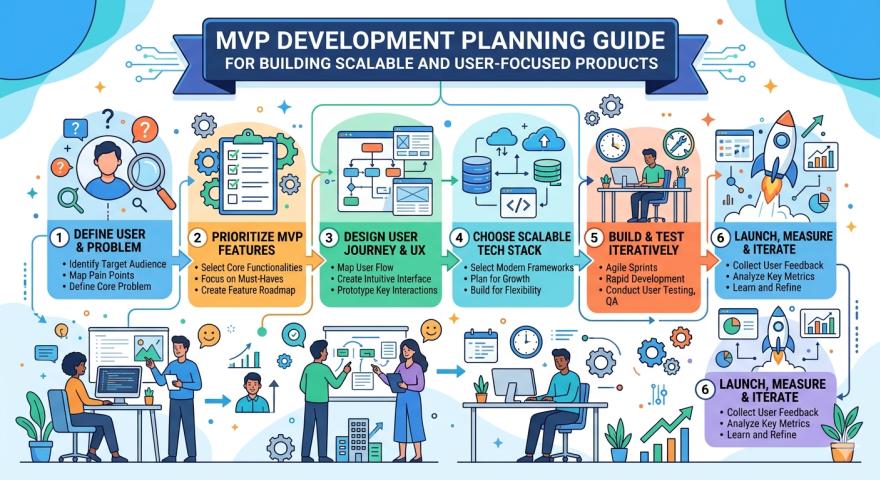
Minimum Viable Product (MVP): Launch an MVP quickly to gather real-world feedback. An MVP has just enough features to be usable by early customers who can then provide input for future development.
Iterate and Pivot: Be prepared to iterate on your product based on feedback. Don't be afraid to pivot your strategy if initial market reception indicates a different direction is needed. Flexibility is key.
Continuous Feedback Loop: Establish channels for ongoing customer feedback. Tools like surveys, user testing, and direct communication can provide invaluable insights for refinement.
3. Building a Strong and Cohesive Team
The Challenge: A startup's success heavily relies on the strength and synergy of its team. Finding individuals with the right skills, experience, and cultural fit can be incredibly difficult, especially in the early stages when resources are limited. High employee turnover can cripple a nascent company.
How to Overcome It:
Define Roles Clearly: Clearly outline the skills and experience needed for each role. This helps in attracting the right talent and avoiding redundancy.
Prioritize Cultural Fit: Beyond skills, look for individuals who align with your company's values and culture. A cohesive team works more effectively and is more resilient to challenges.
Offer Incentives: While cash compensation might be limited, consider offering equity, flexible working arrangements, and a compelling vision to attract top talent.
Foster a Positive Work Environment: Promote open communication, provide opportunities for growth, and recognize achievements. A supportive and engaging environment reduces turnover.
Lead by Example: As a founder, your passion and dedication are infectious. Inspire your team and empower them to take ownership.
4. Marketing and Customer Acquisition
The Challenge: Even with a great product and a solid team, many startups struggle to reach their target audience and acquire customers efficiently. The vast and competitive digital landscape makes it challenging to cut through the noise and stand out.
How to Overcome It:
Understand Your Target Audience: Deeply understand who your ideal customer is, where they spend their time online, and what messages resonate with them.
Develop a Clear Value Proposition: Articulate what makes your product unique and how it solves customer problems better than alternatives.
Multi-Channel Marketing Strategy: Don't rely on a single marketing channel. Explore a mix of content marketing, social media marketing, search engine optimization (SEO), paid advertising, email marketing, and public relations.
Measure and Optimize: Track your marketing efforts diligently. Use analytics to understand what's working and what isn't, and then optimize your campaigns for better results.
Leverage Early Adopters: Encourage your first customers to become advocates. Word-of-mouth marketing and referrals can be incredibly powerful for startups.
5. Managing Growth and Scalability
The Challenge: Ironically, success can also present a significant challenge. Rapid growth can strain resources, processes, and even your team if not managed effectively. Scaling too quickly without the right infrastructure can lead to operational inefficiencies, customer dissatisfaction, and burnout.
How to Overcome It:
Build Scalable Systems: From the outset, design your processes, technology, and organizational structure with scalability in mind. Automate where possible.
Invest in Infrastructure: As you grow, invest in the necessary tools, software, and physical infrastructure to support increased demand.
Hire Ahead of the Curve: Anticipate your staffing needs and begin recruiting before you're overwhelmed. Onboard new hires efficiently to maintain productivity.
Maintain Quality: As you scale, it's crucial not to compromise on the quality of your product or customer service. Consistent quality builds trust and loyalty.
Delegate Effectively: As a founder, you can't do everything. Learn to delegate tasks and empower your team members. Trust them to take on more responsibility.
While the journey of a startup is undeniably challenging, each obstacle presents an opportunity for learning and innovation. By proactively addressing these common difficulties with strategic planning, adaptability, and a relentless focus on your customers and team, you can navigate the turbulent waters of entrepreneurship and build a thriving business.