
Lean process improvement is more than a buzzword—it's a systematic method for identifying and eliminating waste in business operations. Originally rooted in manufacturing, the lean methodology has evolved into a versatile framework used across industries, from healthcare to finance to logistics.
Understanding Waste
Lean identifies seven types of waste (or "muda" in Japanese): overproduction, waiting, transport, extra processing, inventory, motion, and defects. Recognizing these inefficiencies is the first step in optimizing a process. For example, excessive email chains, redundant approvals, or idle machines can all contribute to hidden costs and lost time.
Value Stream Mapping
One of the core tools of lean improvement is value stream mapping (VSM). This visual tool helps organizations map out every step in a process, from start to finish, and analyze where time, resources, or materials are being wasted. By involving frontline employees, companies often discover simple fixes that create significant improvements.
Kaizen: Continuous Improvement
Lean encourages a culture of Kaizen, or continuous improvement. This mindset empowers employees at all levels to suggest small, incremental changes rather than waiting for top-down reforms. Over time, this builds a more agile and responsive organization.
Benefits Beyond Cost Reduction
While cutting costs is a common outcome, lean process improvement also enhances customer satisfaction, improves employee engagement, and reduces cycle times. By focusing on delivering value and eliminating what doesn’t contribute to it, businesses can become more resilient and competitive.
Getting Started
Implementing lean doesn’t require a complete overhaul. Start by selecting one process to analyze—something manageable but meaningful. This could be anything from a procurement workflow to an internal reporting routine. The key is to choose a process that directly affects performance or customer experience but is small enough to allow for quick experimentation.
Engage the people who are closest to the work. Their insight is critical, as they often know where delays, redundancies, or frustrations occur—but may have never been asked for input. Assemble a small team to map out the current process step by step, either using sticky notes on a whiteboard or digital tools like Lucidchart or Miro.
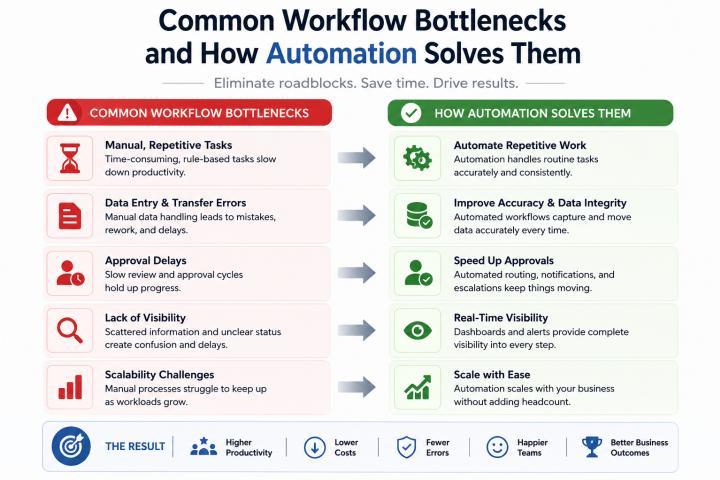
Once the current state is mapped, identify areas of waste or bottlenecks. Ask questions like: Are there steps that don't add value? Is anyone waiting on approvals that slow things down? Is there unnecessary duplication of tasks?
From there, propose small, testable changes. For example, you might eliminate a manual data entry step by integrating software tools, or reduce approval layers for low-risk decisions. Track the results using metrics like turnaround time, error rates, or employee feedback.
Finally, communicate the results, both successes and lessons learned, to encourage broader engagement. When people see that improvement efforts are practical and welcomed, it becomes easier to scale lean thinking across other departments and functions. Starting small, with focused efforts and real involvement, is often the most effective way to drive sustainable change.