Facility operations depend on one core element many teams overlook: documentation. Whether it's a simple floor plan or a detailed mechanical system schematic, documents fuel decisions and actions. But when that information is difficult to access, stored inconsistently, or simply out of date, even routine tasks become time-consuming. That's why many facilities are replacing scattered files and dusty binders with purpose-built document management software.
The Problem with Traditional Documentation Methods
In many organizations, vital building data is still kept in physical form—blueprints rolled into tubes, manufacturer manuals stacked on shelves, or emergency exit routes printed and taped to doors. While this might have worked decades ago, today’s buildings are more complex, and facility demands are faster and more dynamic.
Without a centralized documentation system, teams often face:
-
Delays in finding asset or equipment specs
-
Inability to confirm maintenance history during audits
-
Limited visibility into outdated or duplicate files
-
Missed safety procedures due to inaccessible information
The result? Time wasted, risks increased, and operational inefficiencies that snowball.
What Document Management Software Actually Does
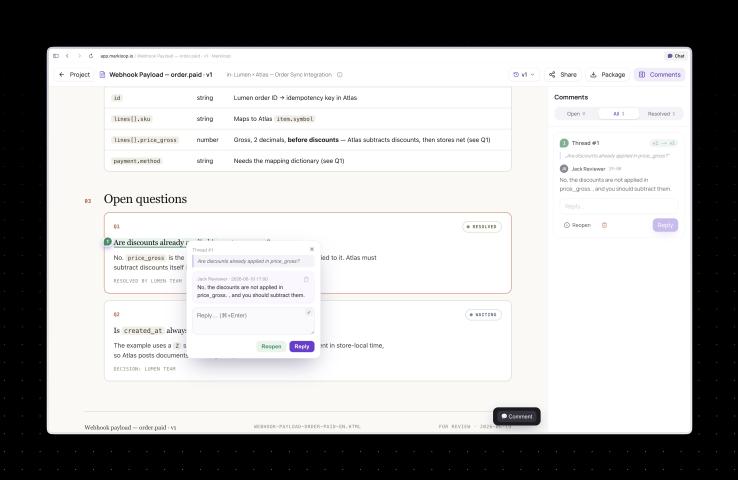
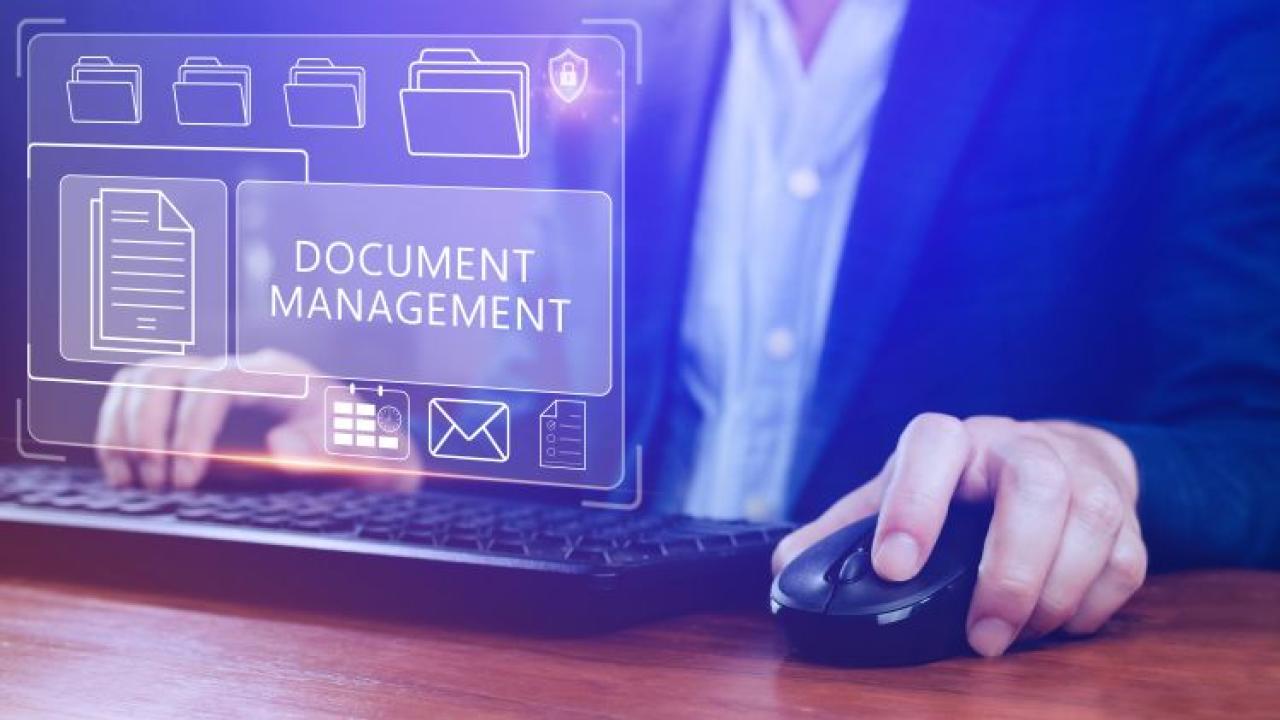
Document management software offers a centralized, searchable system that organizes and stores all facility-related files in one place. But it’s not just a filing system—it’s an operational tool that supports real-time decision-making and improves communication across teams.
Some of the key advantages include:
-
Fast search and retrieval of any document, blueprint, or manual
-
Mobile access for technicians working in the field
-
Version control, so teams always use the most current document
-
Role-based permissions, improving security and collaboration
-
Structured organization by building, floor, asset, or category
The platform becomes the foundation for all document-related activity across the facility.
Operation and Maintenance Manual: A High-Value Resource
Among all documents, the Operation and Maintenance Manual stands out. It’s typically created at the end of a construction project and includes essential information for managing and maintaining systems over time.
An O&M Manual may contain:
-
Manufacturer instructions and equipment specs
-
Recommended service schedules
-
Troubleshooting guides
-
Warranty and part information
-
Safety and shutdown procedures
Despite its value, many organizations treat the O&M Manual as a formality—filed away and rarely used. But when stored digitally and integrated with document management software, it becomes an everyday resource that informs everything from repair work to capital planning.
On-the-Go Access Empowers Technicians
Field technicians spend their days moving through various buildings, rooftops, basements, and utility rooms. Requiring them to return to a desktop or office to look up documentation adds unnecessary time and effort.
With mobile-friendly document management platforms, technicians can:
-
Search for specific documents by keyword or location
-
View diagrams or manuals on their phone or tablet
-
Upload notes or updates in real time
-
Access the O&M Manual while performing scheduled tasks
This kind of functionality increases productivity and reduces the number of return visits or errors caused by lack of information.
Enhancing Safety and Compliance
Documentation isn’t just about convenience—it’s a critical component of compliance and safety. Whether preparing for a fire marshal inspection or responding to a hazardous material leak, fast access to accurate documents matters.
Document management software helps teams:
-
Maintain up-to-date compliance records
-
Store inspection certificates and permits
-
Access emergency response plans instantly
-
Prove that maintenance was performed on schedule
By organizing and digitizing this information, facilities can avoid penalties, reduce liability, and respond more effectively in emergencies.
Building Institutional Memory
Turnover is common in facility management, and often, valuable building knowledge exits with retiring staff. Without a system in place to preserve this knowledge, new hires are left guessing.
A robust document management solution ensures continuity by:
-
Preserving historical documentation
-
Capturing service notes and changes over time
-
Creating a shared resource for training and reference
-
Reducing reliance on individual memory
Over time, this builds a stronger, more resilient team that can perform consistently, regardless of staffing changes.
Conclusion: Documentation as a Strategic Asset
Facility management is evolving, and information is at the center of that evolution. Buildings are becoming smarter, but if the information behind them remains outdated or disorganized, the potential for efficiency and safety is lost.
By implementing document management software, facility teams can take control of their data, maximize the usefulness of the Operation and Maintenance Manual, and create a more agile, informed, and future-ready operation.
ARC Facilities helps modernize facility operations by providing mobile access to critical documents—including Operation and Maintenance Manuals—so teams can act faster and work smarter, without disrupting current workflows.