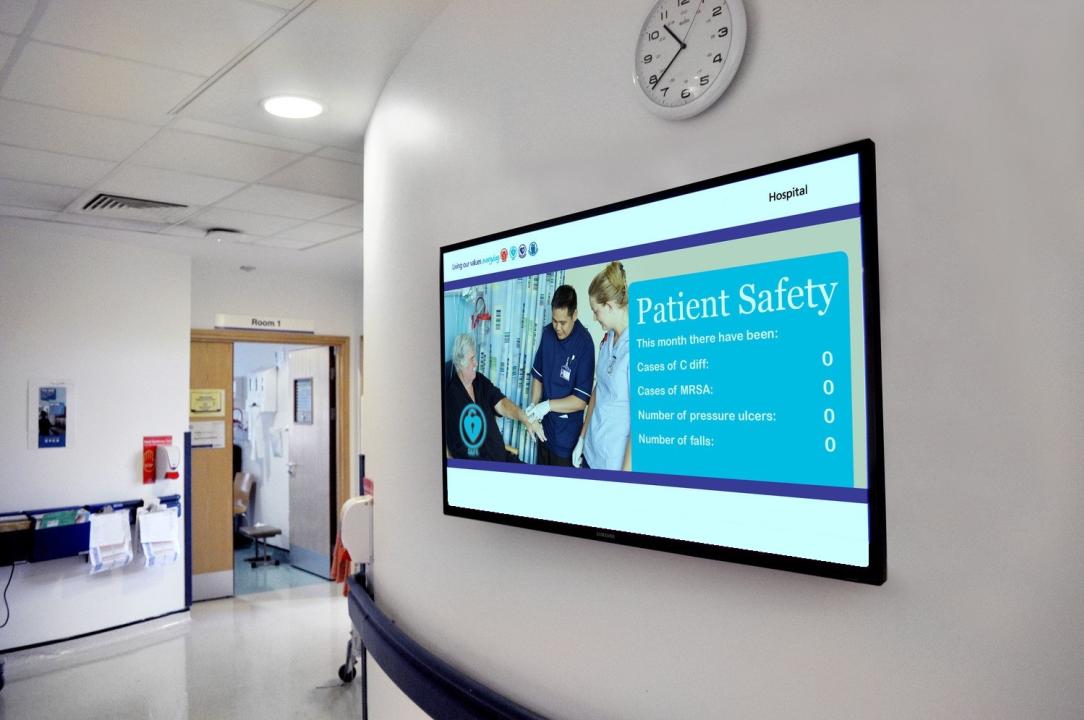
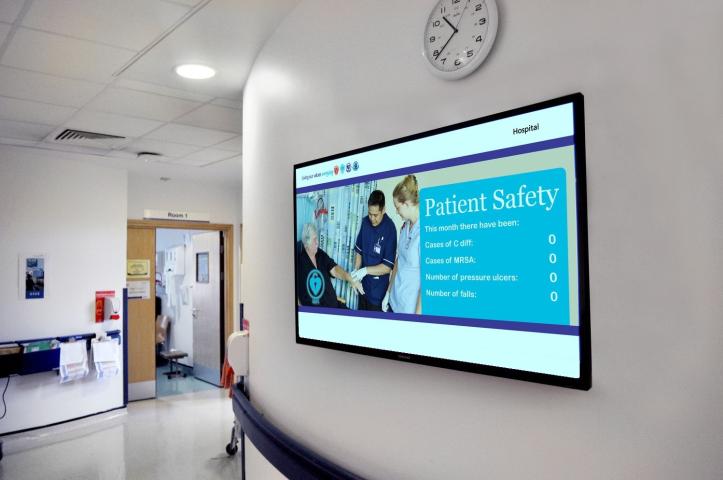
Healthcare digital signage is rapidly transforming how medical facilities communicate, educate, and engage with patients and staff. These dynamic digital displays enable hospitals, clinics, and care centers to share real-time information, provide wayfinding assistance, deliver health education, and promote wellness initiatives all while improving operational workflows. As healthcare providers adopt smarter, AI-enabled signage technologies, the user experience is becoming more personalized, accessible, and effective in 2025.
According to Straits Research, the global healthcare digital signage sector was valued at USD 7,512.86 million in 2024 and is projected to grow from USD 8,795.71 million in 2025 to reach USD 19,702.78 million by 2033, exhibiting a compound annual growth rate (CAGR) of 10.61% during the forecast period (2025–2033).
Emerging Trends and Innovations in Healthcare Digital Signage
-
AI-Powered Personalization and Content Automation: Artificial intelligence algorithms analyze patient flow, demographics, and time-of-day patterns to deliver tailored content, ranging from appointment reminders to targeted health education. Automated content scheduling reduces manual updates and ensures information remains current and relevant.
-
Interactive Wayfinding and Navigation: With sprawling healthcare campuses, digital signage paired with mobile apps provides intuitive indoor navigation. Touchscreen kiosks and QR code-enabled screens guide patients and visitors to appointments, departments, and amenities, reducing confusion and improving satisfaction.
-
Integration with Electronic Health Records (EHR) and Patient Engagement Systems: Digital signage connects with EHR systems to display personalized patient information securely such as wait times, doctor availability, and health alerts empowering patients with timely access to their care journey updates.
-
Telehealth and Virtual Care Displays: Dedicated digital screens in waiting areas and patient rooms facilitate telemedicine consultations and provide health tips, enabling remote healthcare delivery with visual and interactive support.
-
Sustainability-Focused Displays: Energy-efficient LCD and OLED screens with automatic brightness adjustment and remote management reduce power consumption and carbon footprints, aligning with healthcare organizations’ green initiatives.
-
Multilingual and Accessibility Features: To serve diverse patient populations, healthcare signage supports multiple languages and complies with accessibility standards such as the Americans with Disabilities Act (ADA), including options for audio prompts and high-contrast displays.
Country-Specific Updates and Leading Industry Players
-
United States: The US leads with rapid adoption of integrated healthcare digital signage, driven by technology firms such as Daktronics, NEC Display Solutions, and Spectrio, which offer comprehensive digital signage ecosystems. Hospitals prioritize AI-driven content management systems and personalized patient communication. Tariffs on electronic components have prompted some providers to diversify suppliers and localize manufacturing to mitigate cost impacts and supply chain disruptions.
-
Europe: European providers like Barco (Belgium), Philips Healthcare (Netherlands), and Raydiant (UK) focus on regulatory compliance, energy efficiency, and privacy adherence. European healthcare facilities emphasize digital signage for clinical workflow support, patient education, and multilingual communication, reflecting the continent’s demographic diversity.
-
China: China's fast-growing healthcare sector incorporates digital signage across public hospitals and private clinics, with providers such as Infiled and Leyard innovating in interactive display technologies and AI analytics. Government initiatives to digitize healthcare accelerate investments in signage linked to telemedicine and patient flow management.
-
India: India is rapidly expanding adoption as hospitals modernize infrastructure. Startups like Fugo.ai are gaining traction with scalable cloud-based signage solutions tailored to local needs, including regional language support and cost-effective hardware.
-
Japan and South Korea: Japan’s Sharp Corporation and South Korea's Samsung Electronics integrate digital signage with smart hospital solutions, emphasizing compact form factors, patient monitoring displays, and robotics integration for patient assistance.
Impact of Global Tariffs on Healthcare Digital Signage Industry
The healthcare digital signage sector faces challenges from global tariffs primarily targeting semiconductors, display panels, and related electronic components. Since 2024, tariffs imposed between major economies such as the US and China have led to increased component costs, supply delays, and price adjustments for digital signage manufacturers. Many companies are strategically diversifying their supplier bases and accelerating local production capabilities to reduce tariff exposure. Investments in energy-efficient and longer-lasting display technologies help offset rising hardware expenses. Governments in key markets advocate for enhanced domestic electronics manufacturing, which is expected to bolster long-term industry resilience and innovation despite short-term inflationary pressures.
Recent Industry News and Developments
-
In early 2025, Daktronics launched a new AI-integrated signage platform enabling dynamic patient engagement and operational analytics in hospital lobbies.
-
NEC Display Solutions unveiled ultra-high-definition interactive wayfinding kiosks optimized for multilingual support and accessible interfaces in healthcare environments.
-
Barco expanded its portfolio of clinical-grade visualization displays, integrating real-time patient monitoring with digital signage content delivery.
-
Fugo.ai secured contracts with several Indian hospital groups to deploy cloud-managed signage networks enhancing patient updates and infection control messaging.
-
Increased collaboration between digital signage providers and telehealth platforms is enabling in-room virtual care solutions with synchronized real-time content.
-
Several European hospitals are rolling out energy-saving digital display programs aligned with the EU Green Deal, adopting smart brightness and remote management technologies.
Outlook and Future Directions
Healthcare digital signage is poised for rapid growth through 2033, driven by technological innovation, rising demand for personalized patient experience, and operational efficiency improvements. AI and machine learning will enable increasingly dynamic and context-aware content delivery tailored to individual patients and staff needs. Integration with healthcare IT systems will deepen, enabling seamless communication from administrative notifications to clinical alerts. Expansion in emerging markets through cloud-based solutions and affordable hardware will democratize advanced signage capabilities. Sustainability and accessibility will remain central to product design and deployment. Despite tariff-related supply challenges, robust strategies focused on supply chain diversification and localization are positioning the healthcare digital signage industry for sustainable global expansion.
Summary
Healthcare digital signage is revolutionizing patient engagement and operational workflows through AI-driven personalization, interactive wayfinding, and seamless integration with clinical systems. Despite challenges posed by global tariffs on electronic components, innovation and localized strategies are fueling strong worldwide growth. The future promises smarter, more accessible digital communication platforms that enhance healthcare delivery and experience.