
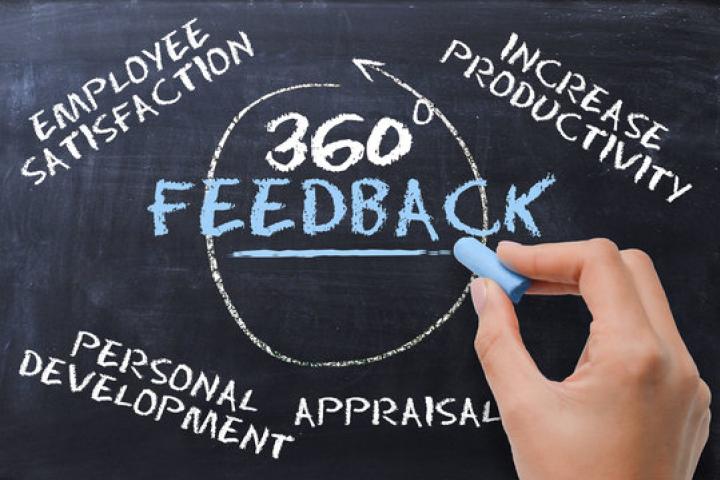
360-degree feedback software is revolutionizing performance management by enabling comprehensive, multi-source evaluations of employees’ skills, behaviors, and impact. Harnessing insights from peers, supervisors, direct reports, and sometimes customers, this software enhances personal development, fosters transparency, and drives organizational success. In 2025, the integration of AI, automation, and advanced analytics is empowering companies to unlock richer insights and streamline feedback processes globally.
According to Straits Research, the global 360-degree feedback software sector is estimated to be worth USD 1,094.99 billion in 2024 and is projected to grow from USD 1,202.30 billion in 2025 to USD 2,539.99 billion by 2033, registering a compound annual growth rate (CAGR) of 9.8% during the forecast period (2025–2033).
Emerging Trends and Innovations in 360-Degree Feedback Software
-
AI-Powered Feedback and Insights: Artificial intelligence is transforming traditional 360-degree feedback by automating data analysis, generating sentiment assessments, and offering actionable recommendations. AI-driven interview simulations and narrative summarization reveal root causes and development areas more precisely than ever before.
-
Real-Time and Continuous Feedback: Modern platforms support ongoing feedback cycles rather than one-time annual reviews, enabling a culture of continuous growth and agility. Real-time dashboards and mobile-friendly interfaces help employees track progress and adjust behaviors promptly.
-
Customization and Scalability: Solutions are increasingly configurable to align with specific organizational roles, competencies, and culture. They scale effortlessly from small businesses to large enterprises and support multi-lingual, global teams with localized compliance.
-
Integration with HR and Performance Systems: Advanced 360 platforms seamlessly connect with HRIS, payroll, talent management, and learning management systems. This ecosystem approach streamlines data flow, reduces administrative burden, and enhances holistic talent development.
-
Enhanced Data Privacy and Anonymity: To maximize candidness while complying with data protection laws such as GDPR and CCPA, software vendors emphasize anonymized reporting, granular access controls, and secure data storage. Transparent privacy features build trust among raters and recipients alike.
Country-Wise Developments and Key Players
-
United States: The US remains an innovation epicenter with leaders such as Qualtrics, Culture Amp, PerformYard, and SurveySparrow offering powerful AI-enabled 360 feedback platforms tailored to mid-sized and enterprise clients. Adoption surges primarily in technology, finance, and healthcare sectors. Companies are investing in ethical AI to minimize bias and enhance fairness. Despite global tariffs impacting cloud infrastructure and semiconductor costs, vendors adopt diversified data center strategies and invest in domestic cloud regions to maintain service quality.
-
Europe: European firms emphasize compliance and customization in countries like Germany, the UK, and France. Vendors such as Sage, Lattice, and SurveyMonkey prioritize GDPR-compliant feedback features and robust multilingual support. Cross-border enterprises benefit from unified, modular platforms facilitating consistent performance standards. European organizations increasingly prioritize employee development aligned with sustainability and diversity goals through continuous feedback.
-
China: China’s rapid digital transformation accelerates adoption of 360-degree feedback software, led by domestic innovators such as GrowingIO and Zhongzhi Talent integrating AI-powered performance diagnostics and real-time coaching. Regulatory encouragement for talent development supports investment. Tariffs have led companies to localize cloud infrastructure and R&D to reduce import dependence and latency.
-
India: The growing startup ecosystem in India champions affordable, scalable 360 feedback solutions like Engagedly, MoEngage, and Keka tailored for diverse industries ranging from IT services to manufacturing. Focus on employee engagement and workforce analytics is rising amid increasing HR digitalization. India is emerging as both a user and developer of feedback technology, supported by government digital initiatives and corporate upskilling programs.
-
Japan and South Korea: Corporate cultures in these countries favor precision and structured feedback. Players like Workday Japan, Qualtrics Asia, and local providers offer integrations with regional HR standards and emphasize secure, culturally aligned user experiences. Demand grows in automotive, electronics, and finance sectors seeking continuous talent development.
Impact of Global Tariffs on 360-Degree Feedback Software
While the 360-degree feedback software business is predominantly digital, it is indirectly affected by global tariffs, especially those imposed since 2024 on semiconductors, cloud computing hardware, and networking equipment critical to data center operations. Increased costs for cloud infrastructure and server hardware impact software providers hosting large-scale data processing and storage facilities. To mitigate these pressures, many vendors are diversifying hardware vendors, expanding domestic cloud regions, and optimizing software resource consumption to reduce dependencies on tariff-influenced imports. Governments in North America, Europe, and Asia promote cloud sovereignty and local data compliance to further encourage vendor localization and improve latency. Overall, while tariff impacts add cost and supply-chain complexity in the near term, they also spur innovation and foster resilient, regionally distributed software deployment strategies.
Recent News and Industry Developments
-
TheySaid launched an AI-driven 360 tool offering dynamic question adaptation and conversational AI interviews that deepen insights beyond quantitative scores.
-
Qualtrics enhanced its Experience Management Suite with sentiment analytics and benchmarking capabilities that help identify organizational trends and skill gaps.
-
PerformYard introduced unlimited human customer support and live training tailored for complex feedback programs, improving user adoption and feedback quality.
-
SurveySparrow unveiled kiosk and offline modes to enable feedback collection in remote or non-digital environments, expanding applicability in field operations.
-
Indian platform Engagedly reported rapid adoption due to integrated gamification and learning management system tie-ins, boosting employee participation.
-
European firms expanded GDPR-compliant, multilingual support and incorporated sustainability performance metrics within feedback cycles.
Outlook and Future Directions
360-degree feedback software is on a robust growth trajectory supported by evolving organizational priorities toward continuous performance improvement, fairness, and employee empowerment. AI and machine learning will further enhance personalized coaching and bias detection. Integration with emerging talent experience platforms, virtual reality onboarding, and remote workforce management tools will deepen. Expanding adoption in emerging economies will fuel global penetration, supported by cloud scalability and affordable pricing tiers. Innovations in data privacy protocols and ethical AI practices will sustain user trust and regulatory compliance. As tariffs and geopolitical complexities moderate over time, the sector is expected to mature with broader ecosystem integration—helping organizations build agile, performance-driven cultures across borders.
Summary
360-degree feedback software is redefining employee development by enabling continuous, AI-enhanced, multi-source evaluations across global organizations. Despite indirect challenges from tariffs affecting cloud infrastructure costs, innovation and localization strategies drive strong growth worldwide. The future promises more personalized, integrated, and ethical feedback solutions empowering performance and engagement at scale.