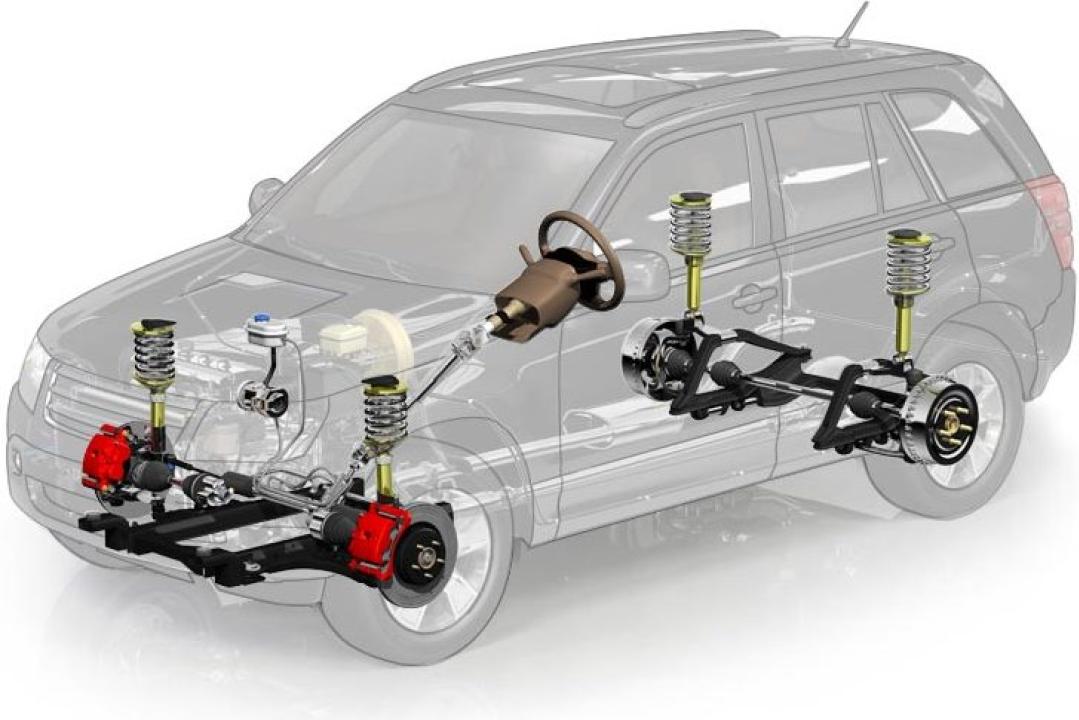
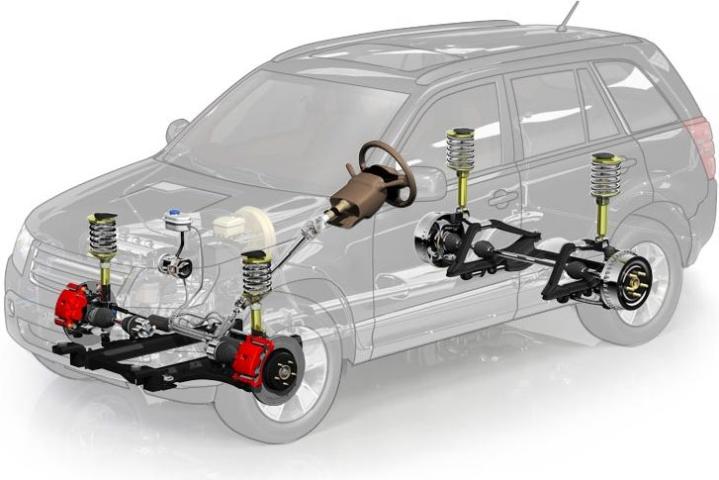
Automotive hydraulic systems play a critical role in enhancing vehicle safety, performance, and comfort by powering key functions such as braking, steering, and suspension. These systems use pressurized fluid to transmit force and enable smooth, precise control, making them indispensable in modern vehicle engineering. As the automotive industry undergoes electrification, automation, and stricter environmental regulations, hydraulic technologies are rapidly evolving to meet new challenges and incorporate smart, efficient solutions.
According to Straits Research, the global automotive hydraulic system sector was worth USD 39.2 billion in 2024 and is projected to reach USD 65.67 billion by 2033, growing at a compound annual growth rate (CAGR) of 5.9% during the forecast period (2025–2033).
Key Trends and Innovations in Automotive Hydraulic Systems
-
Electro-Hydraulic Systems: The integration of electronics with hydraulic components is revolutionizing the industry. Electro-hydraulic systems combine precise electronic control with robust hydraulic power to improve efficiency and response times in braking, active suspension, and power steering systems. These hybrid systems reduce energy consumption and weight while enhancing reliability and adaptability, making them ideal for electric and autonomous vehicles.
-
Regenerative Braking Technologies: To boost energy efficiency in EVs and hybrids, regenerative hydraulic braking systems capture kinetic energy during deceleration and convert it into electrical energy or store it hydraulically. This innovation helps extend battery life and reduce fuel consumption while maintaining the safety and durability of traditional hydraulic brakes.
-
Lightweight and Sustainable Materials: Automotive hydraulic components are increasingly being manufactured with advanced lightweight composites, high-strength polymers, and eco-friendly hydraulic fluids. These materials reduce vehicle weight, improve fuel economy, and address environmental concerns related to hydraulic fluid leakage and disposal.
-
Active Suspension and Advanced Shock Absorbers: Electro-hydraulic active suspension systems use sensors to dynamically adjust damping and stiffness in real time, enhancing ride comfort and stability. High-performance hydraulic shock absorbers with intelligent control algorithms contribute to safer handling and improved vehicle responsiveness in various road conditions.
-
Integration with Autonomous Vehicle Systems: Autonomous and ADAS-enabled vehicles demand precise, fast-acting hydraulic controls for steering, braking, and suspension adjustments. Advanced electro-hydraulic actuators and controllers are being designed to meet these real-time, safety-critical requirements in automated driving scenarios.
Global Industry Dynamics and Major Players
-
United States: The US automotive hydraulic landscape is driven by innovation from companies like Eaton, Parker Hannifin, and Denso, specializing in smart electro-hydraulic components and system integration for passenger and commercial vehicles. The growth of EVs and ADAS technologies fuels demand for advanced hydraulic solutions. However, tariffs on imported hydraulic components and raw materials have prompted firms to diversify supply chains and invest in localized manufacturing.
-
Germany and Europe: Europe remains a core hub of hydraulic innovation with leaders such as Bosch Rexroth, Continental, and ZF Friedrichshafen focusing on lightweight, modular hydraulic systems and regenerative braking technologies. Regulatory factors like the EU’s Green Deal drive the adoption of sustainable components, while the automotive OEM ecosystem supports continuous R&D efforts.
-
China: China’s rapid vehicle production surge and push for electrification are powering domestic hydraulic system manufacturing and innovation. Companies including Hyundai WIA (with strong China presence) and local manufacturers are developing electro-hydraulic solutions tailored for EVs and commercial vehicles. Government incentives and infrastructure investments bolster growth.
-
India: India sees increased adoption of hydraulic systems linked to automotive and commercial vehicle production growth. Firms such as Bharat Forge and Ampere Vehicles incorporate hydraulic innovations in EV and hybrid powertrains, supported by government initiatives emphasizing Make in India and export expansion.
-
Japan and South Korea: Companies like Toyota Industries, Hitachi Automotive Systems, and Hyundai Mobis are pioneering electro-hydraulics and smart hydraulic actuators. Integration with intelligent vehicle control systems and high-precision hydraulic suspensions caters to advanced driver assistance and electrified mobility.
Impact of Global Tariffs on Automotive Hydraulic Industry
Since 2024, global tariffs—especially those between the US, China, Germany, and India—have affected the automotive hydraulic industry by increasing costs on key imported components like hydraulic pumps, valves, cylinders, and raw materials. These tariffs have resulted in higher production and maintenance expenses, particularly impacting hydraulic braking and suspension systems. In response, manufacturers are diversifying sourcing by engaging suppliers across different regions and expanding domestic production capabilities. Governments of key countries are offering incentives for local manufacturing of hydraulic parts and development of eco-friendly hydraulic fluids to reduce dependency on imports. While tariffs have imposed short-term cost pressures, they have encouraged innovation in material technology, system design efficiency, and supply chain resilience.
Recent News and Developments
-
In October 2023, Danfoss launched its Winner Hydraulic Hoses series, which offers a reliable, leak-free solution engineered to meet EN and SAE standards, aiming to reduce maintenance and ownership costs significantly.
-
Bosch Rexroth unveiled new electro-hydraulic active suspension modules with cloud-based predictive maintenance features, enhancing vehicle handling and uptime through real-time monitoring.
-
Eaton expanded its portfolio with regenerative hydraulic braking systems optimized for electric commercial vehicles, aiming to increase overall energy efficiency and reduce emissions.
-
Indian manufacturer Bharat Forge announced investment in advanced electro-hydraulic actuator R&D for EV powertrains, aligning with the nation’s green mobility objectives.
-
European automotive suppliers are collaborating on standardized eco-friendly hydraulic fluids and sealing technologies to mitigate environmental risks associated with leakage.
Outlook and Future Directions
The automotive hydraulic systems sector is set for steady growth through 2033, driven by the increasing electrification of vehicles, advancements in autonomous and active safety technologies, and sustainability mandates. Innovations in electro-hydraulic designs and regenerative braking will become standard in electric and hybrid vehicles, boosting fuel savings and performance. Lightweight materials and eco-friendly fluids will gain wider adoption, reducing environmental impact. Enhanced integration with vehicle control systems and AI will enable smarter, predictive hydraulic system management. Regionally diversified supply chains and local manufacturing investments will mitigate tariff-related disruptions and foster industry resilience. The sector’s evolution will closely align with broader transportation trends focusing on safety, efficiency, and environmental responsibility.
Summary
Automotive hydraulic systems are evolving rapidly with innovations in electro-hydraulics, regenerative braking, and sustainable materials, essential for modern vehicles’ safety and efficiency. Growth is fueled by electrification, autonomy, and regulatory pressures, while tariff-driven supply challenges accelerate localization and innovation. The future points to smarter, lighter, and greener hydraulic solutions powering the next generation of mobility worldwide.