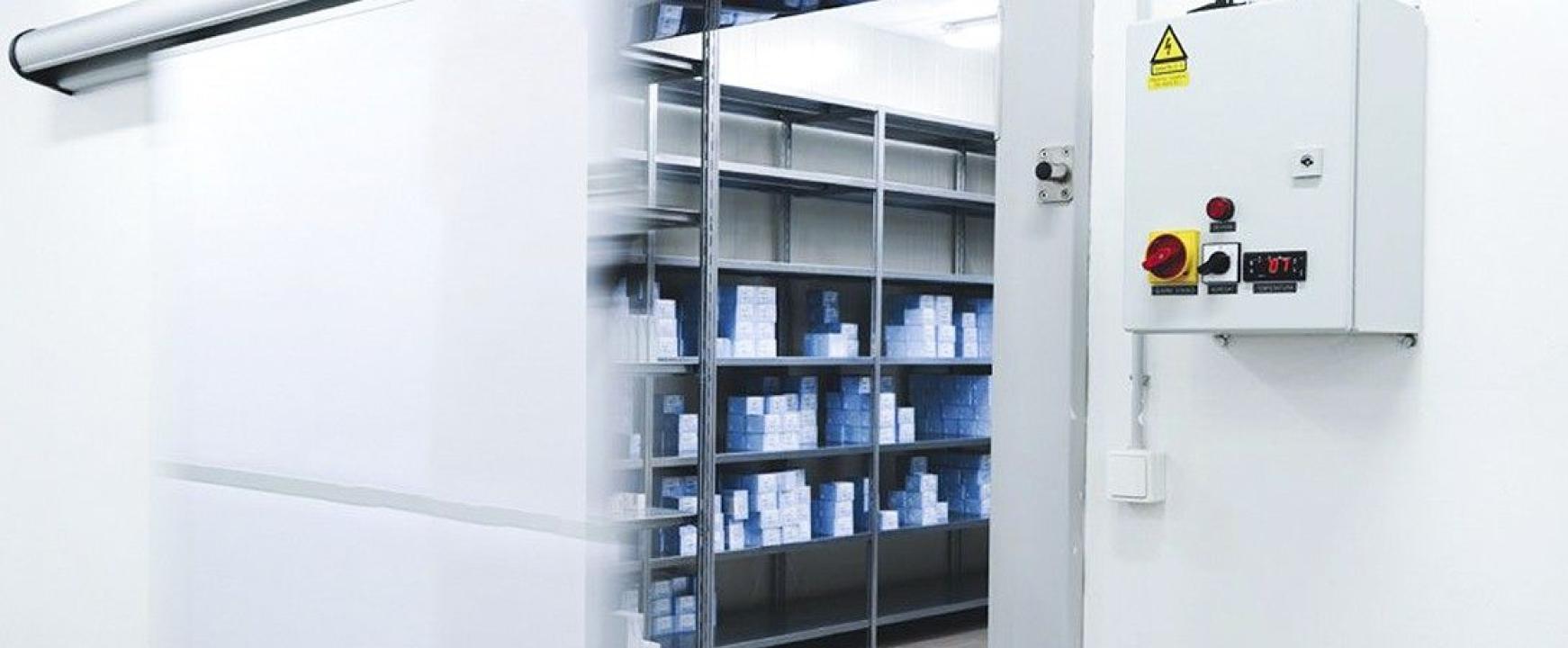
In industries such as pharmaceuticals, biotechnology, food production, and cosmetics, controlled environmental conditions are critical for product quality and safety. Stability chambers are used to simulate and maintain specific temperature, humidity, and lighting conditions over extended periods. To ensure these chambers perform reliably, stability chamber validation is an essential process that confirms their accuracy, consistency, and compliance with regulatory requirements.
What is Stability Chamber Validation?
Stability chamber validation is the documented process of verifying that a stability chamber operates according to predetermined specifications and consistently maintains the required environmental conditions. This process ensures that the chamber can be relied upon for long-term stability testing of products, as mandated by guidelines from agencies such as the FDA, EMA, ICH, and WHO.
Validation typically involves testing the chamber’s ability to maintain uniform temperature and humidity, assessing recovery times after door openings, and ensuring accurate monitoring systems are in place.
Why Stability Chamber Validation is Important
Without proper validation, stability test results may be unreliable, potentially leading to incorrect conclusions about product shelf life, safety, and performance. For example, in the pharmaceutical industry, inaccurate stability data could result in ineffective or unsafe medicines reaching the market.
Stability chamber validation provides documented proof of performance, which is essential for:
- Regulatory Compliance – Meeting industry-specific quality standards.
- Quality Assurance – Ensuring reliable and reproducible test results.
- Risk Reduction – Preventing costly recalls or compliance failures.
Key Steps in Stability Chamber Validation
- Installation Qualification (IQ) – Confirming that the chamber has been delivered, installed, and configured according to manufacturer specifications.
- Operational Qualification (OQ) – Testing the chamber’s functionality under defined conditions to ensure all controls, alarms, and monitoring systems work correctly.
- Performance Qualification (PQ) – Verifying that the chamber maintains required temperature and humidity ranges over time, even under typical usage conditions.
Each step in the stability chamber validation process is documented to provide a clear audit trail for inspections and compliance checks.
Equipment and Tools Used
The validation process may involve:
- Calibrated temperature and humidity sensors for accurate readings.
- Data loggers to monitor performance over extended periods.
- Mapping equipment to assess uniformity across different chamber zones.
Maintaining Validation Over Time
Validation is not a one-time process. Stability chambers require requalification at regular intervals or whenever significant changes occur, such as relocation, component replacement, or software upgrades. Continuous monitoring systems can also help maintain validated performance between formal validation cycles.
Conclusion
Stability chamber validation is a critical quality assurance step for any industry relying on controlled environmental testing. By ensuring chambers perform accurately and consistently, businesses can maintain regulatory compliance, protect product integrity, and build customer trust. In a world where precision matters, validated stability chambers are the foundation for reliable product testing and development.