The Yorker still dominates the cricket game
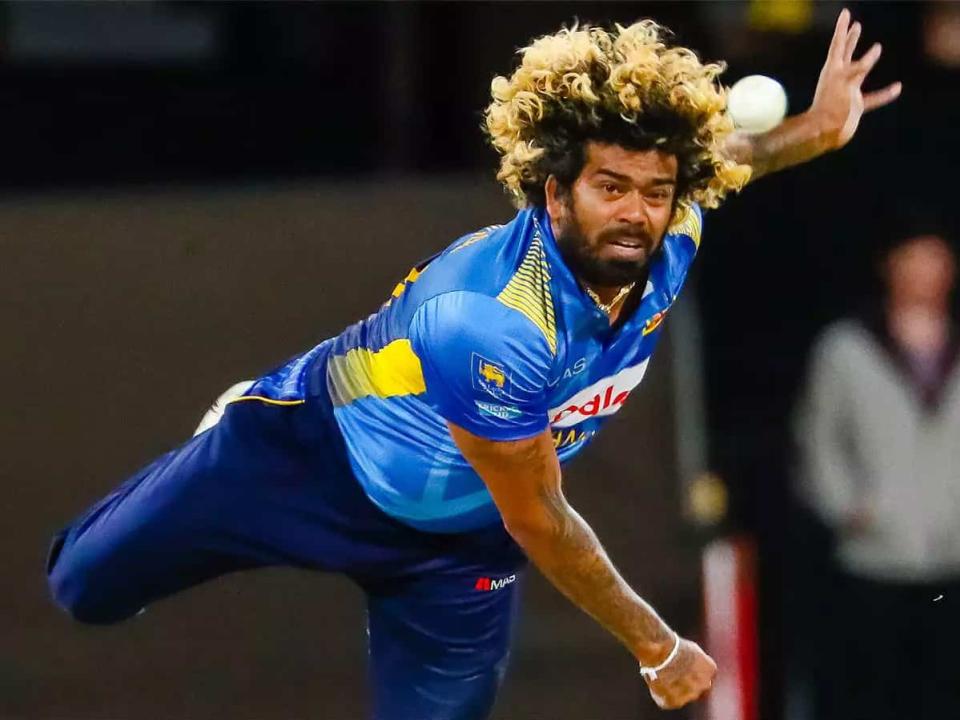
Go up to any batter and ask him which is the delivery he would most like to avoid, and he will probably reply, "a toe-crushing yorker." It is the single ball capable of turning a game upside down fast and accurately and is almost unacceptable to strike when executed correctly. The yorker has made its mark as the weapon of all the weapons in cricket, whether it is the slingy thunderbolts of Lasith Malinga or the inch-perfect finishers of Jasprit Bumrah.
So what is so special about this delivery? How exactly can bowlers do it? Let us go through each step step-by-step—in simple, direct terms.
What is a Yorker Exactly?
A yorker is a pitch just at the feet of the batter, pitched at the popping crease. The point will be to leave the batter with no space to swing freely. Then it is too full, and then it becomes a simple half-volley. Too low, and it will be a full toss. That is why the yorker is so hard to master, that fractional margin.
It is a game changer in T20s and ODIs. In tests it is an unknown arm. Anyway, when it is purchased well, a yorker can shut the crowd up, give it a turn, and even win the championship itself.
The Science Behind Bowling a Perfect Yorker
Bowling a yorker isn’t just about brute force—it’s about physics, timing, and control. Here’s how it works:
1) Release Point
The ball must be let go a fraction earlier than a good-length delivery. Too late, and it sails over for a juicy full toss.
2) Seam Position
Most bowlers aim with the seam upright to keep the trajectory straight. Swing bowlers may tilt it slightly to get late movement.
3) Pace and Rhythm
Speed matters, but rhythm is just as important. A perfectly timed action ensures the ball dips right into the batter’s toes.
4) Spot-Targeting
Imagine hitting the same coin on the crease, over and over. That’s the level of precision bowlers practice for years to achieve.
Why Is It So Hard to Play?
For a batter, the yorker is pure chaos. Here’s why:
1) Limited Reaction Time: By the time the ball dips, there’s barely a split second left to adjust.
2) No Swing Room: It lands too close to the body, cutting off big shots.
3) Risk of Damage: Miss the ball, and it’s either stumps flying or toes bruised.
Even the best finishers in cricket struggle to consistently counter yorkers. That’s why it remains such a trusted weapon in the death overs.
How Players Train for the Yorker
Training to play the Yorker The players train to play the Yorker by practicing the following key points.
Bowlers do not wake up one morning and start nailing yorkers. Nobody ever stops practicing, and it is normally with a focus, such as a shoe, coin, or marker on the crease. Coaches would focus on repetition: the same line length as many times as possible in the hundreds until your muscles know how.
Batters instead train on choosing the release point early and changing their position. Others concentrate on smashing the ball out of the ground with the bat at an angle, and others seek planned scoop or ramp shots to foil it.
Famous Yorkers That Changed the Game
Cricket history is packed with moments where yorkers made the difference:
1) Malinga vs. South Africa (2007): Four wickets in four balls, thanks to lethal yorkers.
2) Bumrah in IPL finals: Deliveries so precise they became unplayable under pressure.
3) Waqar Younis in the ’90s: Known as the “Toe Crusher” for a reason.
These aren’t just highlights—they’re proof that yorkers, when bowled perfectly, can flip a game in seconds.
Where Your Online Cricket ID Comes In
Now here’s the fun part. With your online cricket ID, you don’t just hear about these magical deliveries the next day—you see them live, break them down, and discuss them with fans worldwide.
Your ID gives you:
1) Instant replays to watch how the yorker dipped in slow motion.
2) Stat breakdowns showing yorker accuracy and success rates.
3) Community chats where fans debate who owns the title of “Yorker King.”
It’s not just about watching cricket anymore; it’s about analyzing, sharing, and living every delivery as if you were part of the dugout.
Tips for Fans Who Want to Understand Yorkers Better
1) Watch Bowlers’ Hands – Pay attention to release points; it tells you a lot about intent.
2) Track Patterns—Bowlers usually save yorkers for death overs; spotting these patterns makes watching more exciting.
3) Compare Legends—See how Bumrah’s action differs from Malinga’s, or how Waqar used swing to deadly effect.
4) Engage with Communities—Use your online cricket ID to join conversations that give you insights beyond commentary boxes.
Conclusion
The yorker is cricket's great equalizer, one ball that can outthink even the strongest batters. It is speed with precision, science with art. And now, through digital platforms, one no longer just has to admire it from afar.
With an online cricket ID, you can follow the bowlers who perfect it, see the moments that have defined matches, or maybe identify the next young fast bowler of the area vying to master this beautiful instrument.
So the next time the stumps are flattened or the toe is just about saved, you'll know in your heart that you've witnessed the hardest delivery in cricket.