The Supply Chain Problem Retailers Can’t Ignore
The global retail supply chain is massive—worth an estimated $30 trillion in trade value each year (World Trade Organization). Yet, inefficiencies plague the system. According to PwC, 69% of retailers struggle with supply chain visibility, while Accenture found that 63% experience delays due to outdated systems and poor coordination.
These inefficiencies don’t just cause headaches—they cost money. Gartner estimates that poor supply chain management leads to 20–30% higher operational costs. The question is: how can retailers bridge these gaps without reinventing the wheel? The answer lies in tokenized supply chains powered by blockchain.
What Is Asset Tokenization?
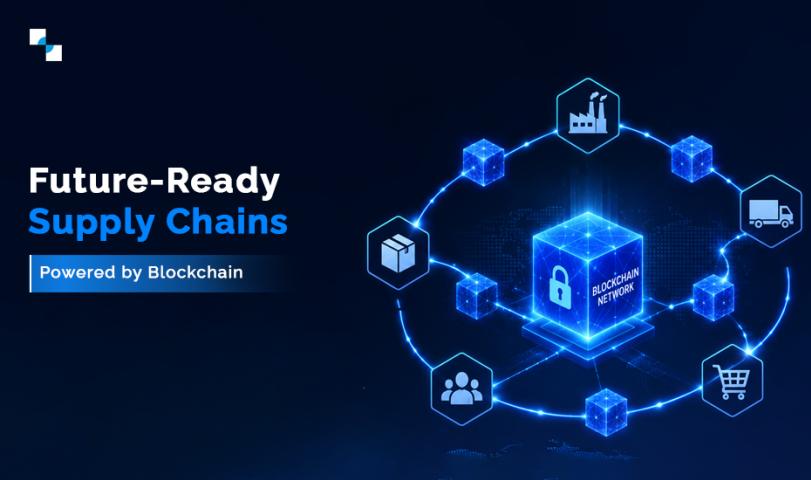
At its core, asset tokenization is the process of converting real-world assets into digital tokens on a blockchain. These tokens represent ownership, rights, or value and can be securely transferred, tracked, or divided.
For retailers, asset tokenization could mean turning every product, shipment, or even warehouse contract into a digital token. This ensures real-time visibility and immutability of transactions, making it nearly impossible to lose track of goods or falsify records.
Think of it this way: instead of relying on endless paperwork, every step of your product’s journey can be represented by a transparent, traceable token.
How Do You Tokenize a Retail Supply Chain?
So, how does tokenization actually work in retail? Here’s a step-by-step breakdown:
-
Digitize Assets
-
Products, invoices, and shipment details are converted into blockchain tokens.
-
Each token stores critical data like origin, production date, and ownership.
-
-
Smart Contracts for Transactions
-
Tokens interact through smart contracts that automate payments, shipping triggers, and compliance checks.
-
-
Track & Trace
-
Every tokenized asset is updated in real time, allowing retailers to see exactly where goods are in the supply chain.
-
-
Secure Transfer
-
Tokens move between suppliers, warehouses, logistics partners, and retailers with no risk of duplication or fraud.
-
By tokenizing the retail supply chain, retailers not only cut inefficiencies but also gain a competitive edge in customer trust and operational resilience.
Key Benefits of Tokenized Supply Chains for Retailers
Let’s break down why tokenize retail supply chains is becoming a trending keyword in retail innovation.
1. Unmatched Transparency
A Deloitte report shows that 81% of consumers want greater transparency in retail supply chains. Tokenization allows customers and retailers to trace goods from origin to shelf, increasing trust.
2. Faster Settlements & Payments
Traditional supply chains involve days (sometimes weeks) of waiting for invoices to be cleared. With tokenized assets and smart contracts, payments can be executed instantly once conditions are met, freeing up working capital.
3. Reduced Fraud & Errors
Supply chain fraud costs the retail industry over $40 billion annually (Association of Certified Fraud Examiners). Tokenized systems reduce risks by recording every transfer on a tamper-proof blockchain.
4. Cost Efficiency
Accenture predicts that blockchain in supply chains could help businesses save up to $450 billion annually in logistics, compliance, and fraud-related losses.
5. Real-Time Tracking
Retailers gain full visibility into shipments, reducing delays, disputes, and mismanagement.
Challenges Retailers Must Overcome
Of course, adopting a tokenized retail supply chain isn’t without hurdles:
-
Regulatory Uncertainty – Laws around digital tokens vary by country.
-
Integration with Legacy Systems – Many retailers still rely on outdated ERP systems.
-
Scalability Issues – Tokenization at a massive scale requires robust blockchain networks.
-
Adoption Costs – Initial implementation can be expensive, though ROI improves over time.
Retailers who recognize these challenges early can build phased adoption strategies—starting small with pilot projects before scaling globally.
The Future of Tokenized Retail Supply Chains
Tokenization is no longer theoretical—it’s happening. Walmart and IBM have already piloted blockchain-based food tracking, cutting product traceability times from 7 days to 2.2 seconds.
Looking ahead, we may see:
-
NFT-like digital twins for high-value retail items.
-
Carbon tokenization to track sustainability metrics.
-
Automated insurance claims tied to shipment conditions via IoT sensors.
As blockchain adoption grows, tokenized supply chains will shift from an innovation buzzword to an industry standard.
How Retailers Can Get Started
Here’s a practical roadmap for retailers ready to explore tokenized supply chains:
-
Identify Key Pain Points – Start with areas where inefficiency is highest (e.g., cross-border logistics, fraud-prone segments).
-
Choose a Blockchain Partner – Platforms like Ethereum, Hyperledger, or Polygon support tokenization projects.
-
Run Pilot Programs – Tokenize a single product line or logistics route.
-
Train Employees & Partners – Adoption requires stakeholder buy-in across the chain.
-
Scale Gradually – Expand tokenization step-by-step to cover warehouses, payments, and retail outlets.
FAQs on Tokenized Supply Chains
1. What is asset tokenization in retail?
It’s the process of converting retail assets (like products or shipments) into digital tokens on blockchain for transparent tracking and ownership management.
2. How do tokenized supply chains improve efficiency?
They reduce fraud, speed up settlements, cut paperwork, and offer real-time product tracking.
3. Is tokenization the same as blockchain?
Not exactly. Tokenization is a use case of blockchain—where assets are digitally represented as tokens.
4. What industries beyond retail use tokenized supply chains?
Pharma, food & beverages, luxury goods, and manufacturing are leading adopters.
Wrapping It Up
Retailers are under more pressure than ever to optimize efficiency, reduce costs, and build customer trust. Tokenized supply chains offer a solution that’s not just futuristic, but practical and scalable today. By understanding what asset tokenization is and learning how to tokenize retail supply chains, businesses can transform inefficiencies into opportunities for growth.
The retail giants who embrace tokenization early will likely set the standard for the industry’s next decade. So the real question is—will your retail business adapt or get left behind?