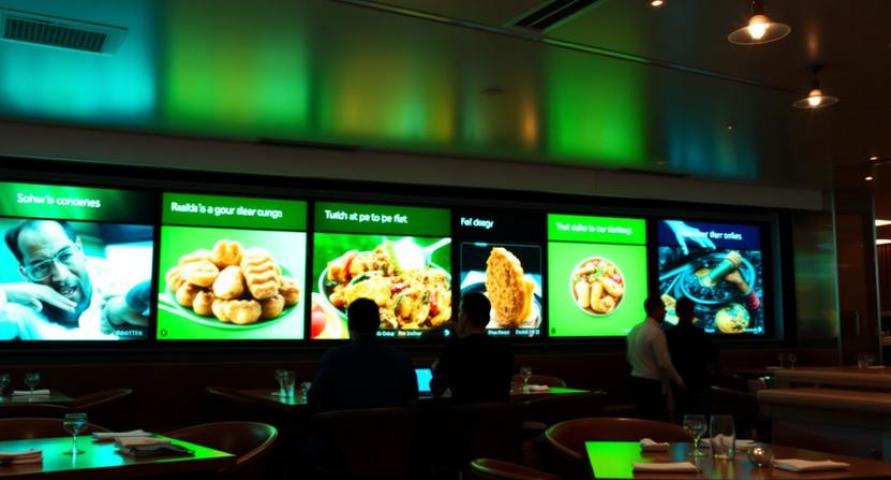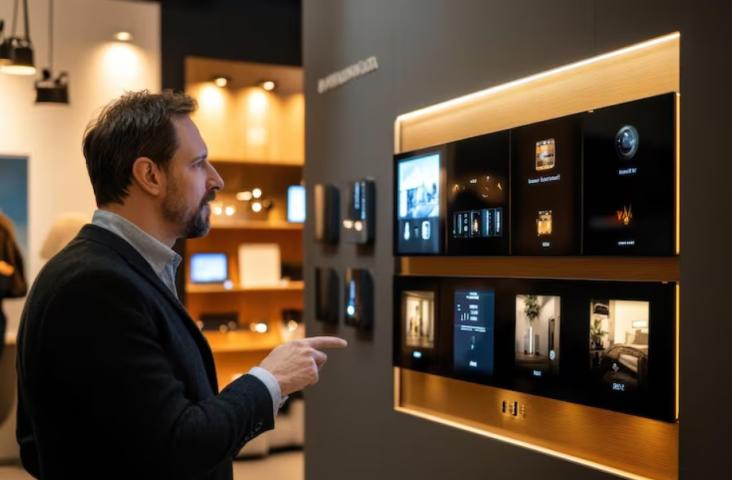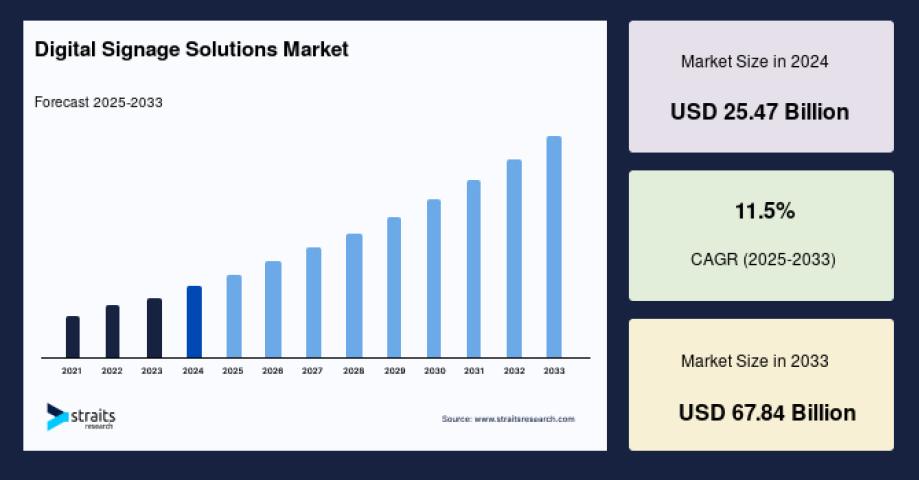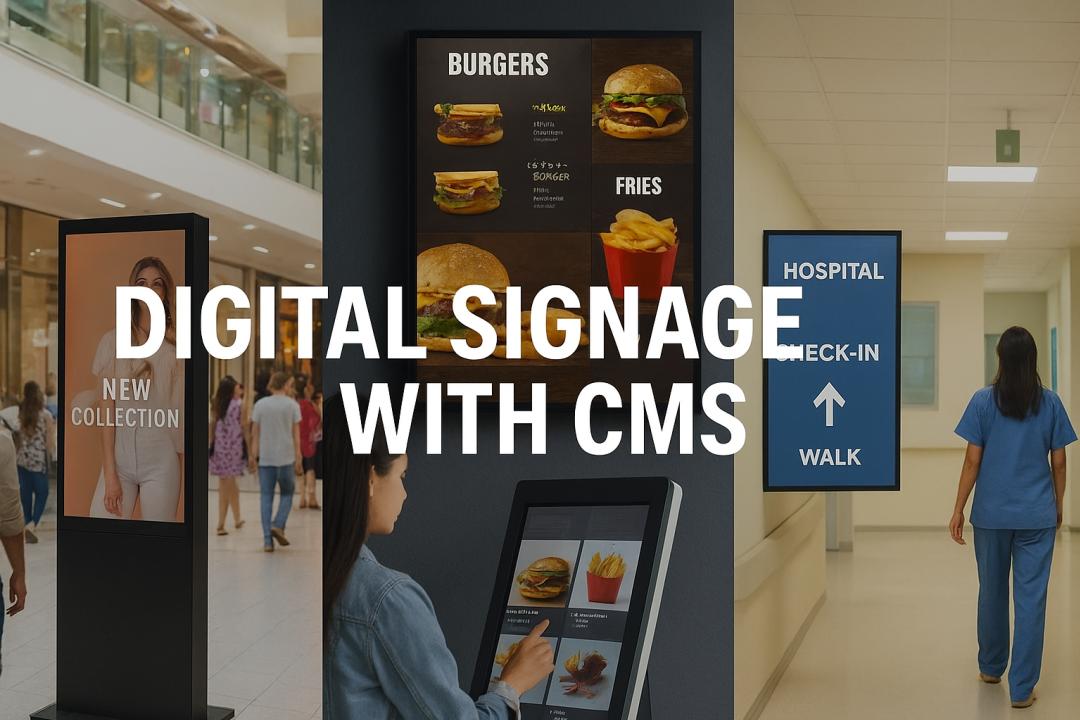
Last month, I walked into a busy shopping mall in Delhi. The crowd was massive, and every store was trying to grab attention with posters, banners, and flashy signs. But the one thing that caught my eye was a giant digital screen showing a new collection launch. The content wasn’t static; it was changing in real time—videos, offers, updates, even live social media feeds. Later I found out it was powered by smart content management for digital displays. And honestly, it made me realize how powerful this tool has become for businesses today.
What Exactly Is Digital Signage with CMS?
Think of it this way: a normal digital screen can display content, but with a CMS, you get full control. It’s like having a smart remote that lets you create, schedule, and update content anytime, from anywhere. Whether you want to announce a flash sale, display a welcome message, or show live updates, the CMS makes it quick and hassle-free.
Without it, businesses often struggle—imagine manually updating every screen in multiple locations. Not only is it time-consuming, but it also leaves room for inconsistency. With a CMS, one click can change everything across all screens instantly.
The Problems It Solves
Here’s why digital signage with CMS has become almost a necessity:
- Outdated communication: Traditional posters take days to print and put up. By then, the message might already be old.
- Inconsistent branding: Without centralized control, some stores might display old offers while others run the new ones.
- High costs: Printing, logistics, manpower—it all adds up.
- Customer disengagement: Static signs simply can’t grab attention the way dynamic content can.
Digital signage solves all this by making communication fast, flexible, and engaging.
Real-Life Impact
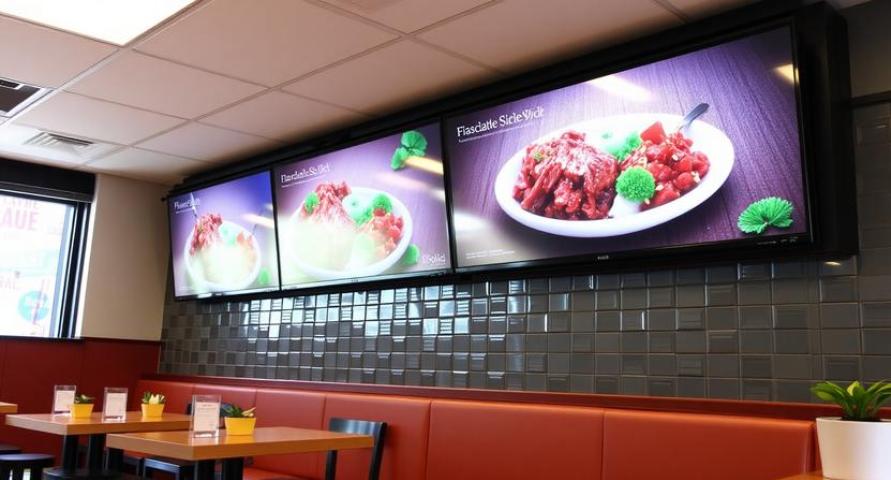
Take restaurants, for example. With digital menu boards powered by CMS, they can update prices, highlight “today’s specials,” or remove out-of-stock items instantly. No messy paper menus, no confusion for customers.
Retail stores use it for product launches, seasonal sales, and even to guide customers through sections. Hospitals use it for announcements and wayfinding. Even educational institutions use it for event schedules and emergency alerts.
It’s not just about advertising—it’s about improving the experience for anyone who interacts with your brand.
Why Businesses Love It
The biggest advantage is control. You don’t need a tech team on the ground every time you want to make a change. With a cloud-based CMS, you can log in, update content, and push it live in seconds.
The second is engagement. Moving visuals, videos, animations—these grab attention in a way static posters never will. People stop, they watch, and they remember.
And finally, analytics. Many CMS solutions now provide data on how content performs. Businesses can track what works, what gets attention, and what doesn’t. That kind of feedback helps improve campaigns in the long run.
The Human Side of It
At the end of the day, technology only matters if it solves human problems. And digital signage with CMS does exactly that—it saves time for staff, reduces customer frustration, and makes communication seamless.
Instead of an employee running around replacing posters, they can focus on actually helping customers. Instead of customers feeling lost or misinformed, they get clear, updated information right in front of them.
That’s the real value—making lives easier on both sides.
Final Thoughts
The world has moved beyond static signs and posters. People expect information to be instant, dynamic, and engaging. Digital signage with CMS is not just a fancy screen—it’s a smart communication tool that solves real business challenges.
Whether you run a retail chain, a hospital, a restaurant, or even a school, the question isn’t “Should I use it?” anymore. It’s “How soon can I start?”
Because in today’s fast-paced world, staying relevant isn’t just about what you say—it’s about how quickly and effectively you can say it.