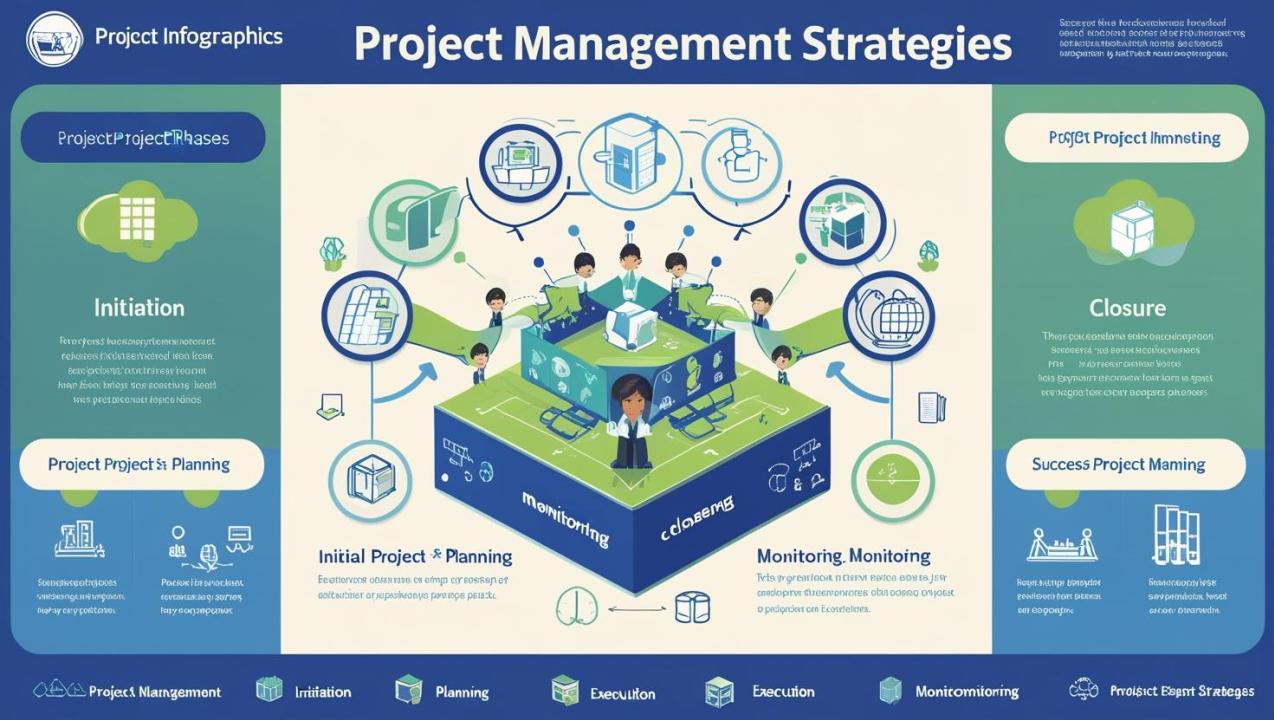
Project management is a cornerstone of organizational success, providing structured methods to plan, execute, and deliver initiatives on time and within budget. For students pursuing management degrees or business-related courses, grasping project management principles is crucial not only for academic success but also for future professional growth. However, assignments related to project planning, risk management, scheduling, or resource allocation often present significant challenges. In such scenarios, project management assignment help provides students with tailored guidance, enabling them to complete tasks effectively while reinforcing conceptual understanding.
This article explores the fundamentals of project management, identifies common academic challenges, highlights strategies for assignment completion, and offers actionable insights for excelling in the field.
Understanding the Core of Project Management
Project management is the process of applying knowledge, skills, tools, and techniques to project activities to meet specific objectives. It spans multiple disciplines and industries, including construction, IT, healthcare, and engineering. The Project Management Institute (PMI) defines project management as “the application of knowledge, skills, tools, and techniques to project activities to meet project requirements” (PMI, 2021).
Key components of project management include:
- Project Planning: Defining project goals, scope, tasks, timelines, and resources.
- Risk Management: Identifying potential risks and devising mitigation strategies.
- Resource Allocation: Ensuring that human, financial, and technological resources are optimally utilized.
- Monitoring and Control: Tracking progress, measuring performance, and making necessary adjustments.
- Stakeholder Management: Communicating effectively with all parties involved to ensure alignment.
Assignments in project management often test students’ abilities to apply these principles practically, analyze case studies, and propose solutions to project-related challenges.
Common Challenges Students Face in Project Management Assignments
Despite its importance, project management coursework can be intricate. Students often encounter challenges such as:
1. Complexity of Project Frameworks
Assignments frequently require understanding frameworks like PMBOK, Agile, and PRINCE2. Students may struggle to differentiate methodologies, identify suitable applications, and integrate them into practical assignments.
2. Time and Resource Management Difficulties
Planning timelines, creating Gantt charts, and allocating resources efficiently can be overwhelming. Students often find it difficult to balance project constraints while adhering to assignment guidelines.
3. Risk Analysis and Mitigation
Risk assessment requires identifying potential threats, estimating their impact, and proposing mitigation strategies. Assignments that demand detailed risk management analysis can be challenging for those without practical exposure.
4. Data Interpretation and Reporting
Students may be required to analyze project metrics, budgets, and performance indicators. Presenting this information accurately in reports and dashboards is critical but can be technically demanding.
5. Balancing Theory and Practice
Project management assignments often combine theoretical knowledge with real-world application. Understanding how to link concepts to practical scenarios is a common hurdle.
How Project Management Assignment Help Supports Students
Professional project management assignment help offers structured solutions, guiding students through complex tasks while enhancing their knowledge.
1. Clarifying Methodologies and Frameworks
Experts explain project management methodologies clearly, helping students understand when to use Agile, Waterfall, or hybrid approaches. This understanding is crucial for effectively planning and executing assignments.
2. Assisting in Risk and Resource Planning
Assignments that require detailed risk matrices or resource allocation plans benefit from expert guidance. Tutors help students identify potential project risks, evaluate their impact, and suggest actionable mitigation strategies.
3. Data Analysis and Reporting Guidance
Professional support ensures that students can interpret project metrics accurately, create charts, graphs, and dashboards, and present findings in a logical, academically acceptable format.
4. Time Management and Workflow Optimization
Structured guidance helps students break assignments into manageable tasks, prioritize deadlines, and streamline research and writing processes, reducing stress and improving output quality.
5. Enhancing Academic Writing
Expert tutors guide students on report structuring, referencing, and presenting arguments persuasively. This ensures assignments are clear, concise, and aligned with academic standards.
Effective Strategies for Excelling in Project Management Assignments
While professional help is invaluable, students can adopt strategies to strengthen their performance:
1. Master Core Concepts
A solid grasp of project management principles such as scope management, time management, quality control, and stakeholder communication is fundamental. Reviewing textbooks, scholarly articles, and PMI resources reinforces understanding.
2. Engage in Case Study Practice
Assignments often involve analyzing real-world scenarios. Practicing case studies enables students to develop problem-solving skills, identify project challenges, and propose realistic solutions.
3. Use Project Management Tools
Familiarity with tools like Microsoft Project, Asana, Trello, and Primavera P6 enhances data visualization, resource tracking, and task management, improving assignment accuracy and efficiency.
4. Refer to Credible Sources
Using academic journals, PMI publications, and organizational reports ensures evidence-based arguments and strengthens assignment credibility. For example, the PMI’s Pulse of the Profession report provides insights into project success rates globally.
5. Organize Assignments Logically
Structure assignments with clear headings: introduction, literature review, methodology, analysis, discussion, and conclusion. A well-organized report improves readability and academic professionalism.
Geographic Considerations in Project Management Assignments
Project management practices vary across regions due to regulatory frameworks, cultural factors, and industry norms. Assignments may require students to adapt strategies based on location:
- North America: Emphasis on Agile methodologies, compliance with OSHA, and corporate governance.
- Europe: Focus on PRINCE2 certification, GDPR compliance, and cross-functional project teams.
- Asia-Pacific: Consideration of labor laws, resource constraints, and cultural work practices.
Tailoring assignments to local standards ensures relevance and improves academic performance.
Emerging Trends in Project Management
Staying updated with modern trends can enhance the quality of assignments:
- Digital Project Management: Use of cloud-based tools, AI, and automation for project tracking and reporting.
- Sustainability in Projects: Integrating environmental and social governance (ESG) principles into project planning.
- Remote Project Management: Managing virtual teams effectively using collaboration platforms.
- Agile Transformation: Increasing adoption of iterative project delivery to enhance flexibility and responsiveness.
Incorporating these trends demonstrates awareness of current practices and strengthens academic credibility.
Ethical Considerations in Project Management
Ethical practices are critical for both assignments and professional work:
- Transparency in Reporting: Ensure accuracy in project data and financial reporting.
- Respect for Stakeholders: Maintain confidentiality and consider the impact of project decisions on all stakeholders.
- Sustainability and Responsibility: Promote environmentally and socially responsible project practices.
Maintaining ethical standards ensures that students’ work is trustworthy and aligns with professional norms.
Conclusion
Project management is a dynamic and strategic discipline essential for organizational efficiency and success. Assignments in project management challenge students to integrate theoretical knowledge with practical application, manage resources, analyze risks, and communicate effectively. Accessing project management assignment writing service UK provides structured guidance, expert insights, and personalized support to tackle complex assignments efficiently.
By combining professional support with personal strategies—such as mastering core concepts, practicing case studies, using project management tools, referencing credible sources, and following a structured approach—students can enhance their academic performance and develop practical skills valuable for their careers. Awareness of regional practices, emerging trends, and ethical standards further ensures that assignments are relevant, credible, and professionally sound.
Ultimately, project management assignments are not merely academic exercises; they are opportunities for students to cultivate analytical thinking, strategic planning, and leadership skills that will serve them in real-world project management roles.
Also Read My Last Article: navigating the challenges of programming coursework a students guide