Polyvinylidene Fluoride (PVDF) pumps are widely used in chemical, pharmaceutical, and water treatment industries because of their exceptional resistance to corrosion and durability. However, even the most reliable pumps can face performance issues, unexpected failures, and high maintenance costs if not monitored effectively. To address these challenges, industries are turning to Artificial Intelligence (AI) and the Internet of Things (IoT) for smarter pump monitoring.
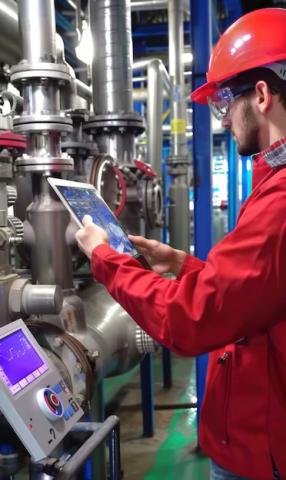
IoT enables PVDF pumps to become intelligent by equipping them with sensors that track real-time data such as flow rate, pressure, temperature, vibration, and energy consumption. This continuous stream of information gives operators instant visibility into pump health, reducing reliance on periodic manual inspections. With IoT, issues are detected early, ensuring uninterrupted and more reliable operations.
AI adds another layer of intelligence by analyzing the data gathered from IoT devices. Machine learning algorithms detect anomalies, predict failures, and recommend proactive maintenance. Instead of reacting to breakdowns, operators can schedule service before problems escalate. For example, a slight change in vibration patterns may indicate bearing wear—AI can identify this trend early and alert teams to take corrective action at the right time.
The benefits of AI and IoT integration are significant: reduced downtime, extended pump lifespan, lower maintenance costs, improved safety, and optimized energy usage. These advantages not only enhance operational efficiency but also support sustainability goals by minimizing waste and conserving resources.
In chemical operations, where reliability and safety are critical, smarter PVDF pump monitoring with AI and IoT represents a shift from reactive management to predictive intelligence. As technologies evolve, features like digital twins and automated self-diagnosis will further transform pump performance, making operations more efficient, sustainable, and future-ready.