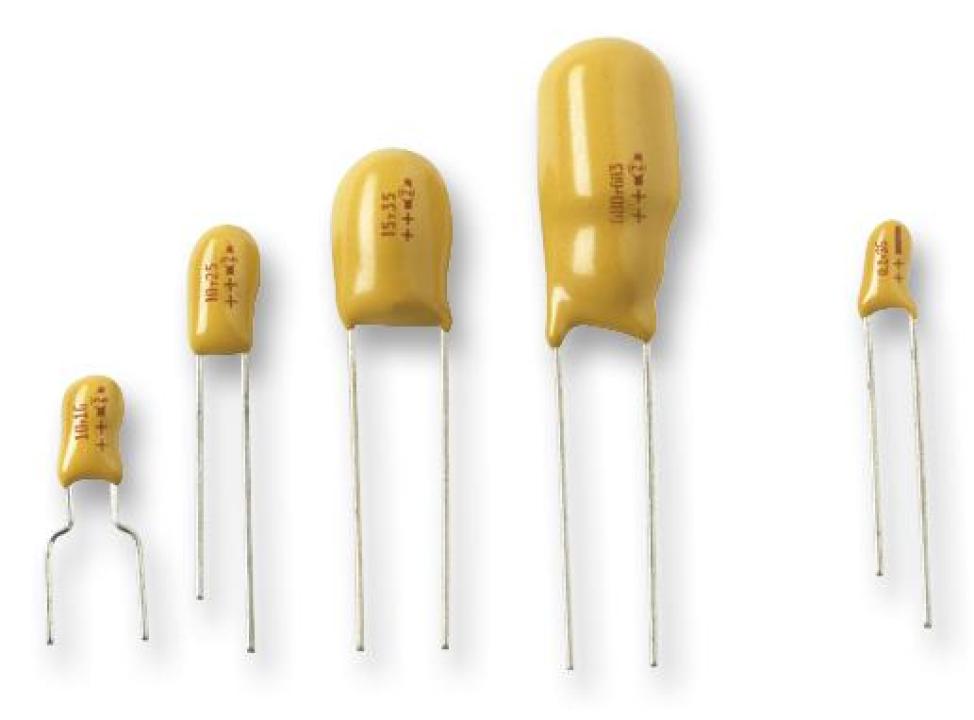
Tantalum capacitors continue to play a vital role in modern electronics, known for their compact size, stability, and high capacitance performance. As electronics evolve towards higher complexity and miniaturization across automotive, aerospace, telecommunications, and medical sectors, tantalum capacitors remain critical components enabling reliable power management and signal filtering. In 2025, the tantalum capacitor segment is witnessing vibrant growth fueled by technological advancement, sustainability focus, and expanded applications.
According to Straits Research, “The global tantalum capacitors market size was valued at USD 3.34 billion in 2024 and is expected to grow from USD 3.49 billion in 2025 to reach USD 4.9 billion by 2033, growing at a CAGR of 4.36% during the forecast period (2025-2033).” This steady expansion reflects the increasing demand for high-reliability electronic components in electric vehicles (EVs), 5G infrastructure, aerospace, and industrial automation.
Technological Innovations and Market Progress
Recent advancements in tantalum capacitor technology emphasize miniaturization, enhanced performance, and sustainability:
-
Development of polymer tantalum capacitors is gaining traction due to their lower equivalent series resistance (ESR), improved frequency response, and environmentally friendly profiles, making them suitable for high-end audio, telecom, and automotive systems.
-
New dielectric materials and manufacturing techniques enhance reliability at higher voltages and operating temperatures, expanding capacitor applications in harsh environments like aerospace and military systems.
-
Integration with smart and connected devices, including IoT sensors, medical implants, and automotive electronics, drives demand for ultra-compact, stable capacitors that withstand long operational lifetimes.
-
Industry players focus on sustainable sourcing and recycling initiatives to address the challenges of tantalum raw material scarcity and conflict mineral regulations, fostering innovation in circular economy frameworks.
-
Advances in surface mount technology (SMT) and packaging solutions enable space-saving designs and facilitate higher production volumes supporting rapid consumer electronics growth.
Leading Players and Regional Developments
Several key manufacturers dominate the tantalum capacitor sphere:
-
Kemet Corporation (US): A global leader investing in polymer tantalum technologies and automotive-grade capacitors, Kemet’s innovations target electric vehicle power electronics and 5G infrastructure expansion.
-
Kyocera AVX (Japan/US): Pioneers in high-temperature and high-voltage tantalum capacitors, widely adopted in aerospace, defense, and industrial applications. AVX continues expanding capacities in Asia and North America.
-
Vishay Intertechnology (US): Focusing on sustainability and innovation, Vishay develops capacitors for automotive ADAS (Advanced Driver Assistance Systems) and next-gen medical devices.
-
Panasonic Industry (Japan): Known for miniaturized tantalum capacitors integrated into consumer electronics, automotive, and healthcare sectors worldwide.
-
Hongda Electronics Corporation (China): Rapidly growing as a regional leader servicing Asia-Pacific’s expanding electronics manufacturing ecosystem.
-
Rohm Semiconductor (Japan), CEC, Matsuo Electric, Sunlord, and Abracon are other influential players reinforcing penetration in industrial, telecom, and specialized sectors.
-
Asia-Pacific leads in manufacturing scale, particularly China, Japan, and South Korea, consolidating export capacity and technological advancement.
-
North America and Europe emphasize applications demanding strict reliability and environmental standards, supporting R&D investments and premium segment growth.
-
Emerging markets including India and Southeast Asia witness increasing electronics production and capacity enhancements aligned with global supply chain diversification trends.
Key Trends and Growth Drivers
-
The electrification of vehicles necessitates compact, high-performance capacitors that can endure power fluctuations and temperatures encountered in EV powertrains and charging systems.
-
5G infrastructure rollouts across the globe increase demand for capacitors with low ESR and high frequency performance to maintain signal integrity and power efficiency.
-
Miniaturization driven by wearable technology, medical implants, and IoT edge devices fuels demand for smaller form factors with uncompromised capacitance and lifetime.
-
Sustainability and conflict mineral compliance push manufacturers to innovate recycling and ethical sourcing, influencing product design and supply chain management.
-
Rising automation in production ensures quality control, higher yields, and cost-effectiveness critical amid increasing competitive pressures.
Recent News and Strategic Developments
-
In July 2025, Kemet announced capacity expansions for its automotive-grade tantalum capacitors, supporting increasing global EV production.
-
Kyocera AVX launched a new line of capacitors rated for extreme environmental conditions tailored for defense and aerospace applications.
-
Vishay Intertechnology unveiled a polymer tantalum capacitor range with improved power loss characteristics and enhanced longevity for next-gen IoT and medical electronics.
-
Hongda Electronics reported strong growth in the Asia-Pacific capacitors sector, fueled by rising electronics manufacturing activity and export demand.
-
Panasonic expanded its SMT tantalum capacitor production lines to meet growing demand in consumer electronics and healthcare wearable devices.
-
Industry-wide, players are collaborating on sustainability initiatives with global regulators to ensure transparency, reduce environmental impact, and mitigate supply risks associated with tantalum sourcing.
Conclusion
Tantalum capacitors are critical enablers in the technology age, striking a vital balance between performance, reliability, and miniaturization. With robust growth driven by electric vehicles, 5G, IoT, and stringent environmental demand, the industry is investing heavily in innovative materials, sustainable practices, and advanced manufacturing technologies. The future promises continued expansion as tantalum capacitors underpin the next frontier of high-performance electronics.