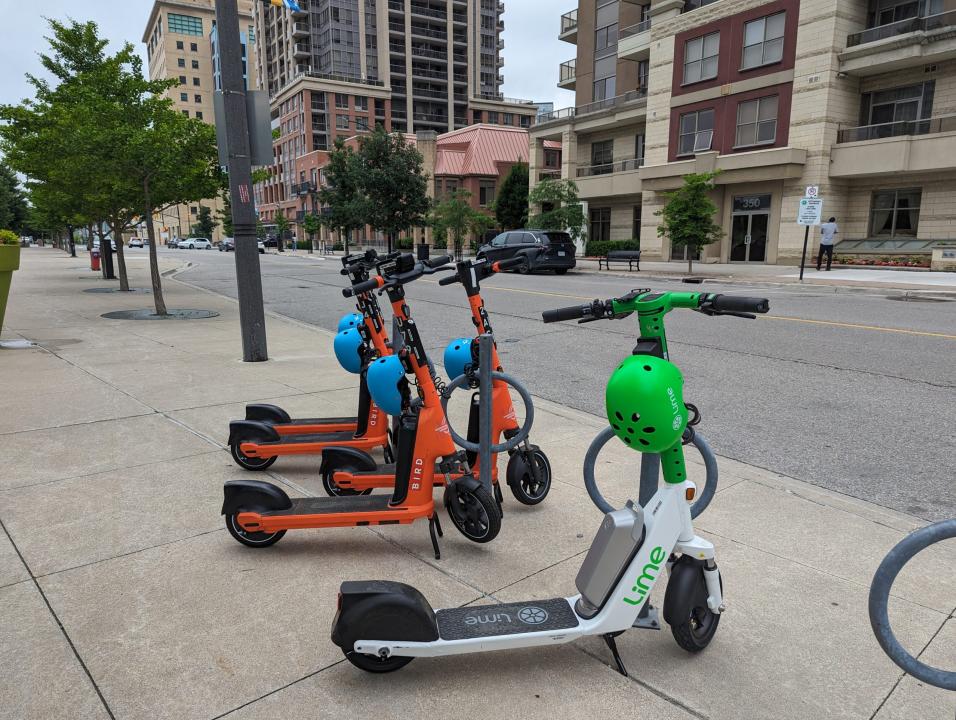
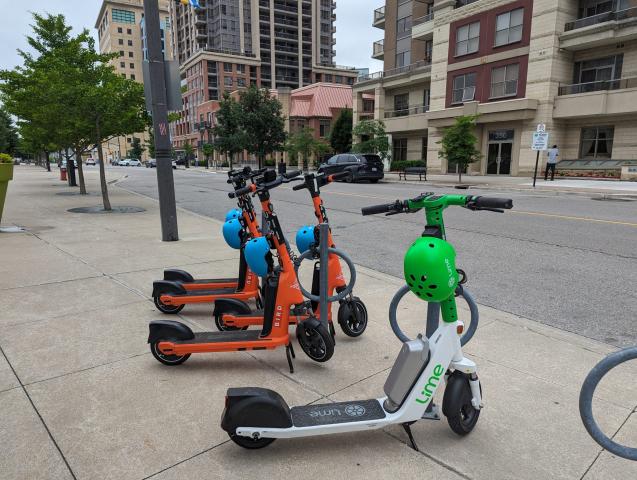
The bike and scooter rental industry is emerging as a key solution for urban mobility challenges worldwide. As cities grapple with congestion, pollution, and rising transportation costs, shared two-wheelers offer an affordable, eco-friendly, and convenient alternative for short-distance commutes and last-mile connectivity. The rapid adoption of app-based rental platforms, electric propulsion, and seamless user experiences is fueling explosive growth in this sector.
According to Straits Research, “The global bike and scooter rental market size was valued at USD 4.2 billion in 2024 and is expected to reach from USD 4.7 billion in 2025 to USD 11.65 billion in 2033, growing at a CAGR of 12% over the forecast period (2025-2033).” This robust expansion is driven by supportive government policies promoting micro-mobility, increasing urbanization, and consumer preference shifts towards shared, sustainable transportation.
Industry Innovations and Recent Developments
The landscape of bike and scooter rental has seen several innovations and service enhancements:
-
Electric Scooters Dominate: Electrically propelled scooters and bikes lead the fleet composition, owing to their zero-emission profile, low operational cost, and ease of use. Improved battery technology drives longer ride times and faster recharge cycles.
-
Mobile App Integration: Sophisticated smartphone applications provide keyless entry, real-time GPS tracking, route planning, and ride history. App ecosystems integrate payments, promotions, and customer support to improve user experience and loyalty.
-
Dockless to Hub-Based Models: While dockless systems initially fostered rapid deployment, hybrid models combining docking stations with free-floating vehicles optimize asset management and urban space usage.
-
Enhanced Hygiene and Safety: Post-pandemic, operators emphasize vehicle sanitization protocols, helmet provision, and contactless processes to reassure users and comply with health regulations.
-
Subscription and Rental Flexibility: Riders gain more options through hourly, daily, and monthly subscriptions, encouraging regular usage and bolstering customer retention for service providers.
-
Fleet Management Innovation: AI-powered predictive maintenance and dynamic fleet rebalancing improve vehicle availability, reduce downtime, and optimize distribution across high-demand zones.
Major Players and Geographic Footprint
Key global and regional operators shape the industry's development:
-
Lime (US): Dominates the global market with a vast fleet of electric scooters and bikes, app-enabled seamless rentals, and strategic partnerships with municipalities promoting sustainable urban mobility.
-
Bird Rides (US): A pioneer in electric scooter sharing, Bird focuses on expanding rentable fleets while enhancing user safety features and exploring micromobility bundles integrated with public transport.
-
Spin (Ford): Integrates rental scooters with multi-modal transportation apps, leveraging the Ford ecosystem to push forward electric mobility adoption in North America and Europe.
-
TIER Mobility (Europe): Leads in European expansion with zero-emission fleets and collaborative city partnerships focusing on sustainability and urban air quality improvement.
-
Vogo and Bounce (India): Fast-growing local players emphasizing two-wheeler rental affordability and regional customization, integrating multilingual apps, and expanding to tier 2 and 3 cities.
-
Hellobike and DiDi Bike (China): Capitalize on huge urban populations and e-commerce delivery tie-ins, pushing adoption of electric two-wheelers in crowded Asian cities.
-
Asia-Pacific represents the fastest growing region, led by India, China, and Southeast Asia where urban density, traffic congestion, and government green initiatives support electric shared mobility solutions.
-
North America and Europe show steady growth due to mature infrastructure, regulatory support, and consumer demand for convenient, sustainable urban transport.
-
Emerging markets in Latin America and the Middle East are increasing adoption, buttressed by infrastructure investments and awareness campaigns promoting clean transportation.
Key Trends Fueling Growth
-
Greening Urban Mobility: Increasing environmental awareness drives adoption of electric two-wheelers over combustion engine vehicles, supported by government subsidies and emission regulations.
-
Last-Mile Connectivity Focus: Bike and scooter rentals complement public transit systems to solve last-mile challenges, improving overall urban mobility efficiency.
-
Flexible Pricing and Access: Subscription services and corporate partnerships with ride credits enhance affordability and convenience for commuters and tourists alike.
-
Data-Driven Operations: Leveraging GPS data and AI, operators optimize fleet distribution, reduce operational costs and improve user experience through predictive servicing and real-time rebalancing.
-
E-commerce Synergies: Collaboration with delivery companies for fleet sharing expands two-wheeler rental use cases beyond personal transport to commercial logistics.
-
Safety and Regulation: Investments in rider safety technologies, regulatory compliance, and infrastructure developments improve public perception and legal acceptance of shared micromobility.
Recent Industry News
-
In August 2025, Boongg expanded its affordable two-wheeler rental services across multiple Indian cities, emphasizing sanitized vehicles, complementary helmets, and zero-deposit booking models.
-
Lime enhanced its app ecosystem in North America and Europe, integrating multimodal transit ticketing and real-time route planning features, aiming to boost ridership and reduce urban congestion.
-
Bird Rides launched a new rider safety initiative in collaboration with municipal governments providing free helmets and training programs for urban users.
-
Vogo announced partnership with food delivery platforms in India, leveraging its fleet for dual-use ridesharing and delivery service, unlocking new revenue streams.
-
TIER Mobility secured funding to expand in Eastern Europe, focusing on electric fleet electrification and integrating environmental impact tracking for users.
-
Hellobike expanded services in second-tier Chinese cities, targeting affordable shared mobility for growing commuter populations at evolving price points.
Summary
Bike and scooter rentals are integral to solving modern urban mobility challenges, enabled by electrification, digital innovation, and expanding service models. The sector’s strong growth stems from increasing environmental awareness, urbanization, and evolving consumer behavior favoring flexible, affordable transportation options.