Wrapping plays a role in keeping burgers fresh and attractive from kitchen to client. Juicy burgers pose a mission because they release oils and moisture that may make wrappers soggy or cause leaks. On top of that, wrap needs to stay food hot, appear neat, and keep safe for contact with food. A negative preference for wrapping can affect not only flavour but also client experience. Restaurants and food brands want to discover wrapping solutions that fit their menu and service fashion, whether or not they offer recognition, takeout, or delivery. This article explores what makes wrapping suitable for juicy burgers, describes materials used, current trends, and how businesses can find good custom options to meet needs.
Characteristics of an Ideal Burger Wrap
A wrap needs to resist grease and moisture so that juices and oils don’t soak through and spoil presentation or cause mess. Grease and moisture resistance keep both burger and hands cleaner during eating. Wrap should allow some breathability to avoid trapping steam, which can make bun soggy rather than crisp. At same time, wrap should help keep heat inside, preserving burger temperature for longer.
Safety is also important. Materials used for wraps must meet food safety standards. There should be no chemicals or inks that transfer to food and spoil taste or safety. Compliance with regulations like FDA or food-grade certifications ensures wrappers are safe for direct contact with food. These elements combined create wraps that keep burgers fresh, warm, and clean while improving overall customer satisfaction.
Common Materials Used for Burger Wrapping
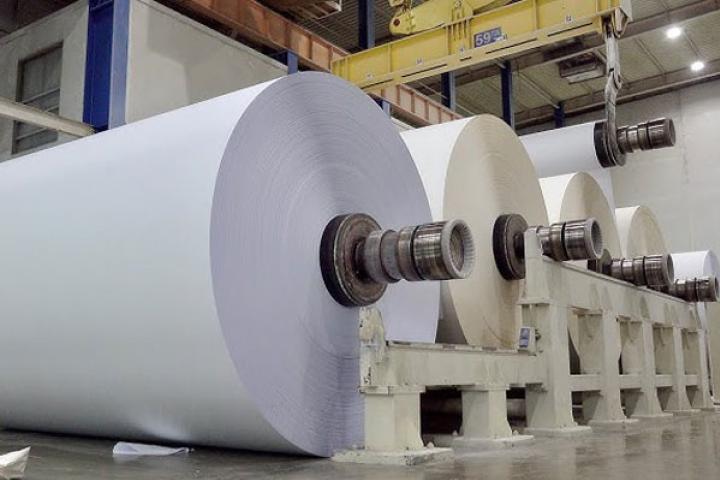
Several materials are used for burger wraps, each offering distinct traits. Wax paper is used for grease resistance and moisture barrier. It keeps juices inside and prevents leaks. However, traditional wax paper can have environmental downsides and limited printing options. Greaseproof paper is favoured for oil resistance and ability to let some moisture pass, which helps buns from becoming soggy. Parchment paper, often used in baking, provides a non-stick surface but may not be as good at blocking grease.
Polyethene-coated paper combines natural paper with a plastic layer. This results in stronger grease and water resistance, suitable for juicy or oily foods. Biodegradable options, often made from plant fibres with water-resistant coating, answer growing demands for sustainable materials. These offer environmental benefits without sacrificing function, although they may cost more. Choice of material depends on factors like type of burger, speed of delivery, and focus on sustainability. Each offers balance between grease barrier, breathability, cost, and eco-friendliness.
How Wrapping Solutions Affect Burger Freshness and Presentation?
Proper wrapping affects the freshness and appearance of burgers. A good wrap prevents juices from pooling and soaking bread. This maintains ideal texture—soft inside with slightly crisp bun. Without powerful wrapping, burgers can turn out to be soggy or lose heat quickly, each of which degrade the best. Wrapping also consists of sauces and oils, stopping them from leaking onto arms or wrapping surfaces during handling and consuming. This keeps customers’ fingers purifier and decreases complaints about messy food.
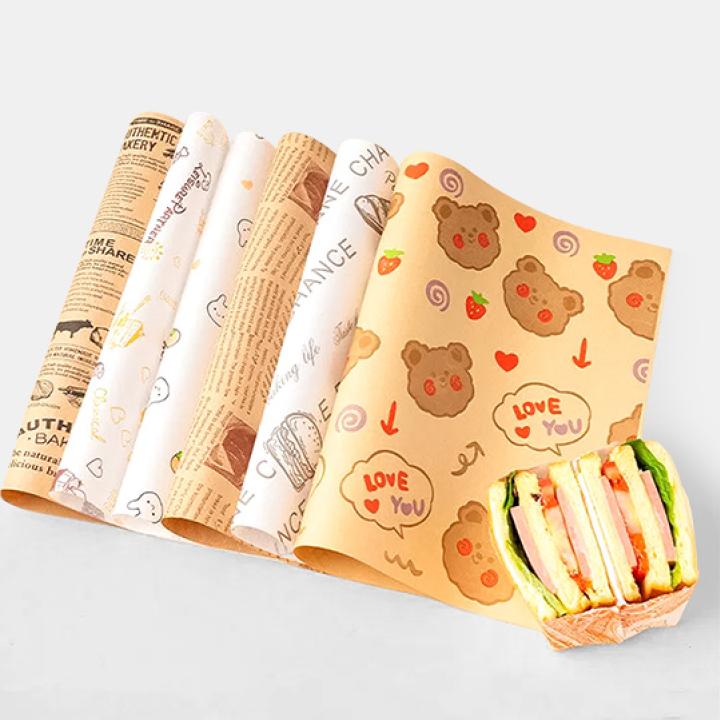
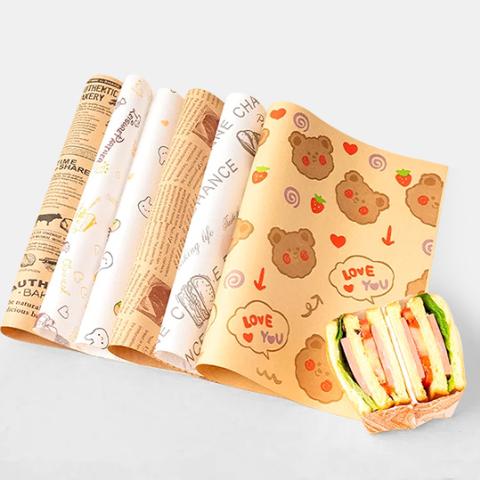
When burgers arrive unwrapped or poorly wrapped in takeout, food can shift, sauces spill, and typical enjoyment suffers. From presentation view, wraps with clean and no grease marks make food look more appealing. Custom printed burger paper with designs or logos add branding attraction and a feel of care, which positively impacts purchaser belief. Wrapping solutions supporting these factors help restaurants create better products and experiences for diners.
Trends in Burger Wrapping Solutions
Recent trends in burger wrapping replicate functionality, sustainability, and branding. Eco-friendly alternatives crafted from biodegradable or compostable materials are popular as clients demand alternatives. These wraps meet needs of quick food shops and burger shops wanting to reduce environmental impact without dropping wrap performance. Another fashion is custom printing on burger wrappers.
Restaurants, together with chains and startups, use complete-colour prints, logos, or messaging on wraps to force brand visibility and customer connection. These printed wrappers serve more than one role as fresh food protection and advertising equipment. Advances in wrap technology also focus on enhancing grease and moisture limitations without sacrificing breathability. Some producers produce laminated or covered papers that allow steam to break out but oils contained, useful for hot, juicy burgers needing careful wrapping. Also, rise of delivery and takeout drives need for wraps that maintain product quality through transit. Wrappers designed for better heat retention and resistance to leaks help restaurants preserve burger quality.
Choosing Right Wrapping Solution
Choosing best burger wrapping involves balancing product needs, cost, and customer expectations. Material choice should align with type of food, service >
Working with reliable suppliers is important for quality, consistent supply, and customization. Suppliers familiar with food standards and wrapping trends can recommend ideal materials and designs. WaxPapersHub offers wide range of printed wax paper solutions meeting diverse needs, including greaseproof, coated, and eco-friendly options. Their ability to provide custom print supports branding while ensuring food safety compliance. WaxPapersHub is resource for restaurants and startups seeking wrapping that combines form and function.
WaxPapersHub Wrapping Solutions for Juicy Burgers
WaxPapersHub’s products include greaseproof and polyethene-coated papers designed for greasy, moist foods like burgers. These papers prevent leaks and maintain burger texture by managing moisture and oil well. They also offer environmentally conscious alternatives like compostable papers made from plant fibres. These materials answer sustainability demands without compromising quality, supporting restaurants in green initiatives.
Customization services at WaxPapersHub allow restaurants to print logos, colors, and messages, enhancing brand identity on every wrapped burger. Their printing technology ensures durability through handling and delivery. Food safety and compliance are priority. WaxPapersHub ensures all materials meet necessary certifications, providing peace of mind for food businesses. Many restaurants and food trucks rely on WaxPapersHub for wrapping sells that protect food and promote brand.
Conclusion
Best wrapping solutions for juicy burgers combine grease and moisture resistance, breathability, temperature retention, and food safety. Wrapping affects burger freshness, appearance, and customer experience. Trends show growing demand for sustainable and custom-printed wraps that meet modern business needs.
Restaurants and food businesses looking for quality, food-safe, and customizable burger wraps can find solutions at WaxPapersHub. Their custom wax paper and related materials support freshness, branding, and environmental goals. Choosing right wrap contributes significantly to serving burgers that satisfy customers from first bite to last.