What Is a Money Laundering Reporting Officer (MLRO)?
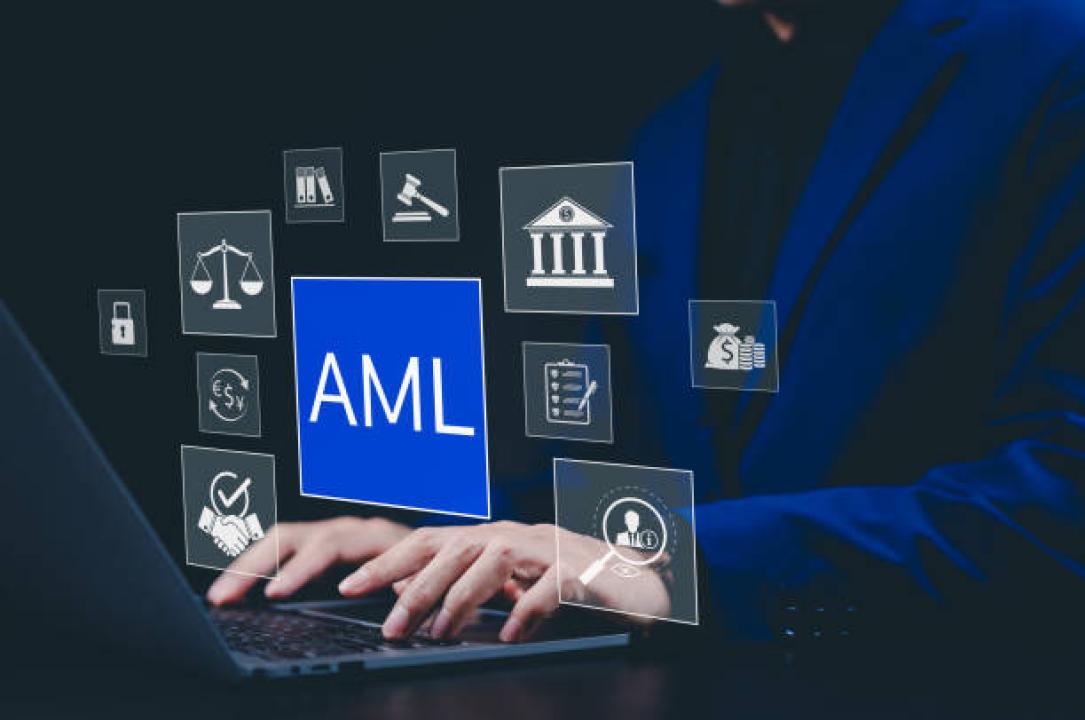
The main actor of an Anti-Money Laundering (AML) system of a company is the Money Laundering Reporting Officer (MLRO). This role will be in charge of making sure that the organization complies with local and international AML laws and efficiently deterring financial offenses like money laundering and terrorist financing.
The appointment of an MLRO is not a mere regulatory formality, but a need. The MLRO becomes the integrity gatekeeper and this is to ensure that the financial institutions are run in a transparent manner and within the confines of the law.
All AML-regulated entities, including banks and fintech startups, have to appoint an MLRO who is able to identify and report suspicious activity, oversee Know Your Customer (KYC) practices, and have a strong compliance culture.
The MLRO and its Importance in an AML Program.
A good AML program must have a leadership and responsibility and that is where the MLRO fits. The officer serves as the main point of contact to regulators and internal teams, and this ensures that there is smooth adherence to AML requirements.
Application of AML Policies and Procedures.
The MLRO drafts and revises the AML policies of the company. These are surveillance systems, suspicious activity escalation measures and compliance reporting policies. This is aimed at making each employee aware of their contribution in averting financial crime.
Employee Education and Enlightenment.
The compliance of AML relies on awareness. The MLRO conducts continuous training to assist the staff to identify red flags, risk of politically exposed persons (PEPs), and correctly perform KYC checks.
Liaising with Authorities
The MLRO is the contact point that the organization has with regulatory bodies like the Financial Conduct Authority (FCA) in the UK. They file Suspicious Activity Reports (SARS) whenever they observe the possibility of money laundering or fraud.
KYC and Identity Verification: The Staples of an MLRO.
Know Your Customer (KYC) and identity verification is at the core of the work of an MLRO. These procedures assist in confirming the identity of the clients and thus criminals cannot use their own or stolen identities.
The KYC Process
KYC under the supervision of the MLRO entails:
Customer Identification: Gathering official documents of identification like passports or national ID.
Due Diligence Checks: The checks are done to determine the financial background of the customer and the intent of their transactions.
Continuous Surveillance: Monitoring the behavior of customers in the long run to identify abnormal behavior.
Significance of Identity Verification.
The MLRO makes sure that identity verification systems are safe, correct, and in accordance with the laws on data protection. Most companies implement AI-based solutions to verify identities, conduct facial recognition, and match databases of people at risk.
Unless it is verified, businesses will face the risk of accepting fraudulent customers and subject themselves to major AML breaches.
Dealing with Politically Exposed Individuals (PEPs).
One of the most sensitive issues of the AML compliance is the handling of politically exposed persons (PEPs). PEPs are those who have access to political influence or hold political positions - government officials or senior executives of state-owned enterprises - and who pose greater risks of corruption and bribery.
Enhanced Due Diligence (EDD)
The MLRO has to make sure that the firms have performed an improved due diligence on all the PEPs. This involves checking the origin of funds, tracking the transactions, as well as conducting periodic reviews to determine any change in status or behavior.
Risk Assessment
The MLRO categorizes PEPs according to their exposure and influence as domestic, foreign, or international organization-related. This assists in establishing the degree of examination needed.
Continuous Monitoring
Regular checks are essential to identify any suspicious financial activities or links which can be a sign of the risk of money laundering.
MLROs can ensure that the organization is not exposed to reputational harm and regulatory fines by well managing PEPs.
Developing a Culture of AML Compliance.
Real AML compliance is not just policy based but it is an attitude in the organization. The MLRO is instrumental in the development of such culture.
Effective Internal Communication.
The MLRO makes sure that AML requirements are well disseminated within the departments. They are also made to report any suspicious activities without any fear of being retaliated against.
Technology Integration
Using RegTech solutions, MLROs combine automated KYC and AML surveillance systems to automate compliance activities. These applications rely on machine learning to identify anomalies and reduce human error.
Periodic Audits and Testing
The MLRO also performs internal audits and stress tests on AML systems on a regular basis to ensure compliance. This assists in determining areas of weakness and taking corrective action in time.
Challenges Faced by MLROs
The responsibility and challenges of being a Money Laundering Reporting Officer (MLRO) are becoming more challenging especially with the advancement of financial crime tactics.
Changing Regulatory Environment.
The laws of AML are constantly evolving, and to be in compliance with the current laws, MLROs must keep up with the changes. The inability to change may result in harsh punishment.
Data and Technology Management.
The technological progress and the privacy and security of data are significant issues that need to be balanced. MLROs should make sure that compliance tools do not violate the AML and data protection laws.
Resource Limitations
Smaller organizations might not have dedicated AML teams, and hence the workload of MLROs becomes heavy. This can be relieved by automation and third party solutions.
The Strategic Value of the MLRO Role.
A good MLRO does not merely make sure that compliance is achieved, he or she contributes to the business strategy. They mitigate the reputation of the company and instill trust in the customers by establishing robust AML systems and adopting advanced identity verification procedures.
Improving Risk Management.
MLROs help to identify the threats early by proactively monitoring and risk assessing them, reducing possible losses.
Trusting Regulatory.
Regulators consider firms that have effective MLROs as accountable. This may result in easier audits and improved working relationship with the supervisory authorities.
Encouraging Ethical Business Conduct.
Through ensuring that all AML processes are ethical, the MLROs help the company to be sustainable in the long term and its image to the community.
Conclusion
The Money laundering reporting officer (MLRO) is the cornerstone of the AML program of any organization, as it guarantees compliance, transparency, and integrity throughout the operations. MLROs can significantly contribute to the protection of the global financial ecosystem through effective Know Your Customer (KYC) practices, state-of-the-art identity verification technologies, and the handling of politically exposed individuals.
Along with the development of financial crimes, the AML frameworks also have to evolve. An experienced MLRO does not only implement the AML compliance but also enhances the ability of a company to withstand new threats- creating a safe and reliable financial future of everyone.