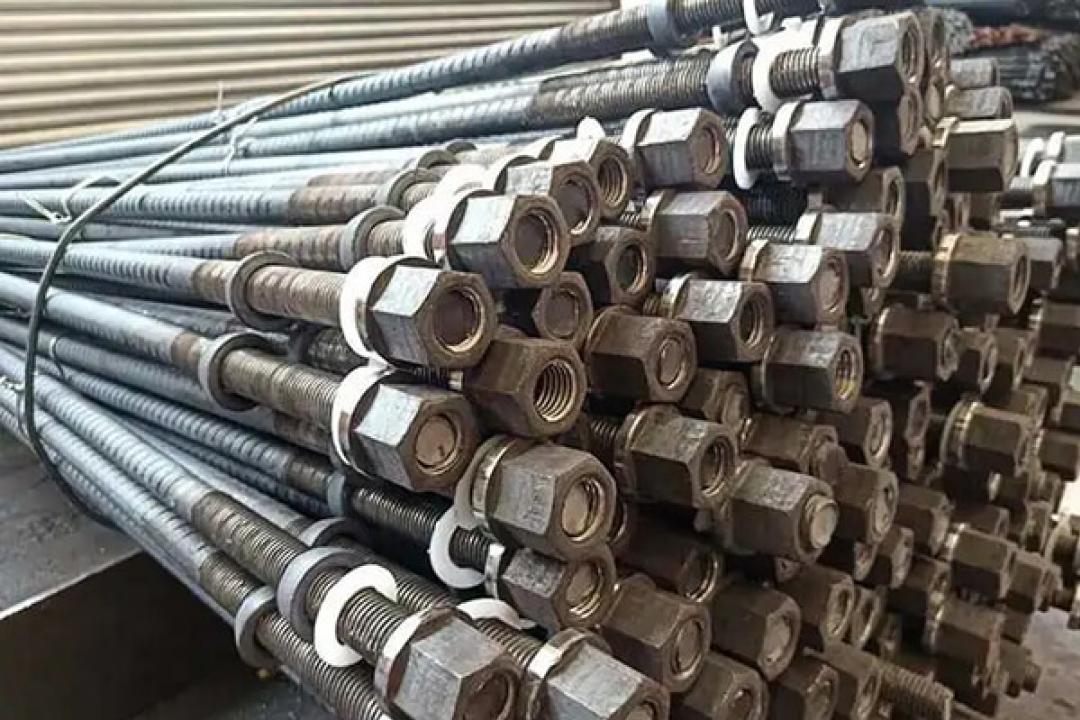
In the world of construction, mining, and tunneling, safety and stability are top priorities. One crucial component that plays a major role in maintaining the integrity of underground structures and rock formations is the Rock Bolt. These simple yet powerful devices are the backbone of modern ground support systems, ensuring that excavations, tunnels, and slopes remain stable and secure.
In this comprehensive overview, we’ll explore what a Rock Bolt is, how it works, its different types, and the various applications where it’s used. We’ll also highlight how trusted suppliers like Argentium provide reliable Rock Bolt solutions for a wide range of industries.
What is a Rock Bolt?
A Rock Bolt is a long, steel anchor that is inserted into rock formations to stabilize them. It acts like a reinforcing bar, holding fractured or loose rock layers together to prevent collapses or displacements. Essentially, it transforms an unstable rock mass into a solid, self-supporting structure.
Think of a Rock Bolt as a vital connection between the natural rock and the man-made structure, ensuring everything stays in place. It’s commonly used in underground mines, tunnels, slopes, caverns, and other excavations where ground support is critical.
The innovation of Rock Bolts has transformed the way engineers handle rock stability, making it possible to design safer and longer-lasting structures even in challenging geological conditions.
How Does a Rock Bolt Work?
The working principle of a Rock Bolt is based on tension and anchorage. When installed, the Rock Bolt transfers the load from the unstable rock surface to the stable interior layers. This creates a compressive force that holds the rock layers together, reducing movement and increasing overall stability. Here’s a step-by-step breakdown of how a typical Rock Bolt functions:
- Drilling: A hole is drilled into the rock at a specific depth and angle, depending on the geological conditions.
- Insertion: The Rock Bolt is inserted into the drilled hole.
- Anchoring: The bolt is secured using different methods such as resin grouting, mechanical expansion, or cement grouting.
- Tensioning: Once anchored, the bolt is tensioned using a nut or plate to create compressive stress that locks the rock layers in place.
By distributing stress evenly, Rock Bolts help prevent rockfalls, slippages, and collapses, ensuring the longevity of underground and open-cut structures.
Types of Rock Bolts
There isn’t just one type of Rock Bolt, in fact, there are several, each designed for different ground conditions and applications. Understanding the different types helps engineers choose the right one for the job.
1. Mechanical Rock Bolts
These bolts use mechanical anchors to create friction within the hole. They’re easy to install and ideal for immediate load-bearing applications.
2. Resin-Grouted Rock Bolts
In these systems, resin cartridges are inserted into the drilled hole before the Rock Bolt is installed. The rotation of the bolt mixes the resin, creating a strong bond between the bolt and the rock.
3. Cement-Grouted Rock Bolts
Used for long-term support, cement-grouted bolts offer strong and permanent anchorage. They’re commonly used in tunnels and mining operations.
4. Friction Rock Bolts (Split Sets)
These Rock Bolts rely on frictional resistance. When the bolt is inserted, it expands slightly to grip the rock surface. They’re often used in mining and temporary support applications.
5. Cable Bolts
Cable bolts are longer and more flexible versions of Rock Bolts, often used for deep excavation projects. They provide support over larger areas and are ideal for highly fractured rock masses.
At Argentium, engineers and geotechnical experts ensure that each Rock Bolt type is designed, tested, and manufactured according to international quality standards, ensuring durability and safety in all environments.
Applications of Rock Bolts
The versatility of Rock Bolts makes them essential across multiple industries. Let’s look at some of their most common applications:
1. Mining Industry
In underground mining, Rock Bolts provide immediate support after excavation. They prevent roof falls and collapses, ensuring worker safety and structural stability.
2. Tunnel Construction
Tunnels for transportation, utilities, and hydropower rely heavily on Rock Bolts to maintain the surrounding rock’s integrity during and after excavation.
3. Slope Stabilization
On highways, railways, and dams, Rock Bolts stabilize natural and cut slopes, preventing landslides and erosion.
4. Civil Engineering Projects
From underground parking structures to subways and foundations, Rock Bolts are crucial in maintaining structural reliability.
5. Hydroelectric Projects
In hydro tunnels and dam construction, Rock Bolts provide long-term stability against water pressure and geological shifts.
Argentium supplies advanced Rock Bolt systems for each of these industries, ensuring that projects are both safe and efficient.
Benefits of Using Rock Bolts Using Rock Bolts offers a wide range of benefits, both from an engineering and economic standpoint:
- Enhanced Stability: Reinforces rock structures and prevents displacement.
- Cost-Effective: Reduces the need for heavy concrete linings or support structures.
- Quick Installation: Easy to install with minimal labor and equipment.
- Long-Lasting Durability: Provides years of structural support with minimal maintenance.
- Adaptability: Suitable for different rock conditions, environments, and load requirements.
Thanks to continuous innovation from companies like Argentium, modern Rock Bolt systems are stronger, more reliable, and easier to install than ever before.
Why Choose Argentium Rock Bolts?
When it comes to selecting ground support systems, quality and reliability matter most. Argentium stands out as a trusted provider of Rock Bolt solutions that meet global safety and performance standards.
Here’s why engineers and contractors prefer Argentium:
- Precision Manufacturing: Every Rock Bolt is engineered for accuracy and strength.
- Material Excellence: High-grade steel ensures superior performance under stress.
- Customization Options: Tailored Rock Bolt designs to match project-specific needs.
- Technical Expertise: Experienced professionals offering end-to-end support.
With Argentium, you’re not just buying a product, you’re investing in performance, safety, and long-term stability.
Conclusion
The Rock Bolt might seem like a small component, but its impact on construction and mining safety is immense. From stabilizing slopes to securing massive tunnels, Rock Bolts ensure that structures remain safe and durable even under extreme geological conditions.
With continuous advancements in technology and material science, Rock Bolts will continue to evolve, offering even better performance and reliability. And with industry leaders like Argentium, you can be confident that every Rock Bolt used in your project is designed for strength, precision, and lasting support.