
The modern workplace has evolved beyond cubicles and conference rooms. As businesses adapt to hybrid work and employee well-being takes center stage, office design is becoming a strategic tool for performance and culture. Companies are investing in creative layouts that promote collaboration, focus, and comfort while reflecting their brand values. A well-designed workspace isn’t just visually appealing—it’s a catalyst for innovation and productivity.
That’s where corporate office interior design plays a transformative role. By blending functionality, flexibility, and aesthetics, it redefines how employees connect, create, and contribute. The latest trends focus on human-centered design principles, sustainability, and technology integration to shape the workplace of the future.
1. Biophilic Design That Brings Nature Indoors
Biophilic design continues to dominate workplace trends because of its proven benefits to mental health and focus. Incorporating natural elements connects employees to the environment, reducing stress and increasing satisfaction.
Natural materials: The use of wood, stone, and organic textures fosters warmth and authenticity.
Green spaces: Indoor plants, vertical gardens, and living walls improve air quality and create a refreshing atmosphere.
Daylight optimization: Maximizing natural light through open layouts and large windows boosts energy levels and reduces eye strain.
This design philosophy not only enhances aesthetics but also promotes cognitive well-being and productivity.
2. Flexible Work Zones for Hybrid Teams
The hybrid work model demands flexibility in how office spaces are used. Fixed desks and rigid layouts are being replaced by multi-purpose environments that adapt to daily needs.
Hot-desking areas: Employees can choose where to sit based on the type of work they’re doing.
Collaborative zones: Open lounges and brainstorming areas encourage teamwork and idea exchange.
Quiet pods: Soundproof booths or enclosed spaces give individuals privacy for deep-focus tasks.
Flexibility allows companies to optimize square footage while accommodating different work >
3. Technology-Integrated Smart Offices
Technology is no longer confined to computers and meeting screens—it’s now embedded in the workspace itself. Smart offices use connected systems to streamline workflows and enhance the employee experience.
Automated lighting and climate control: Sensors adjust brightness and temperature based on occupancy and time of day.
Touchless systems: Motion-activated doors, faucets, and elevators improve hygiene and accessibility.
Digital collaboration tools: Integrated screens and conferencing setups bridge the gap between on-site and remote teams.
Tech integration supports efficiency, sustainability, and seamless communication across hybrid environments.
4. Wellness-Centered Design Philosophy
Modern workplaces prioritize employee wellness as part of their core design. The goal is to reduce fatigue and promote physical and emotional health through ergonomic and thoughtful spaces.
Ergonomic furniture: Adjustable chairs, desks, and monitor arms reduce strain during long working hours.
Dedicated wellness zones: Meditation rooms, fitness spaces, or nap pods support mental rejuvenation.
Clean air systems: Air purifiers and ventilation upgrades maintain optimal indoor air quality.
Wellness-focused design enhances engagement, reduces absenteeism, and fosters a happier, more balanced workforce.
5. Sustainable and Eco-Conscious Materials
Sustainability has become a standard expectation in office design. Businesses are making conscious choices to reduce environmental impact without compromising aesthetics.
Recycled materials: Using reclaimed wood, metal, or glass contributes to circular construction practices.
Low-VOC finishes: Non-toxic paints and sealants improve air quality while protecting the environment.
Energy efficiency: LED lighting, motion sensors, and smart energy systems reduce long-term operational costs.
Eco-conscious design not only benefits the planet but also appeals to socially responsible employees and clients.
6. Open Collaboration Meets Acoustic Comfort
While open offices encourage teamwork, noise management remains a top concern. Modern designs balance openness with strategic sound control to ensure focus and privacy coexist.
Acoustic panels: Wall and ceiling treatments absorb sound without compromising design aesthetics.
Zoned layouts: Grouping departments or creating semi-enclosed pods minimizes noise distractions.
Soft furnishings: Upholstered seating, carpets, and curtains naturally dampen ambient sound.
Acoustically balanced spaces encourage collaboration while maintaining a comfortable environment for focused work.
7. Personalized and Brand-Reflective Spaces
Workplace design now reflects company identity and culture. Employees feel more connected when the environment aligns with organizational values.
Custom color schemes: Branded colors reinforce identity and foster team unity.
Localized art and decor: Showcasing regional artists or cultural motifs creates a sense of belonging.
Employee input: Allowing staff to personalize areas promotes ownership and morale.
Personalized design not only enhances visual appeal but also strengthens emotional connection to the brand.
8. Minimalist Aesthetics With Functional Depth
Minimalism continues to influence office interiors, emphasizing clarity and focus while eliminating clutter. However, modern minimalism blends simplicity with comfort and usability.
Streamlined furniture: Clean lines and multipurpose designs keep spaces open yet practical.
Neutral palettes: Whites, grays, and soft earth tones promote calm and professionalism.
Subtle layering: Textures, lighting variations, and natural materials add depth without visual overload.
The result is an environment that feels orderly, inspiring, and conducive to productivity.
Designing for the Future of Work
As the nature of work evolves, offices are transforming into multi-sensory ecosystems that support creativity, collaboration, and well-being. The best designs adapt to technology and human behavior simultaneously.
Human-first approach: Successful workplaces prioritize comfort, autonomy, and inclusivity.
Scalable infrastructure: Flexible layouts allow easy expansion or reconfiguration as business needs shift.
Experience-driven design: The focus is on creating spaces employees genuinely enjoy being in, improving retention and motivation.
The workplaces of the future are dynamic, emotionally intelligent, and built to adapt.
The Role of Lighting and Texture in Modern Design
Lighting and texture define the tone of a workspace. They determine how employees perceive space and interact with it.
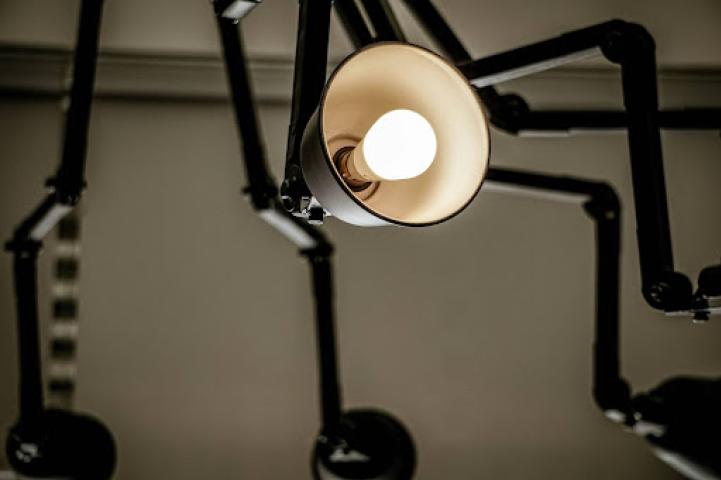
Layered lighting: Combining ambient, task, and accent lighting creates depth and balance.
Natural finishes: Surfaces like exposed concrete, wood, and woven fabrics bring warmth to modern offices.
Contrast and focus: Textural variation adds dimension, while lighting guides attention to key areas.
Thoughtful lighting and tactile design enhance comfort and improve overall visual experience.
Encouraging Movement and Active Design
Static environments can harm posture and energy levels. Active design principles incorporate movement into daily routines to promote better health.
Sit-stand desks: Employees can alternate positions throughout the day, reducing fatigue.
Circulation pathways: Wide hallways and open layouts encourage walking and informal interaction.
Collaborative corners: Standing meeting tables and casual lounges stimulate creativity through movement.
Encouraging activity helps maintain employee wellness and engagement without disrupting workflow.
How Technology and Design Work Together
Technology and design are merging to create intuitive workspaces where functionality feels effortless. Smart systems now anticipate needs and optimize comfort automatically.
Integrated sensors: Adjust lighting, temperature, and air circulation based on real-time occupancy data.
Digital scheduling tools: Conference rooms and desks can be booked seamlessly through mobile apps.
Augmented reality visualization: Designers and clients can preview layouts before construction begins.
This fusion of design and technology transforms the workplace into an intelligent, adaptive environment.
The Impact of Community Spaces on Company Culture
Modern offices emphasize connection. Community spaces like cafes, lounges, and multi-use hubs foster casual collaboration and camaraderie.
Social interaction zones: Shared spaces encourage spontaneous discussions and relationship building.
Cultural integration: Regular use of communal areas strengthens company identity and belonging.
Inclusive seating: Flexible arrangements ensure accessibility and comfort for all employees.
By designing spaces that promote community, organizations nurture collaboration and collective purpose.
Conclusion
The evolution of workplace design is driven by the need for flexibility, technology integration, and well-being. Every element—from light and texture to acoustics and layout—works together to enhance the employee experience. Midway through this design evolution, construction trades services ensure that architectural vision and practical execution align seamlessly. By embracing these trends, businesses can create inspiring work environments that empower people, support collaboration, and adapt to the demands of the modern workforce.