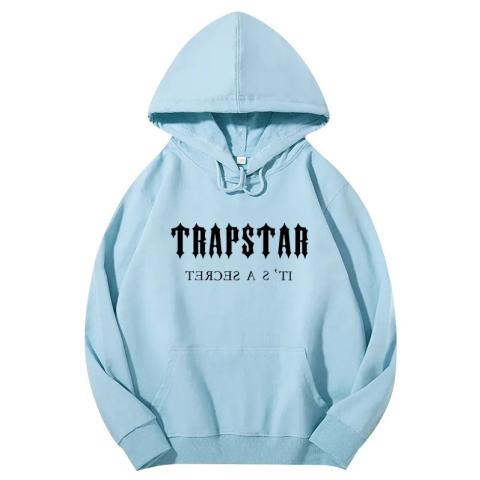
Streetwear is no longer just an influence in Poland—it’s a movement. Across cities like Warsaw, Poznań, and Gdańsk, young creatives are embracing street culture and global fashion with serious energy. Two brands stand out in this wave: Stussy and Trapstar. With roots in rebellion and music, they fit perfectly into Poland’s rising fashion identity. Whether it’s oversized Stussy shirts spotted in skateparks or Trapstar puffers dominating winter looks, these brands are everywhere. But it’s not just about the clothes—it’s the attitude. Polish streetwear lovers aren’t just following trends. They’re flipping them, styling them their own way, and making their mark on the global fashion map.
Stussy: From Surf Roots to Polish Icons
Stussy began as a surfwear label in 1980s California—but today, it’s part of the DNA of modern streetwear. What makes Stussy special is how it never chases trends. Its cool is effortless. In Poland, that laid-back energy appeals to a generation that values individuality and self-expression. You’ll see students in Kraków layering Stussy jackets with vintage jeans or artists in Wrocław styling graphic tees with thrifted accessories. Stussy fits into Polish life like it was always meant to be there. It’s retro and relevant at the same time. For many, wearing Stussy is more than a >
Trapstar: Silent but Loud
Trapstar is all about mystery, power, and presence. Its London roots are tied to the underground grime and drill scenes—but its reach is now global, and Poland is paying close attention. Young people across Polish cities are wearing Trapstar with pride—not just for its edgy aesthetic, but for what it represents: ambition, hustle, and authenticity. Its “It’s A Secret” slogan adds to the appeal, making every drop feel exclusive. Whether it’s a blacked-out hoodie or a standout varsity jacket, Trapstar gear demands respect. In Poland’s growing hip-hop and urban music culture, Trapstar is becoming the go-to brand for those who want to be seen and heard without saying a word.
From Global Streets to Polish Blocks
Streetwear used to feel distant in Poland, but thanks to social media, music, and resale culture, it’s now embedded in the local life>Stussy and Trapstar, once limited to Instagram posts and overseas shopping, are now part of daily life. Polish youth follow every drop, track releases, and build online communities around these brands. What’s interesting is how these global labels are being interpreted locally. Rather than copy-pasting Western looks, Polish fashion lovers mix international brands with thrift finds, vintage military, and Eastern European heritage wear. It’s not just influence—it’s innovation. Global fashion is landing in Poland, but it's getting a whole new remix.
Streetwear and Soundtracks: The Polish Link
Fashion and music always walk side by side—and in Poland, that bond is strong. Rising Polish rappers and producers are playing a key role in popularizing brands like Trapstar and Stussy. Artists like Sarius, Szpaku, and Białas are often spotted wearing these labels in videos, live shows, and social media. Fans quickly follow their lead, seeing these pieces as a way to connect with the culture they love. In many ways, clothing becomes part of the music experience. When a rapper steps out in Trapstar during a sold-out Warsaw gig, it’s not just an outfit—it’s an extension of the sound, the message, and the movement.
Hype in the Hunt: Polish Resale Culture
The rise of limited drops has completely changed how Polish fashion fans shop. Gone are the days of walking into a store and grabbing what you want. Now, it’s all about the hunt. Whether it’s a rare Stussy x Nike collab or a sold-out Trapstar tracksuit, Polish streetwear lovers are on it. Telegram groups, sneaker forums, and resale pages on Instagram have become hotspots for sourcing and flipping gear. Many young Poles have turned reselling into a side hustle, while others chase drops purely for the flex. The scarcity makes the reward sweeter—and the streetwear game in Poland more exciting than ever.
Cold Weather, Hot Fits
Poland’s seasons demand creativity—especially in winter. But that hasn’t slowed the streetwear wave. Brands like Trapstar, known for their bold puffer jackets and heavyweight outerwear, are a perfect match for Poland’s chilly climate. At the same time, Stussy offers layers that transition well from summer skate sessions to winter layering. You’ll see Trapstar puffers over hoodies and joggers, or Stussy fleece paired with cargo pants and boots. Streetwear here isn’t just stylish—it’s smart. It adapts to the weather without losing the vibe. That’s why both brands are thriving in Poland: they’re not just fashionable, they’re functional—and built for the streets.
Local Flavor Meets Global Brands
What makes Poland’s streetwear scene unique is how it merges big-name brands with local identity. A Polish teen might wear a Stussy tee, but > paired with thrifted bags from flea markets in Katowice. This mix gives Polish streetwear a raw, unfiltered personality. People aren’t trying to look like everyone else—they’re trying to look like themselves. Stussy and Trapstar may be global, but in Poland, they’re worn with a very local twist. And that’s exactly what streetwear is all about: creating something personal from something universal.
Streetwear Is a Mindset
For many in Poland, wearing Stussy or Trapstar isn’t about being trendy—it’s about representing a mindset. These brands symbolize hustle, creativity, and standing for something. Whether you’re a skater, rapper, visual artist, or just someone who loves fashion, these labels are a way to express who you are. In a society still balancing tradition and modernity, streetwear offers young people freedom. You don’t have to fit into a box. You don’t need a label—just a look that speaks for you. That’s why Stussy and Trapstar are so powerful in Poland: they aren’t just worn, they’re lived.
Poland’s Streetwear Future Looks Solid
The streetwear scene in Poland is no longer underground—it’s building real momentum. Brands like Stussy and Trapstar have helped lay the foundation, but the future is going to be driven by local voices, independent designers, and a culture that refuses to be boxed in. Expect more events, more collaborations, and more spotlight on Poland’s fashion talents. What was once a niche interest is now a growing industry—and Poland is ready to take a bigger piece of the global fashion pie. The streets are speaking, and they’re not whispering. From Warsaw to the world, this is only the beginning.