The Rising Demand for Full Stack Developers
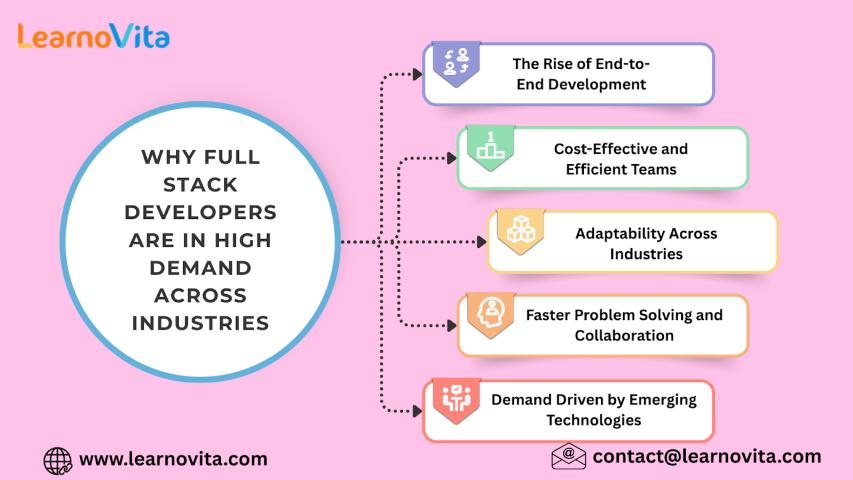
Full stack development has become a crucial skill in the IT industry. Reports from LinkedIn in 2024 indicate that full stack developers are among the top 10 most in-demand tech roles, as companies increasingly require professionals who can manage both front-end and back-end development. Many learners struggle, however, to transition from learning individual languages like HTML, CSS, or JavaScript to building complete, functional applications. Traditional education often separates front-end and back-end learning, leaving students unprepared to handle real-world projects.
Common challenges faced by learners include:
-
Difficulty integrating user interfaces with server-side logic.
-
Limited experience with database management and API integration.
-
Lack of understanding of deployment and version control workflows.
Without structured guidance, it can take months for learners to gain the practical skills necessary to be job-ready.
Agitate: Why Self-Learning Alone May Not Work
Many aspiring developers attempt to learn full stack development independently through online tutorials or free resources. While helpful for theory, self-learning often leaves significant gaps:
-
Learners may struggle to apply concepts in real-world scenarios.
-
Limited exposure to tools like Git, Node.js, and React for full-stack projects.
-
Difficulty building complete, functional applications suitable for portfolios or job interviews.
Industry feedback highlights that employers prefer candidates with demonstrable project experience, meaning self-study alone is often insufficient for securing professional roles.
Solution: Structured Full Stack Development Courses with Hands-On Learning
A professional Full Stack Development Course combines theoretical learning with project-based exercises, enabling students to gain practical, end-to-end development skills.
Key components of a structured course include:
-
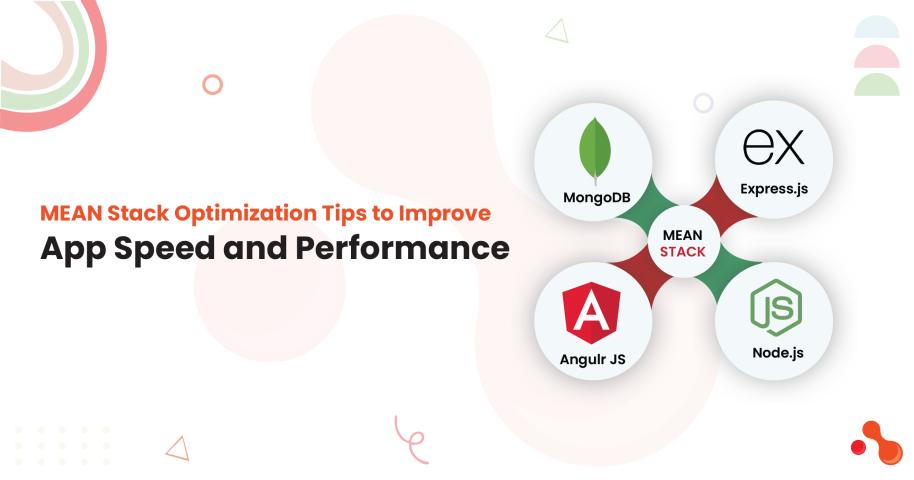
Front-End Development: HTML, CSS, JavaScript, and frameworks like React or Angular for building responsive interfaces.
-
Back-End Development: Node.js, PHP, Express.js, and other server-side technologies.
-
Database Management: MySQL, MongoDB, and techniques for efficient data storage and retrieval.
-
Version Control and Deployment: Git, GitHub, and cloud deployment practices.
-
Project-Based Learning: Building real applications from scratch that combine front-end and back-end functionality.
These hands-on projects allow learners to practice integration, debugging, and performance optimization, which are critical skills for professional development roles.
How Skills Matrix Supports Full Stack Learning
Skills Matrix emphasizes practical, industry-aligned training designed to bridge the gap between learning and professional application.
Key benefits include:
-
Live Projects: Students work on complete web applications to gain end-to-end development experience.
-
Updated Curriculum: Modules reflect current industry trends, frameworks, and best practices.
-
Tool-Based Learning: Exposure to Git, cloud platforms, APIs, and other essential development tools.
-
Career Guidance: Support for building project portfolios, preparing for technical interviews, and understanding workplace expectations.
This approach ensures learners develop market-ready skills and confidence to contribute effectively to development projects immediately after training.
Final Thoughts
Full-stack development combines creativity, technical expertise, and problem-solving. A structured Full Stack Development Course equips learners with the skills necessary to design, build, and deploy complete web applications.
By focusing on hands-on projects, tool proficiency, and real-world workflows, institutes like Skills Matrix help learners gain the experience required to transition from theory to professional application, preparing them for competitive roles in IT development teams.