Wound care is a critical component of medical practice, spanning from emergency first aid to chronic wound management. Central to this process is the application of wound dressings—materials specifically designed to interact with damaged tissue to facilitate healing. While the concept of covering injuries dates back centuries, modern wound dressings have evolved into sophisticated medical devices with multifaceted functions. This article explores the primary purposes of wound dressings, their mechanisms of action, and their role in contemporary healthcare.
1. Creating a Sterile Barrier Against Infection
The most fundamental function of wound dressings is to establish a sterile barrier between the wound and the external environment. Open wounds compromise the skin’s protective integrity, exposing underlying tissues to pathogens such as bacteria, viruses, and fungi. A 2023 review in PubMed emphasized that even minor abrasions can become gateways for systemic infections if left unprotected. Modern dressings are manufactured under strict sterile conditions, with packaging indicating expiration dates to ensure efficacy. For example, transparent film dressings—composed of polymer membranes—create an adhesive seal that prevents microbial entry while allowing gas exchange. This dual function is particularly vital in surgical wounds, where post-operative infection rates can exceed 5% without proper coverage.
2. Maintaining a Moist Wound Environment
Contrary to historical practices of letting wounds "dry out," contemporary research underscores the importance of moisture in healing. A moist environment promotes cell migration, granulation tissue formation, and epithelialization—key processes in tissue repair. Hydrogel dressings, which consist of 90% water embedded in a gel matrix, exemplify this principle. These dressings donate moisture to dry or necrotic wounds, facilitating autolytic debridement (the body’s natural breakdown of dead tissue). Clinical studies demonstrate that wounds treated with hydrogels heal 30% faster than those left to air-dry. Similarly, foam dressings made of polyurethane retain exudate while preventing maceration, striking a balance between hydration and dryness.
3. Managing Exudate and Fluid Balance
Wounds produce varying levels of exudate—a fluid containing proteins, enzymes, and white blood cells—as part of the inflammatory response. Excessive exudate can lead to maceration (softening of healthy skin), while insufficient drainage may result in tissue breakdown. Alginate dressings, derived from seaweed, address this challenge by absorbing up to 20 times their weight in fluid. When in contact with exudate, they form a gel-like substance that maintains a moist environment while containing leakage. This property is invaluable in managing venous leg ulcers, which often produce copious amounts of fluid. Conversely, hydrocolloid dressings—containing gel-forming agents like pectin—swell to absorb moderate exudate, creating a controlled healing microenvironment.
4. Delivering Therapeutic Agents
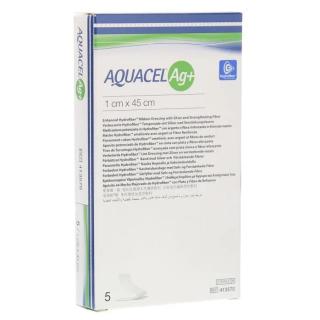
Advanced wound dressings incorporate active ingredients to enhance healing. Silver-impregnated dressings, for instance, leverage the antimicrobial properties of silver ions to reduce bacterial colonization. A 2022 study in The Journal of Wound Care found that silver dressings decreased infection rates by 42% in diabetic foot ulcers. Antiseptic dressings containing chlorhexidine or iodine provide similar benefits for infected wounds. Pain management is another consideration; hydrogel dressings with cooling gels alleviate discomfort in burns and necrotic wounds. Pharmacists and nurses often select dressings based on their ability to deliver localized therapy without systemic side effects.
5. Protecting Against Mechanical Trauma
Wounds are vulnerable to re-injury from friction, pressure, or impact. Foam dressings act as cushions, absorbing shear forces in pressure ulcers or skin grafts. Silicone-based dressings, known for their atraumatic removal, minimize pain during dressing changes—a critical feature for pediatric or geriatric patients. Transparent films allow visual inspection without disrupting the wound bed, reducing the need for frequent manipulations. In orthopedic settings, specialized dressings protect surgical incisions from movement-related stress, lowering dehiscence (wound reopening) risks.
6. Facilitating Debridement and Tissue Repair
Debridement—the removal of non-viable tissue—is essential for progression to the proliferative phase of healing. Hydrogel dressings soften eschar (dead tissue), enabling autolytic debridement. Enzymatic dressings containing collagenase or papain accelerate this process chemically. For heavily infected wounds, wet-to-dry dressings (though increasingly replaced by gentler methods) mechanically lift debris as they dry. Modern composite dressings combine multiple functions; for example, a foam-alginate hybrid manages exudate while promoting granulation.
Conclusion
Wound dressings are indispensable tools in modern healthcare, serving as dynamic interfaces between damaged tissue and the healing environment. Their roles extend beyond mere coverage: they prevent infection, optimize moisture levels, manage fluid balance, deliver targeted therapies, protect against trauma, and expedite tissue repair. The evolution of wound dressings—from basic gauze to smart materials infused with biotechnology—reflects a deeper understanding of wound pathophysiology. As research advances, wound dressings will continue to incorporate innovative features such as biosensors for real-time monitoring or growth factors for accelerated healing. Ultimately, the judicious selection and application of wound dressings remain central to achieving optimal patient outcomes, underscoring their irreplaceable value in both acute and chronic care settings.