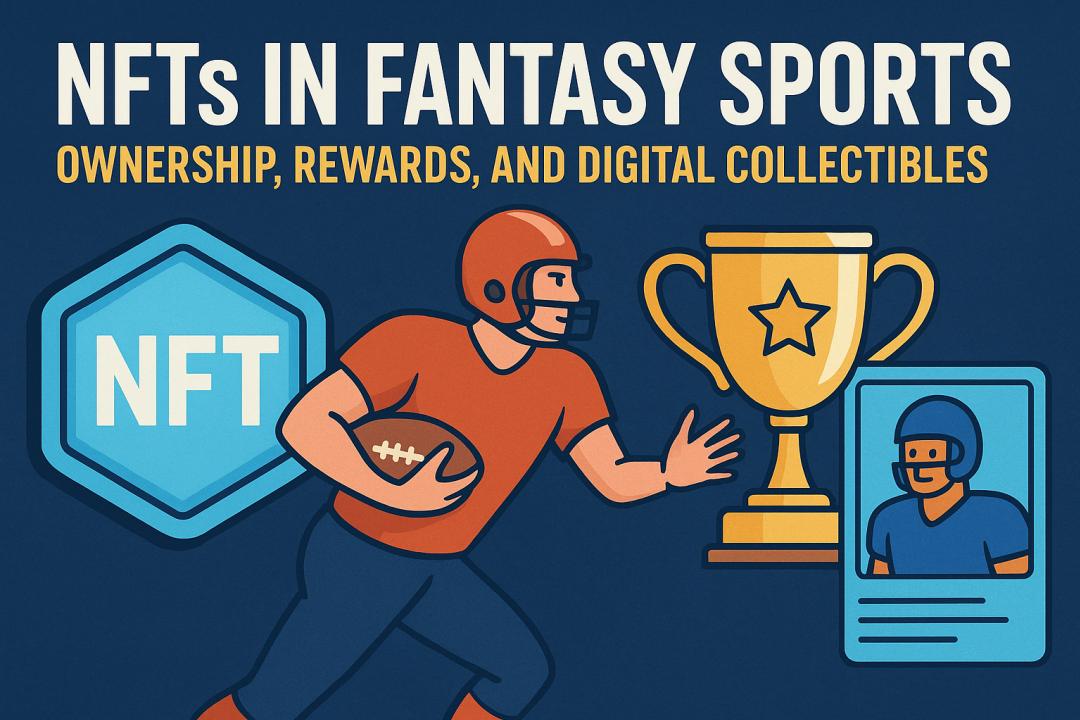
Fantasy sports are not the same anymore. They have gone beyond team management and score predictions. The biggest shift today in fantasy sports is NFTs, a.k.a Non-fungible Tokens.
The NFTs in fantasy sports are a new way to give players the ownership, rewards, and unique collectibles within fantasy platforms. As NFT fantasy sports is rapidly gaining popularity, blockchain technology is reshaping how fans interact with their favorite games, teams, and players.
What Are NFTs in Fantasy Sports?
NFTs are unique digital assets that cannot be replaced or copied. In fantasy sports, NFTs represent player cards, trophies, team assets, or rare digital collectibles. These NFTs can be owned, traded, or even used to enhance the fantasy gaming experience.
For example, if a player owns an NFT card, then they might be granted exclusive access to contests, higher point multipliers, or limited-edition prizes. Unlike traditional in-game items that stay locked inside a single platform, NFTs can be stored in crypto wallets and traded on Web3 fantasy NFT marketplaces.
This is transforming the traditional fantasy model into something more engaging, NFT fantasy games where skill, ownership, and rewards coexist.
The Rise of NFT Fantasy Ownership
Earlier, fantasy sports only allowed you to pick players temporarily. Your team gets reset once the season ends. But with NFT fantasy ownership, users can permanently own player assets and build a digital collection that grows in value over time.
- True Ownership: Your player NFTs belong to you, not the platform.
- Tradeable Assets: Sell or trade your cards across marketplaces.
- Interoperability: Use your NFT cards across multiple fantasy apps built on compatible blockchains.
These features enhance long-term engagement. Instead of starting from scratch each season, the users can carry forward their NFT assets and build a personal fantasy legacy.
How Blockchain Powers Fantasy Collectibles
Behind every NFT in fantasy sports is blockchain technology that ensures transparency and authenticity. Each NFT is stored on a blockchain ledger. Every NFT records its ownership and transaction history.
Here is how blockchain enhances fantasy collectibles:
- Proof of Authenticity: Every NFT is unique and verifiable on the blockchain.
- Transparency in Rewards: Smart contracts automatically distribute NFT rewards in fantasy apps based on performance or milestones.
- Secure Transactions: Ownership transfers happen securely without intermediaries.
- Scarcity and Value: Limited-edition NFTs maintain their rarity and increase in worth over time.
Rewards and Utility: Beyond Collecting
NFTs are more than digital cards. Now they have real-world and in-game utility. Players can earn, redeem, or stake NFTs to unlock premium experiences.
Some common NFT rewards in fantasy apps include:
- Performance-based NFTs: Earn NFTs when your fantasy team ranks high in tournaments.
- Achievement NFTs: Unlock badges or trophies for hitting milestones.
- Redeemable NFTs: Exchange NFTs for merchandise, match tickets, or exclusive game features.
Tokenized Fantasy Sports: Turning Players into Digital Assets
Tokenization allows real-world players and game elements to become digital assets. In tokenized fantasy sports, players can own fractional NFTs of their favourite players, clubs, or fantasy leagues. These tokens might give special privileges such as access to private contests or voting rights in community-driven tournaments.
For example:
A football fan can buy a share of a top striker’s NFT card.
The value of that NFT may increase with the player’s real-world performance.
Fans can trade these NFTs like collectibles or hold them for future tournaments.
This concept bridges the gap between fantasy gaming and sports investing, giving users both entertainment and potential financial rewards.
Web3 Fantasy NFT Marketplaces: The New Trading Hub
Web3 has enabled decentralized marketplaces where fans can buy, sell, or auction fantasy NFTs. These marketplaces operate without middlemen and ensure that the creators and users earn more value.
Some key benefits of Web3 fantasy NFT marketplaces include:
- Peer-to-Peer Trading: Direct transactions between users.
- Royalties for Creators: Original creators earn a small fee each time an NFT is resold.
- Multi-Game Use: NFTs can be used across multiple fantasy platforms that share blockchain compatibility.
These marketplaces encourage community engagement and sustain the economy of NFT trading cards in fantasy sports.
The Future of NFT Fantasy Games in 2026
In 2026, NFT fantasy games are expected to become mainstream. Several platforms are already experimenting with dynamic NFTs that change things that are based on player performance or match results. Imagine a player NFT that upgrades its attributes when your favorite cricketer scores a century or when your footballer wins a championship.
In addition to this, integration with sports betting platform development will create hybrid ecosystems where users can use NFTs not just for fantasy teams, but also for predictions, staking, and virtual tournaments.
As regulations and blockchain adoption grow, these NFT-based systems will likely become an integral part of every fantasy sports platform and offer more ownership, transparency, and engagement than ever before.
Why Businesses Are Investing in NFT Fantasy Sports
NFT-driven fantasy platforms open new revenue stream for both entrepreneurs and startups. By introducing limited-edition collectibles, digital passes, and tokenized features, businesses can attract both gamers and collectors.
Some of the biggest advantages for platform owners include:
- Increased user retention through NFT rewards
- Higher in-app transactions due to digital asset trading
- Brand partnerships for exclusive NFT launches
- Global reach by connecting to blockchain-based user communities
Partnering with experienced fantasy sports app developers can help businesses integrate NFTs, blockchain, and gaming into one seamless experience. They can design secure and scalable solutions for your goals if you are planning to launch a fantasy cricket app, football app, or multi-sport NFT platform.
Final Words
NFTs are redefining the ownership and engagement in fantasy sports. Added to this, blockchain has made it possible for users to truly own their fantasy experience.
As NFT fantasy sports continue to evolve, we can expect to see new sorts of layers in terms of creativity, rewards, and innovation. The future of fantasy gaming lies in digital collectibles, community ownership, and blockchain-powered transparency. This will bring fans one step closer to the games and players they love.