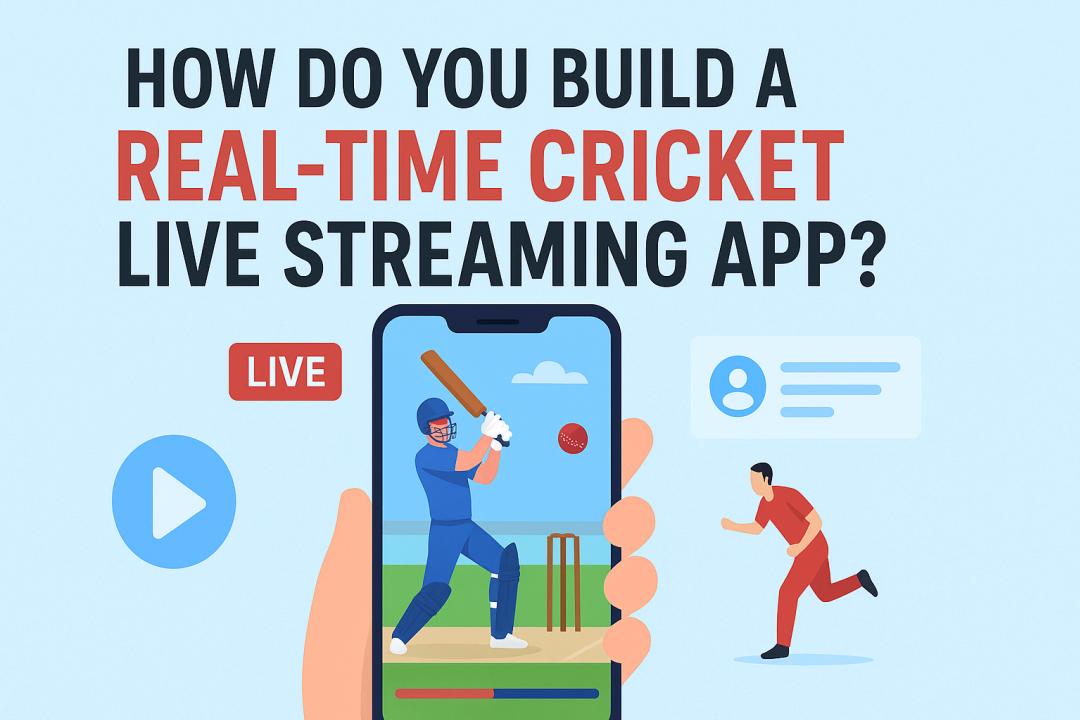
Cricket is one of the most-watched sports across the globe, and fans today expect high-quality, real-time streaming experiences on mobile and web platforms. The rise of OTT platforms, increasing mobile internet penetration, and the growing demand for on-the-go sports content have made cricket streaming apps more relevant than ever. For startups, broadcasters, and sports-tech companies, building a real-time cricket streaming app can unlock massive growth and monetization opportunities.
But what does it really take to build a reliable and scalable streaming application that delivers smooth video playback, live match updates, and a stadium-like experience? Let’s break down the complete process of developing a real-time cricket live streaming app from concept to launch.
1. Understanding the Market Demand and User Expectations
Before diving into technical development, it’s essential to analyze what cricket fans truly want. Users expect:
- High-quality video (HD/Full HD/4K)
- Zero-buffer live streaming
- Real-time score updates
- Multi-language commentary
- Player statistics
- Highlights and replays
- Predictive insights and match analytics
- Seamless streaming on different devices
Studying user behavior helps you design an app that meets global standards and competes with leading sports streaming platforms. Define your target audience - casual viewers, hardcore fans, or fantasy sports players - and build features that enhance their viewing experience.
2. Identifying the Core Features of a Real-Time Streaming App
A high-performance cricket streaming app must integrate a combination of user-oriented and backend operational features. Below are the must-have features:
User-side Features
- Live Match Streaming with adaptive bitrate technology for different network conditions.
- Real-Time Scores & Commentary integrated via reliable sports data APIs.
- Match Schedules & Alerts so users never miss important moments.
- Live Chat & Social Sharing to improve engagement.
- Multiple Streaming Servers to avoid downtime during peak traffic.
- User Profiles & Subscriptions for personalized services and premium access.
- In-App Purchases & Monetization Tools such as paid plans, ad-free experiences, or exclusive content.
Admin/Backend Features
- Content Management System (CMS) for managing videos, highlights, and streaming links.
- Analytics Dashboard to track user engagement and app performance.
- Ad Management System for monetizing through in-stream ads.
- User Access Control for subscription-based content models.
- Live Streaming Server Management to monitor bandwidth and video quality.
3. Choosing the Right Tech Stack
Developing a real-time streaming app requires a robust and scalable tech stack that supports heavy traffic, large user bases, and uninterrupted live broadcasts.
Frontend Development
- Mobile: Swift (iOS), Kotlin (Android), Flutter, React Native
- Web: React.js, Angular, Vue.js
Backend Development
- Languages: Node.js, Python, Java, Go
- Frameworks: Express, Django, Spring Boot
- Databases: MongoDB, PostgreSQL, MySQL
- Real-time Data: WebSockets, Socket.io, Firebase
- Servers & Hosting: AWS, Google Cloud, Azure
Video Streaming Technologies
- HLS (HTTP Live Streaming)
- DASH (Dynamic Adaptive Streaming)
- RTMP for ingesting live video
- CDN integration for global distribution
The combination of these tools creates a fast, responsive, and scalable streaming environment.
4. Integrating Licensing and Live Streaming Rights
Since cricket matches are protected by broadcasting rights, your app must legally obtain:
- Streaming permissions from official broadcasters
- Licenses for distributing live content
- Agreements for match highlights
Skipping this step can lead to legal challenges, heavy penalties, or app takedowns. Work with regional or global cricket authorities to negotiate rights based on match formats, tournaments, or series.
5. Building the Streaming Infrastructure
A strong streaming infrastructure determines the quality and reliability of your live stream. This includes:
A. Video Capture & Encoding
Cameras record the match and feed the live signal to encoders that convert raw footage into digital streams.
B. Transcoding & Packaging
The video is transcoded into multiple resolutions and formats so users with different internet speeds experience smooth playback.
C. Content Delivery Network (CDN)
CDNs distribute video content rapidly across the world. This ensures:
- Faster load times
- Reduced buffering
- High concurrency handling
D. Real-Time Data Synchronization
Live scores, player stats, and commentary must sync perfectly with the video feed. API providers and sports data feeds play a crucial role here.
If you're exploring the right platform, you can opt for a pre-built cricket live streaming solution to streamline development and accelerate time-to-market.
6. Designing a Smooth and Engaging UI/UX
A cricket streaming app must balance aesthetics with usability. Your design should focus on:
- Intuitive navigation
- Easy access to live matches
- Quick switching between quality options
- Dark/light modes
- Minimal buffering indicators
- Clean scoreboard overlays
User experience directly impacts retention and engagement, especially during long tournaments.
7. Implementing Monetization Models
To generate sustainable revenue, integrate monetization strategies such as:
- Subscription Plans (SVOD)
- Pay-Per-View Streaming
- Ads Between Overs/Breaks
- Sponsorships & Brand Partnerships
- Premium Match Analytics
A hybrid model often works best for cricket streaming platforms.
8. Testing & Quality Assurance
Live streaming apps require thorough testing to ensure reliable performance under all conditions. Types of testing include:
- Load testing
- Video quality assessment
- Device compatibility testing
- Security testing
- Stream latency checks
- Failover system testing
Simulate real match scenarios to identify bugs, delays, or performance drops.
9. Launch, Monitor, and Scale
Once your app is launched, continuous monitoring is essential. Track:
- User behavior
- Stream quality metrics
- Server load
- Traffic spikes
Scale infrastructure based on tournament seasons like IPL, ICC World Cup, and bilateral series.
Conclusion
Building a real-time cricket live streaming app requires a strong blend of technology, licensing, UI/UX design, and scalable streaming infrastructure. With the right planning and execution, you can deliver an engaging and immersive viewing experience that attracts millions of cricket fans worldwide. Whether you're a startup or an established broadcaster, investing in a high-performance streaming platform can unlock massive business potential in the sports-tech ecosystem.