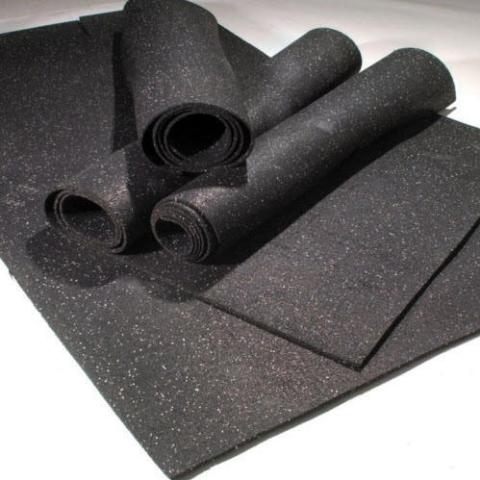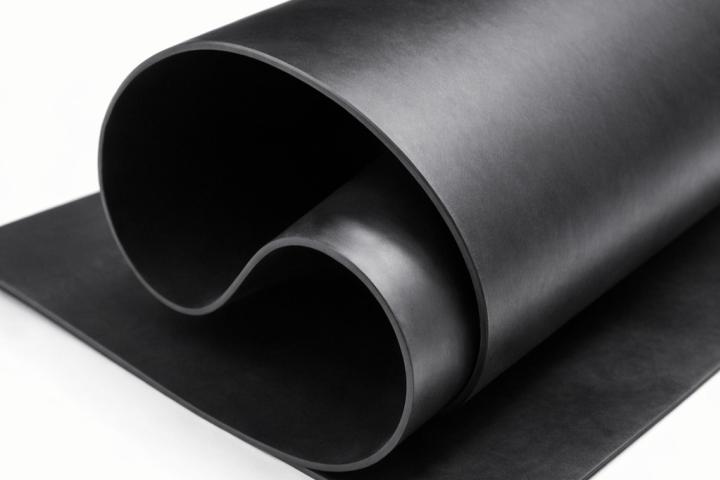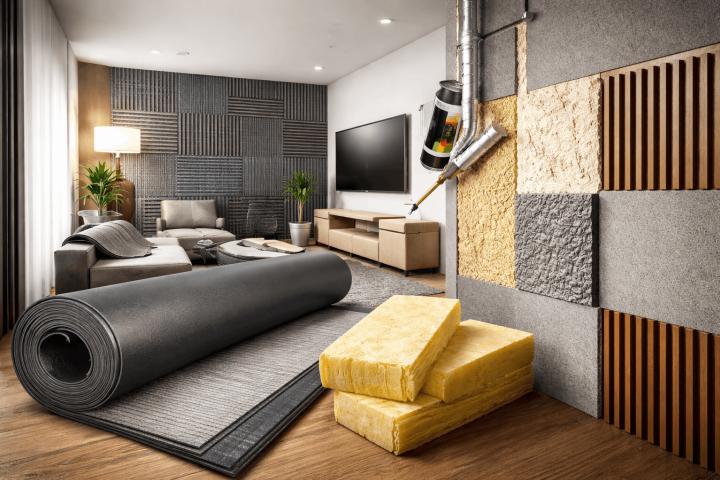
You have decided to tackle the noise in your room. Whether it is a loud home theater, a noisy home office, or a band practice space, you are ready for a change. You have your sound insulation foam picked out, or maybe you are looking at sound insulation sheets. You might have even heard about acoustic spray foam for larger gaps. You are ready to transform your space into a quiet, controlled environment.
But before you unbox that first panel or touch a single drop of adhesive, there is one step that absolutely cannot be skipped. This step is the foundation upon which your entire project's success is built. Get it right, and your acoustic treatment materials will perform beautifully for years. Get it wrong, and you will be wasting time, money, and effort.
That crucial first step is not applying the foam. It is not cutting the foam. It is a more fundamental task of preparation.
The Crucial First Step: Identify Your Enemy and Plan Your Attack
The single most important thing you must do before installing any acoustic treatment materials is to conduct a thorough acoustic assessment of your space. You must understand exactly what kind of sound problem you are trying to solve. Without this knowledge, you are simply guessing, and you will likely use the wrong products for the job.
This assessment breaks down into two key parts:
Identify the Type of Noise
Locate the Source and Path of the Noise
Part 1: Identify the Type of Noise: Airborne vs. Impact Sound
This is the most critical distinction in acoustics. Applying the wrong solution will have zero effect.
Airborne Noise is sound that travels through the air. The sound waves are generated, move through the air, and vibrate the structures of your room. Examples include:
People talking
- Music from speakers or instruments
- Television and movie audio
- Traffic noise from outside
Impact Noise is sound that is generated by a physical impact on a structure. The vibration is created by a direct hit, which then travels through the building materials. Examples include:
Footsteps on the floor above
Objects dropping on the floor
Furniture being dragged
Plumbing bangs within the walls
Why does this matter? Standard sound insulation foam and sound insulation sheets are primarily designed to manage airborne noise within a room by reducing reverberation and echo. They are not designed to stop impact noise from transmitting through structures. Using foam panels on your walls will do very little to stop the sound of footsteps from upstairs. For that, you need mass-loaded vinyl, decoupling systems, or underlayments.
Part 2: Locate the Source and Path of the Noise
Once you know what kind of noise you are dealing with, you need to find out where it is coming from and how it is getting in.
For Airborne Noise:
- Walk around your room. Clap your hands sharply or play a test tone from a speaker.
- Listen for echoes and reverberation. This tells you where you need absorption, like sound insulation foam.
- Place your ear against walls, windows, and doors. Can you hear external noise more clearly? These are your weak points, or "flanking paths."
- Pay special attention to gaps. The smallest opening can let in a surprising amount of sound. Check around electrical outlets, light switches, baseboards, and where the wall meets the ceiling and floor. This is where a product like acoustic spray foam can be invaluable for sealing leaks, but it must be the fire-blocking, acoustical grade type.
For Impact Noise:
- Have someone walk around in the room above you while you listen from below.
- Identify which areas transmit the most sound. This is where you would focus on adding mass or a decoupling system to the floor above, not just adding foam to your ceiling.
Why Skipping This Step Leads to Failure?
If you skip the assessment and go straight to sticking sound insulation foam on your walls, you risk several outcomes:
1. You Treat the Wrong Problem: You might cover your walls in foam to stop neighbor noise, only to find it did nothing because the sound is coming through the ceiling or under the door. You wasted your money.
2. You Use the Wrong Material: You might use thin sound insulation sheets to block low-frequency bass, which requires thick, dense materials. The sheets will have no effect.
3. You Create a False Sense of Security: You might think your room is "soundproofed" when in reality, you have only slightly reduced the echo inside it. Sound still leaks in and out easily.
4. You Miss Critical Weak Points: You might install beautiful panels everywhere, but forget to seal a gap under the door, rendering all other efforts almost useless.
How Does Your Assessment Guide Your Choice of Acoustic Treatment Materials?
Your findings from the assessment directly dictate your shopping list.
1. Problem: Loud echo and reverberation within the room.
Solution: Sound insulation foam (acoustic panels) or fabric-wrapped sound insulation sheets placed strategically on walls and ceiling.
2. Problem: Sound leaking through small cracks and gaps.
Solution: Acoustic spray foam or acoustic sealant caulk. Never use standard expanding foam, as it is not designed for sound blocking and can be a fire hazard.
3. Problem: Sound transmitting through thin walls or floors (airborne).
Solution: Adding mass with dense, specialized sound insulation sheets like mass-loaded vinyl, or building a decoupled wall.
4. Problem: Low-frequency bass buildup.
Solution: Bass traps, which are thick, dense corner units, not standard thin foam.
Your Action Plan Before You Buy Anything
Spend 30 minutes in your room. Sit quietly and just listen. Identify all the sounds that bother you.
Categorize each sound. Is it Airborne or Impact?
- Find the leaks. Do the clap test. Listen at walls and doors.
- Map it out. Make a simple sketch of the room and mark the problem areas.
- Then, and only then, research and purchase the correct acoustic treatment materials that match the specific problems you identified.
By taking this crucial first step of assessment, you move from being a hopeful DIYer to an informed problem-solver. You ensure that every dollar you spend on sound insulation foam, sound insulation sheets, or acoustic spray foam is an investment that actually works, giving you the peaceful and acoustically pleasant space you desire. Do not skip it.