Comprehensive Guide to Setting Up a Renewable Paracetamol Precursors Manufacturing Plant:
IMARC Group’s Renewable Paracetamol Precursors Manufacturing Plant Analysis Report 2025 provides users with a complete roadmap to successfully establish a sustainable and technology-driven manufacturing facility for renewable paracetamol intermediates. The report offers detailed guidance on project economics, plant setup, emerging industry trends, innovative green technologies, raw material and utility requirements, infrastructure planning, production line automation, manpower allocation, packaging strategies, and logistics management. It also includes comprehensive, covering capital investment, project funding options, operating expenses, income and expenditure forecasts, fixed and variable cost structures, ROI, NPV, and profit and loss evaluation.
Designed for entrepreneurs, pharmaceutical manufacturers, investors, and stakeholders, this report equips users with critical insights needed for financial planning, regulatory compliance, and efficient production in the renewable pharmaceutical intermediates sector.
What are Renewable Paracetamol Precursors?
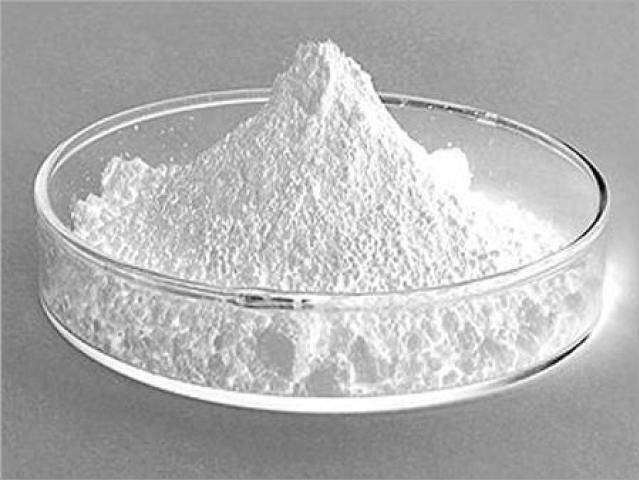
Renewable paracetamol precursors are bio-based chemical intermediates produced from sustainable feedstocks such as lignin, biomass, agricultural residues, and green phenol alternatives. These renewable molecules are used to synthesize paracetamol (acetaminophen) while reducing dependency on fossil-based raw materials. They offer improved sustainability, lower carbon footprint, and support eco-friendly pharmaceutical manufacturing, aligning with global green chemistry and renewable production standards.
What’s the Process of Renewable Paracetamol Precursors Manufacturing?
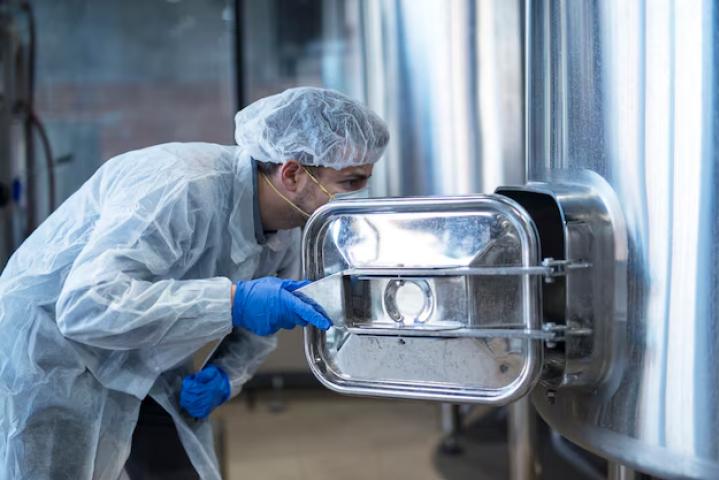
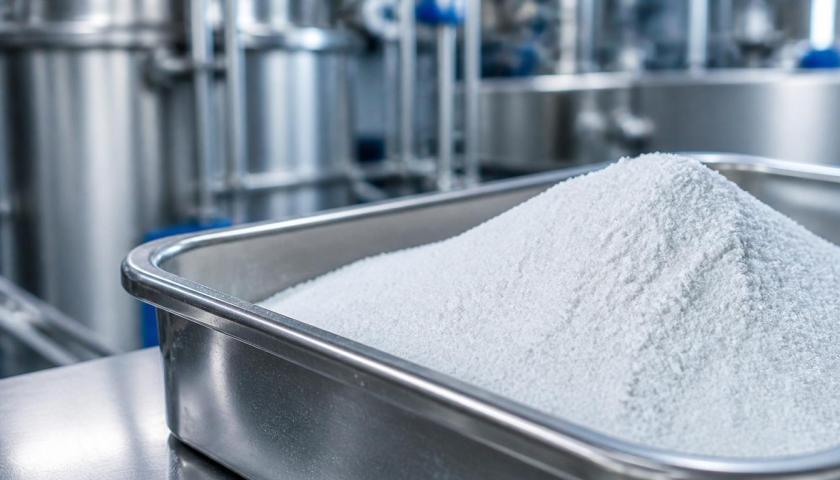
The production process for renewable paracetamol precursors involves biomass pretreatment followed by catalytic depolymerization or bioconversion to produce renewable phenol or hydroxy intermediates. These intermediates undergo selective oxidation, purification, and downstream chemical modification to achieve pharmaceutical-grade purity. After reaction completion, the solution is filtered, distilled, crystallized if required, and dried. The final precursor is then milled and quality-checked to meet pharmacopoeial standards. Each stage—biomass processing, catalytic reaction, purification, and drying—requires precision, consistency, and adherence to green chemistry protocols to ensure high yield and purity suitable for pharmaceutical synthesis.
See the Data First: Download Your Sample Report: https://www.imarcgroup.com/renewable-paracetamol-precursors-manufacturing-plant-project-report/requestsample
Is Renewable Paracetamol Precursors Processing Profitable?
Yes, renewable paracetamol precursor manufacturing is profitable due to rising global demand for sustainable APIs, supply chain diversification, and the increasing focus on green pharmaceutical production. With governments promoting renewable chemical feedstocks and the pharmaceutical sector shifting toward eco-friendly intermediates, manufacturers benefit from premium pricing, long-term stability, and strong export potential.
Key Insights for Renewable Paracetamol Precursors Manufacturing Plant Setup-
Detailed Process Flow: Unit Operations and Quality Standards:
• Unit Operations
• Quality Assurance
• Technical Tests
• Raw Material Requirements
A renewable precursor plant includes biomass preparation, catalytic conversion, reaction control, filtration, fractional purification, chemical modification, crystallization, drying, and milling. Quality assurance ensures product consistency, purity, stability, and compliance with pharmacopeia standards such as USP, EP, and IP. Technical tests include GC/HPLC purity profiling, moisture analysis, residual solvent tests, impurity evaluation, and pH stability. Major raw materials include biomass feedstock, green phenolic intermediates, catalysts, solvents, and purified water.
Land, Location, and Site Development:
• Selection Criteria
• Site Development
• Environmental Impact
• Land Requirement and Costs
The ideal location is near chemical clusters, biomass processing hubs, or pharmaceutical industrial zones to ensure easy access to raw materials and utilities. Site development requires effluent treatment systems, emission control technology, and green-compliant waste management due to chemical processing requirements. Land requirements include zones for biomass handling, reaction units, purification areas, labs, utilities, and warehousing. Costs vary depending on industrial infrastructure and environmental compliance standards.
Plant Layout: Importance and Influencing Factors:
• Designated Zones
• Layout Factors
• Operational Benefits
A strategically planned plant layout includes designated areas for raw material storage, catalytic reactors, purification chambers, QC laboratories, drying units, powder handling zones, packaging lines, and finished product warehousing. Layout decisions are influenced by production capacity, automation level, safety regulations, and contamination prevention. A well-planned layout enhances workflow, improves safety, reduces cross-contamination, and optimizes operational efficiency.
Plant Machinery: Requirements and Costs:
• Essential Equipment
• Cost Considerations
• Supplier Support
Key machinery includes catalytic reactors, biomass pretreatment equipment, filtration units, distillation columns, crystallizers, dryers, solvent recovery systems, milling machines, and automated packaging units. Machinery costs depend on production scale, automation technology, material usage, and safety standards. Reliable suppliers—available upon request—provide installation support, automation integration, training, and maintenance services.
Raw Materials: Procurement and Costs:
• Feedstock Options
• Procurement Strategy
• Cost Factors
Renewable precursors rely on biomass feedstock such as lignocellulosic materials, renewable phenol alternatives, catalysts, and solvents. Procurement strategies involve forming partnerships with biomass suppliers, agro-residue processors, and bio-refineries. Costs vary based on feedstock availability, processing complexity, transportation, and seasonal variations.
Packaging: Requirements and Suppliers:
• Packaging Materials
• Procurement Needs
• Cost and Compliance
Renewable paracetamol precursors are typically packaged in HDPE drums, fiber containers, laminated pouches, or bulk pharma-grade bags. Packaging must comply with international pharmaceutical packaging standards ensuring moisture, contamination, and light protection. Costs depend on packaging size, barrier strength, and supplier capabilities.
Other Requirements and Costs:
• Transportation
• Utilities
• Energy and Water
• Human Resources
Transportation is crucial for sourcing biomass feedstock and distributing finished precursors to API manufacturers. Utilities include electricity, steam, cooling water, compressed air, and solvent recovery systems. Water and energy-efficient technologies reduce operating costs significantly. Skilled manpower such as chemical engineers, operators, quality analysts, bioprocess experts, and logistics staff is essential to maintain operational excellence and compliance.
Project Economics: Costs and Profitability:
• Capital Investment
• Operating Costs
• Revenue and Margins
Setting up a renewable paracetamol precursors plant involves capital investment in land, reactors, purification systems, cleanroom facilities, utilities, and safety equipment. Operating expenses include raw materials, labor, utilities, catalysts, maintenance, and quality control. Revenue is generated through sales to pharmaceutical manufacturers seeking sustainable API supply chains. Strong market demand and the shift toward green chemistry ensure healthy margins and long-term profitability.
Financial Analysis: Investment Returns and Risk Assessment:
• Performance Metrics
• Return on Investment
• Risk Factors
Financial metrics such as NPV, IRR, payback period, and profitability index measure plant viability. Key risks include fluctuations in biomass prices, technology adaptation challenges, regulatory updates, and global supply chain variations. Sensitivity analysis helps investors evaluate potential financial impacts and create effective risk mitigation strategies.
Other Analysis Covered: Market Trends and Strategic Insights:
• Market Trends
• Segmentation
• Regulatory Environment
• Case Studies
The global pharmaceutical industry is witnessing strong growth in renewable intermediates due to sustainability targets, carbon-neutral policies, and demand for eco-friendly APIs. Market segmentation shows high demand from acetaminophen manufacturers, green chemistry developers, and international drug producers. Regulatory guidance emphasizes purity, environmental compliance, and green manufacturing certifications. Case studies of companies transitioning to renewable precursors provide insights into cost efficiency, market competitiveness, and export potential.
Request a Customized Project Report for Your Capacity: https://www.imarcgroup.com/request?type=report&id=28463&flag=C
Conclusion:
Establishing a Renewable Paracetamol Precursors Manufacturing Plant offers an innovative, profitable, and environmentally sustainable business opportunity. This venture aligns with global green chemistry initiatives while ensuring strong industrial demand. A carefully planned project with efficient machinery, clean technologies, optimized layout, and robust financial modeling ensures long-term success and competitive advantage for investors.
About Us:
IMARC is a global market research company offering comprehensive services to support businesses at every stage of growth, including market entry, competitive intelligence, procurement research, regulatory approvals, factory setup, company incorporation, and recruitment. Specializing in factory setup solutions, we provide detailed financial cost modelling to assess the feasibility and financial viability of establishing new manufacturing plants globally.
Our models cover capital expenditure (CAPEX) for land acquisition, infrastructure, and equipment installation while also evaluating factory layout and design's impact on operational efficiency, energy use, and productivity. Our holistic approach offers valuable insights into industry trends, competitor strategies, and emerging technologies, enabling businesses to optimize operations, control costs, and drive long-term growth.
Our expertise includes:
- Market Entry and Expansion Strategy
- Feasibility Studies and Business Planning
- Company Incorporation and Factory Setup Support
- Regulatory and Licensing Navigation
- Competitive Analysis and Benchmarking
- Procurement and Supply Chain Research
- Branding, Marketing, and Sales Strategy
Contact Us:
IMARC Group
134 N 4th St., Brooklyn, NY 11249, USA
Email: sales@imarcgroup.com
Tel No:(D) +91 120 433 0800
United States: (+1-201971-6302)