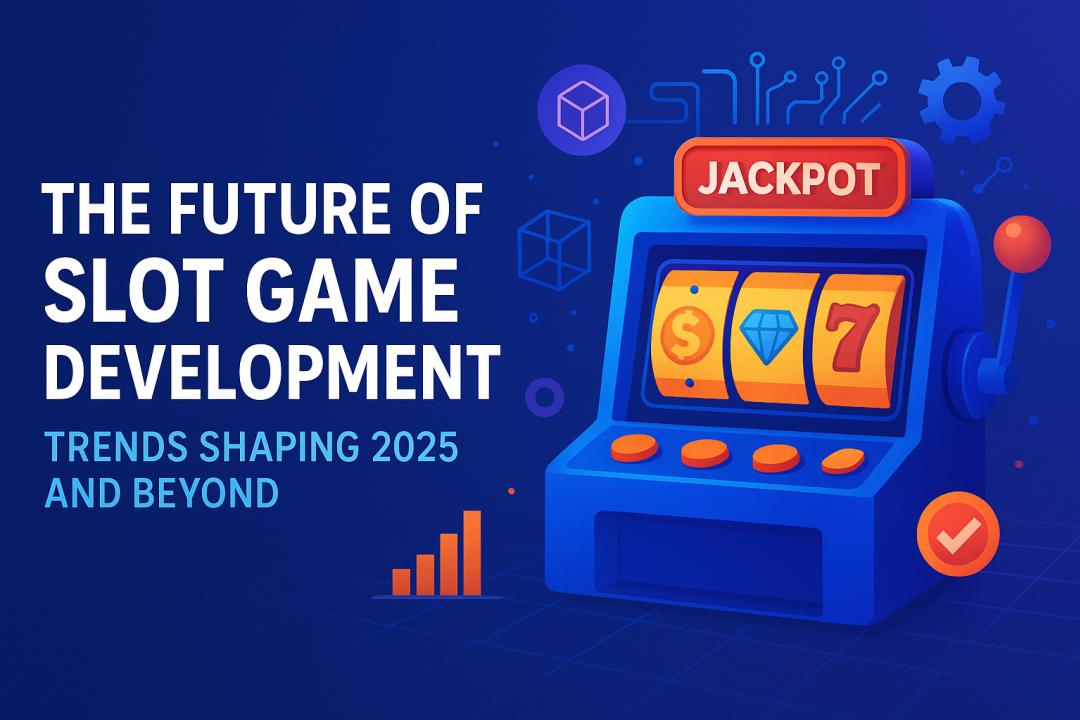
The slot gaming industry has evolved dramatically over the past decade, shifting from traditional brick-and-mortar machines to immersive digital experiences available across mobile, desktop, consoles, and even VR environments. As technology rapidly advances, the future of slot game development is being shaped by emerging innovations, new regulations, and evolving player expectations. Heading into 2025 and beyond, these transformations will define how studios conceptualize, design, and deliver engaging slot entertainment.
1. Hyper-Immersive Experiences Through Advanced Visuals
Slot games are no longer confined to simple reels and static symbols. Players today expect cinematic graphics, fluid animations, and more dynamic themes. Over the next few years, we will see the widespread adoption of real-time rendering engines such as Unreal and Unity to bring console-quality visuals to online slot games.
Developers are also integrating 3D modeling, motion graphics, and immersive soundscapes, enabling slots to resemble mini-adventures rather than simple gambling games. This move toward heightened immersion is driven by the demand for games that offer both entertainment and emotional engagement.
2. The Rise of Skill-Based Slot Games
Historically, slot outcomes relied entirely on luck. However, younger generations - especially millennials and Gen Z - prefer interactive gameplay and strategic decision-making. This shift is driving the creation of skill-based slots, where players influence bonus rounds or outcomes through their actions.
Elements like puzzle-solving, shooting challenges, or timed obstacles are being integrated into slot mechanics. These hybrid designs appeal to players seeking more agency and could soon become a dominant category in the iGaming sector.
3. Artificial Intelligence Personalization
Artificial Intelligence (AI) is becoming a foundational force across many industries, and slot development is no exception. By 2025, AI-powered personalization will redefine how players interact with slot games. Algorithms will analyze playing >
- Bonus frequency
- Difficulty of skill-based segments
- Visual themes
- Recommendations for new games
This level of personalization enhances retention and allows studios and platforms to deliver curated experiences. AI will also be used in fraud detection, player protection, and responsible gaming tools, making the ecosystem safer and more transparent.
4. Blockchain and Web3 Integration
Blockchain technology is poised to reshape the underlying architecture of slot games. Its benefits - transparency, decentralization, and secure digital ownership - align perfectly with the evolving expectations of modern players.
Future slot games may feature:
- Provably fair mechanics, where outcomes can be independently verified
- Token-based reward systems, allowing players to trade or sell in-game items
- NFT-powered assets, enabling unique skins or game enhancements
- Interoperable gaming economies, where rewards carry across multiple Web3 games
While mainstream adoption may take a few years, the trend is accelerating as more developers explore decentralized gaming models.
5. Virtual Reality (VR) and Augmented Reality (AR) Slot Experiences
VR has long been seen as the next big frontier in gaming. However, accessibility, cost, and hardware limitations slowed mass adoption. As VR headsets become more affordable and mobile-compatible, VR-integrated slot games will become a more common offering.
Imagine entering a virtual casino, walking up to a slot machine, pulling a lever with hand-tracking technology, and watching 3D symbols explode with lifelike effects. AR enhancements will also enable mobile slot games to project interactive elements into real-world environments.
In the coming years, hybrid VR-AR slot rooms may emerge as a new entertainment format for online casinos.
6. Ultra-Mobile Optimization
Mobile already accounts for a majority of online slot activity, and this trend is intensifying. The next phase of mobile-first design focuses on:
- Instant-loading lightweight frameworks
- Landscape/portrait adaptive UI
- 5G-enhanced gameplay, enabling real-time interactivity
- Haptic feedback that syncs vibrations with spins and wins
Developers are transitioning to more responsive layouts and touch-optimized animations, ensuring seamless gaming on smartphones and tablets.
7. Regulatory Tech and Compliance Automation
As global gambling regulations tighten, compliance is becoming more complex. Future slot game development will rely heavily on automated tools that ensure adherence to regional laws before launch.
Expect advancements such as:
- Built-in age and identity verification layers
- Real-time responsible gaming prompts
- AI-powered compliance alerts for studios
This automation will save developers time and protect players more effectively.
8. Social Gaming and Multiplayer Slots
Social interaction is becoming a core component of modern gaming. Slot developers are experimenting with multiplayer slot rooms, shared jackpots, and community challenges to amplify excitement.
Upcoming trends include:
- Team-based bonus rounds
- Live tournaments with digital hosts
- Social leaderboards and clan systems
These features enhance engagement and appeal to players who enjoy communal, competitive experiences.
9. Data-Driven Game Design
Analytics are playing a larger role in shaping future slots. Developers now analyze:
- Player engagement patterns
- RTP volatility preferences
- Session duration models
- Theme popularity
- Bonus round performance
These insights help studios create more effective games, ensuring the mechanics align with player psychology. The use of predictive analytics will continue to grow, allowing developers to test, iterate, and refine slot ideas faster than ever.
10. The Growing Importance of Ethical Gaming
As the industry evolves, responsible gaming is no longer optional - it’s essential. Future slot games will integrate subtle design choices that encourage healthy play, such as:
- Time reminders
- Loss-limit notifications
- Cooling-off periods
- Transparent odds displays
Studios and platforms must balance entertainment with ethical responsibility to sustain long-term player trust.
Conclusion
The future of slot game development is driven by technological innovation, shifting player demographics, and increasing regulatory oversight. Trends like AI personalization, VR integration, blockchain, mobile-depth optimization, and skill-based mechanics are redefining how developers approach game creation. As player expectations rise, working with a forward-thinking slot Game Development company becomes essential to bringing next-generation slot experiences to life. The landscape of 2025 and beyond promises to be more immersive, interactive, socially connected, and player-centric than ever before.