
Every parent looks forward to the day their toddler learns to take independent steps. It is a milestone filled with excitement, hope, and careful concern for safety. During this stage, many parents explore support tools to help toddlers learn walking skills confidently. Traditionally, basic walkers were considered the go to solution, but modern research and parental experience now point to Push Cars as a noticeably safer and more effective choice.
Push Cars give toddlers a steady structure to hold while allowing natural movement. Unlike basic walkers that move ahead quickly or shift unpredictably, push cars follow the toddler’s pace. They do not trap the child inside a frame, and they avoid the sudden rolling that commonly causes falls. Instead, they support toddlers as they push, step, balance, and strengthen their core muscles through controlled motion.
Early learning requires certainty, comfort, and safe mobility. Push Cars provide an environment where toddlers can explore without feeling restricted. For parents, this translates into fewer worries, fewer risks, and a smoother journey into independent walking.
Why Toddlers Need the Right Support for Early Movement
Toddlers grow rapidly, and their first steps depend heavily on physical support and confidence. Learning to walk is not only about moving feet forward. It requires balance, weight transfer, hand eye coordination, and steady posture. When children attempt this with unstable devices, they face unnecessary risks. Basic walkers often cause toddlers to lean too far forward or move too quickly, making the learning process stressful instead of safe.
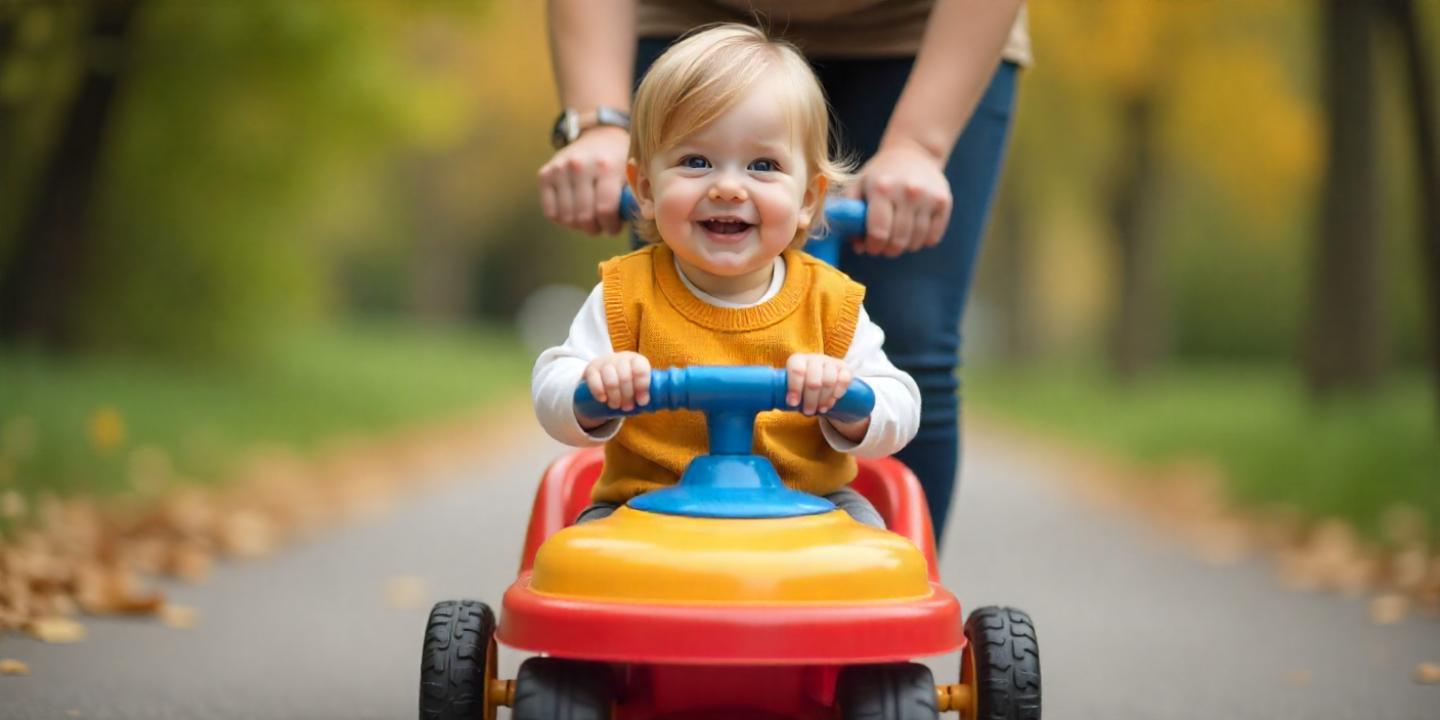
Push Cars match toddler movement instead of overpowering it. The child stands behind the toy, holds the handle, and pushes gently. The body remains in a natural walking position. Toddlers have time to correct their steps, adjust their posture, and follow a steady rhythm. The stable frame helps them stay upright while reducing falls.
By giving toddlers a more natural walking posture, push cars encourage physical development without pressure. Their presence gives toddlers confidence to explore independently, even in familiar home spaces.
How Push Cars Are Built Differently From Basic Walkers
Push Cars have design elements that specifically address the weaknesses of basic walkers. Their weight, base width, wheel movement, and support handle work together to keep children stable. Basic walkers, on the other hand, are designed mainly for rolling. Many move too fast, slide on smooth floors, and encourage children to hang forward.
Push Cars provide controlled forward movement, which helps toddlers maintain balance. The wider base and sturdy wheels reduce tipping risks. The handle encourages an upright posture, helping children strengthen core and leg muscles naturally. Toddlers also have more control over their direction, allowing them to stop and redirect without losing balance.
Push Cars also provide more engagement. Toddlers enjoy pretending to drive, imitatively pushing, and exploring surroundings, which encourages longer periods of active movement. Basic walkers, in contrast, offer little interactive engagement, limiting the toddler’s desire to practice walking.
Key Safety Features That Make Push Cars Better Than Basic Walkers
Below is the only section with bullet points, as requested:
- Push Cars allow toddlers to stand behind the toy instead of being placed inside a frame, which prevents unnatural leaning.
- Their wide, stable base helps reduce tipping, even on indoor tiles or outdoor paved surfaces.
- Controlled wheel resistance keeps movement steady and prevents sudden rolling.
- The push handle supports natural posture, helping children walk upright without stressing their back.
- Toddlers maintain full visibility and control, making it easier to avoid obstacles.
- Parents can easily guide toddlers without interfering with their independence.
DID YOU KNOW?
According to the American Academy of Pediatrics, traditional baby walkers contribute to thousands of annual injuries because they roll too fast and cause children to lose balance. Studies show that stable push toys reduce fall risks significantly, helping toddlers learn walking skills more safely and confidently.
Push Cars Support Natural Walking and Better Posture
Toddlers need tools that mimic natural body movement. Push cars support an upright posture, letting children stand tall and distribute their weight evenly. Basic walkers often lead toddlers to lean forward, placing unnecessary pressure on shoulders, back, and arms. This position not only strains their bodies but also causes imbalance.
Push Cars encourage toddlers to walk the same way they eventually will without assistance. Each step builds strength in the legs, improves coordination, and develops the core. Over time, toddlers become comfortable balancing without relying heavily on support. This developmental advantage makes push cars far more beneficial for long term walking milestones.
Parents often observe noticeable improvements within a few weeks of regular use. Toddlers who struggled with unstable walking begin to take confident steps. Their posture improves, and they show more control over movement. These early improvements create a strong foundation for stable, independent walking.
Why Push Cars Reduce Accidents More Effectively
Accidents usually happen when toddlers move faster than they can control. Basic walkers can glide too quickly, especially on smooth surfaces. Sudden shifts or unexpected rolling cause toddlers to fall forward or sideways. Push Cars eliminate this because toddlers generate the movement themselves.
The controlled pace gives toddlers time to correct their steps and adjust to changes in direction. If they stop walking, the car stops as well. This reduces the chance of sudden falls. Parents also appreciate that push cars do not allow toddlers to reach unsafe speeds indoors.
Toddlers also remain fully visible to themselves and to their parents. There is no enclosed frame or blocked view. This transparency increases awareness and reduces collisions with furniture or walls.
Real Life Examples of Safer Walking Progress With Push Cars
Parents often share how quickly their toddlers adapt to push cars. One mother observed that her son, who hesitated with standing alone, began walking in steady steps after two weeks of using a push car. The stability of the handle gave him enough support to try without fear of falling.
Another parent shared that her toddler used a push car during outdoor playtime. Instead of dragging a walker that slipped on tiles, the child confidently walked across the garden path. The improved balance and excitement motivated the toddler to walk more, reinforcing healthy development.
Many caregivers also mention that push cars keep toddlers active for longer periods. Children enjoy playing pretend games, transporting toys in the car compartment, or following siblings around the house. This natural engagement encourages consistent physical activity, supporting faster growth.
How Push Cars Encourage Independent Learning
Toddlers thrive when they feel in control. Push Cars provide that sense of independence without compromising safety. Unlike devices that confine children, push cars let toddlers decide when to move, stop, or explore. This freedom strengthens decision making and spatial awareness.
Independence also builds confidence. When toddlers use push cars daily, they become more comfortable exploring spaces with minimal parental assistance. This sense of capability carries into other developmental areas such as climbing small steps, reaching for toys, or sitting and standing without support.
Push Cars also help toddlers become aware of how their movement affects the direction and speed of the car. This early cause and effect understanding helps them prepare for future riding toys, tricycles, and balance bikes.
A Helpful Place for Parents to Start
If parents want a safe and reliable option while choosing Toys for Kids in Pakistan, push cars are an ideal place to begin. They are lightweight, stable, and thoughtfully designed for early learners. Toddlers can enjoy long sessions of movement while parents feel confident that the toy supports proper development.
Push Cars available in the market focus on safety and interactive play. Their structure encourages toddlers to practice standing, walking, and exploring more frequently. Parents also appreciate that these cars can be used indoors or in small outdoor areas without concerns about sudden rolling. The overall experience helps toddlers feel stronger, more balanced, and ready to take their first independent steps.
Conclusion: A Better Start for Early Walking
Push Cars provide toddlers with a safer, more natural way to learn early walking skills. Their design supports correct posture, controlled movement, and steady balance. Compared to basic walkers, they offer stronger safety advantages by minimizing tipping, reducing falls, and preventing sudden speed changes.
For parents seeking a tool that contributes to their toddler’s growth, confidence, and coordination, push cars offer everything a learning child needs. They encourage physical development, imaginative play, and independence without compromising safety. Every step a toddler takes with a push car becomes a building block for strong, confident walking in the future.
To explore related professional resources, go to www.promoteproject.com