Cooking oils are used in almost every kitchen, yet they are surrounded by confusion and misinformation. Online videos, social media posts, and unverified claims often lead people to believe things about oils that science does not support. Because of this, many families end up avoiding healthy oils, misusing others, or feeling unsure about what to choose. Understanding what science actually says helps us cook better, stay healthier, and avoid common mistakes. This article breaks down popular cooking oil myths and explains the facts in simple wording.
Myth 1: “All Vegetable Oils Are Unhealthy”
Many people believe that all vegetable oils are harmful. This myth usually comes from misunderstandings about processing and fat types. Not all vegetable oils are the same. Some, like canola, sunflower, and soybean oil, are naturally rich in unsaturated fats—especially omega-3 and omega-6 fatty acids. These fats support heart health and help lower bad cholesterol when consumed in balance.
Science shows that the problem is not vegetable oils themselves, but how they are used. Overheating them or reusing them too many times can break them down. But when used correctly and in moderation, many vegetable oils are safe and healthy. The key is choosing high-quality oil and keeping heat within the safe range.
Myth 2: “You Should Never Reuse Cooking Oil”
People often read that reused oil is automatically dangerous. The truth is more nuanced. Oil can be reused safely if it is filtered, stored properly, and not overheated. What matters is the temperature the oil reached, the type of food fried in it, and how many times it has been used.
Science suggests that oil used for light frying—such as vegetables or snacks—can be reused a couple of times if it does not smell burned or look dark. However, oil that has been used for frying meat or breaded items breaks down faster due to moisture and crumbs. The safe approach is to strain the oil, keep it in a closed container, and discard it as soon as it shows signs of oxidation or a bad smell.
Myth 3: “Coconut Oil Is the Healthiest Oil for Everything”
Coconut oil became extremely popular in recent years, with many people calling it a “superfood.” However, coconut oil is high in saturated fat, which makes it more stable for cooking but less ideal for everyday use in large amounts.
Science says coconut oil is not harmful when used occasionally and in moderation. It can be good for certain recipes because of its aroma and stability. But it is not the best oil for daily frying or sautéing when compared to oils rich in unsaturated fats. A balanced diet includes a mix of fats, not relying on a single type for all cooking tasks.
Myth 4: “Olive Oil Shouldn’t Be Used for Frying”
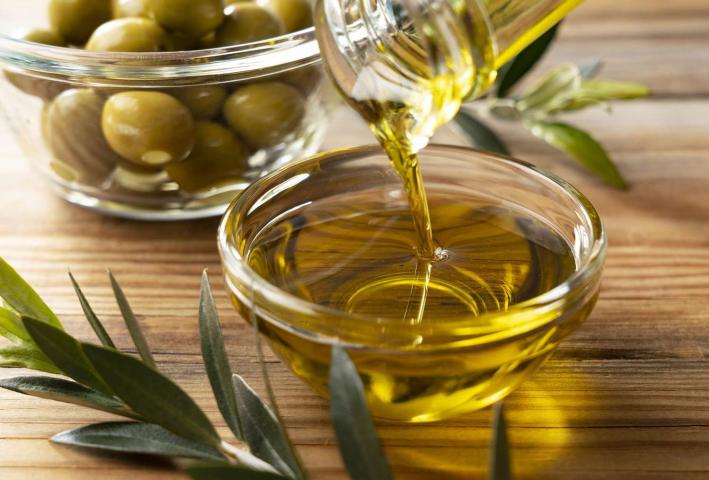
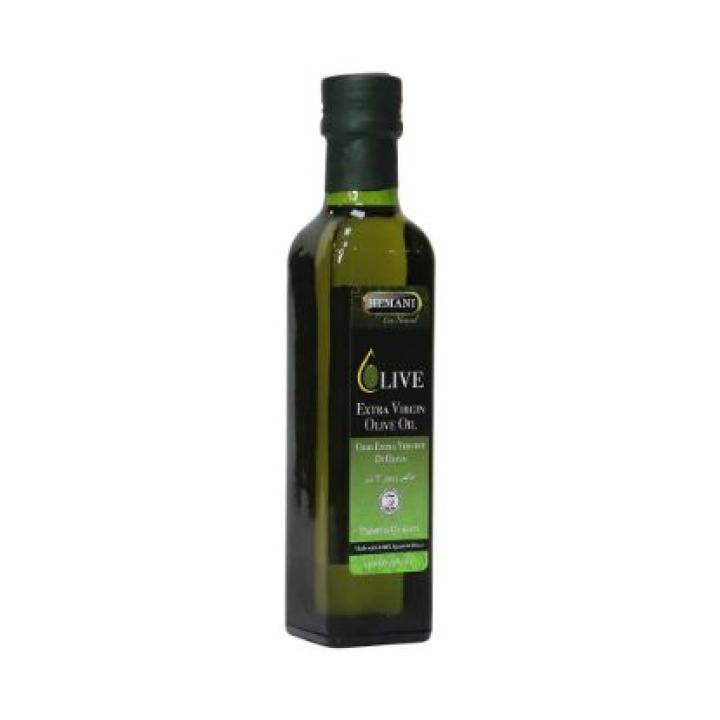
A common belief is that olive oil has a low smoke point and cannot be used for frying. This is only partly true. Extra-virgin olive oil has a moderate smoke point, but it is also very stable because it contains antioxidants. Science shows that it can be safely used for shallow frying, sautéing, and medium-heat cooking without losing its benefits.
Refined olive oil has an even higher smoke point, making it suitable for deep frying. Many Mediterranean families have been frying with olive oil for generations without health problems. The important point is to keep the temperature controlled and avoid overheating. This explains why many chefs prefer extra virgin olive oil for cooking when they want flavor and stability.
Myth 5: “More Smoke Means the Oil Is Ruined”
Smoke does not always mean the oil is completely ruined. Smoke appears when the oil reaches its smoke point, which varies from one oil to another. While it is true that oil begins to break down at high temperatures, a small amount of smoke during cooking does not always make it unsafe.
Science shows that what matters more is the extent of breakdown. If the oil turns dark, smells burnt, or becomes thick, it should be discarded. But controlled cooking at slightly high temperatures is not automatically harmful. Understanding smoke points allows cooks to choose oils suitable for frying, grilling, or sautéing without fear.
Myth 6: “All Fats Are Bad for Heart Health”
This myth is one of the biggest misunderstandings in nutrition. Not all fats are harmful. Our body needs fats for energy, hormone production, brain function, and vitamin absorption. The key is knowing the types:
Saturated fats: Should be eaten in moderation.
Monounsaturated fats: Good for heart health.
Polyunsaturated fats: Essential for body functions.
Healthy oils contain these fats in different amounts. Instead of fearing all fats, science recommends balancing them. For example, many families like using pure desi ghee for its rich taste, and when used in small amounts alongside other oils, it can fit into a balanced diet.
Myth 7: “Cold-Pressed Oils Are Always Better”
Cold-pressed oils are popular because they are minimally processed. They often have strong flavor and aroma, which is good for salads and low-heat cooking. But they are not always better for frying. Some cold-pressed oils have low smoke points and break down quickly at high heat.
Refined oils, on the other hand, can handle higher temperatures and remain stable during frying. Science says both types are useful—cold-pressed for flavor and nutrition, refined for high-heat cooking. The choice should depend on the recipe and cooking method.
Myth 8: “Color and Thickness Show Oil Quality”
People often judge oil quality by its color or thickness, but this is not accurate. Different crops naturally produce oils with different appearances. For example, mustard oil is yellow, olive oil can be green or gold, and coconut oil becomes solid in cool weather. Thickness also varies naturally.
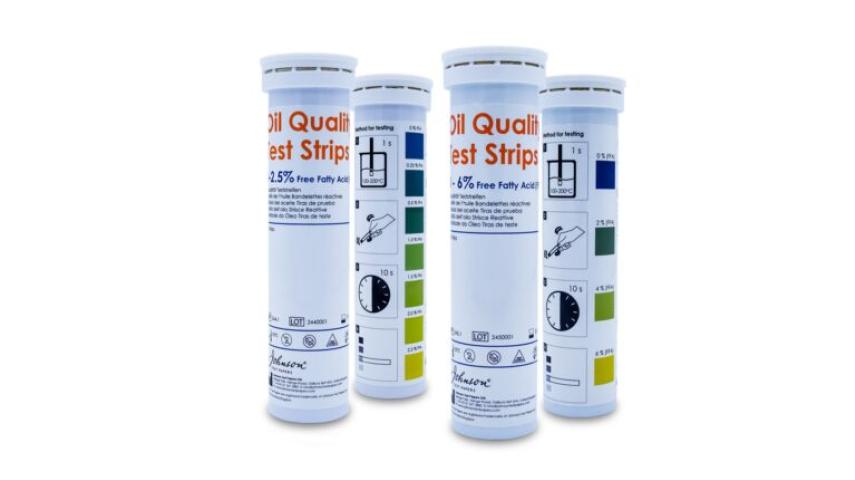
Scientists use chemical markers—not appearance—to test oil quality. These include acidity level, purity, oxidation, and nutritional profile. So the best way to judge oil quality is by checking labels, sources, and certifications, not by color alone.
How to Choose the Right Oil for Each Cooking Method
Choosing the correct oil depends on what you are cooking.
Frying: Peanut oil, canola oil, sunflower oil, and refined olive oil are good options.
Sautéing or Stir-Frying: Olive oil, sesame oil, and mustard oil work well.
Dressings and Finishing: Extra-virgin olive oil, cold-pressed oils, and flavored oils are ideal.
Understanding smoke points and flavor helps you select the best oil for each dish.
Tips for Safe and Healthy Use of Cooking Oils Store oils in a cool, dark place. Keep bottles tightly closed. Avoid heating oils past their smoke point. Do not reuse oil too many times. Always discard oil that smells burnt or stale.
Good storage and mindful cooking protect the nutritional value of oils.
Conclusion
Cooking oil myths exist because nutrition information often changes and spreads quickly online. But modern science gives clear guidance on how oils behave, which fats are healthy, and how to use oils safely. By understanding the facts, you can choose the right oil for every recipe, cook with confidence, and enjoy tastier and healthier meals.