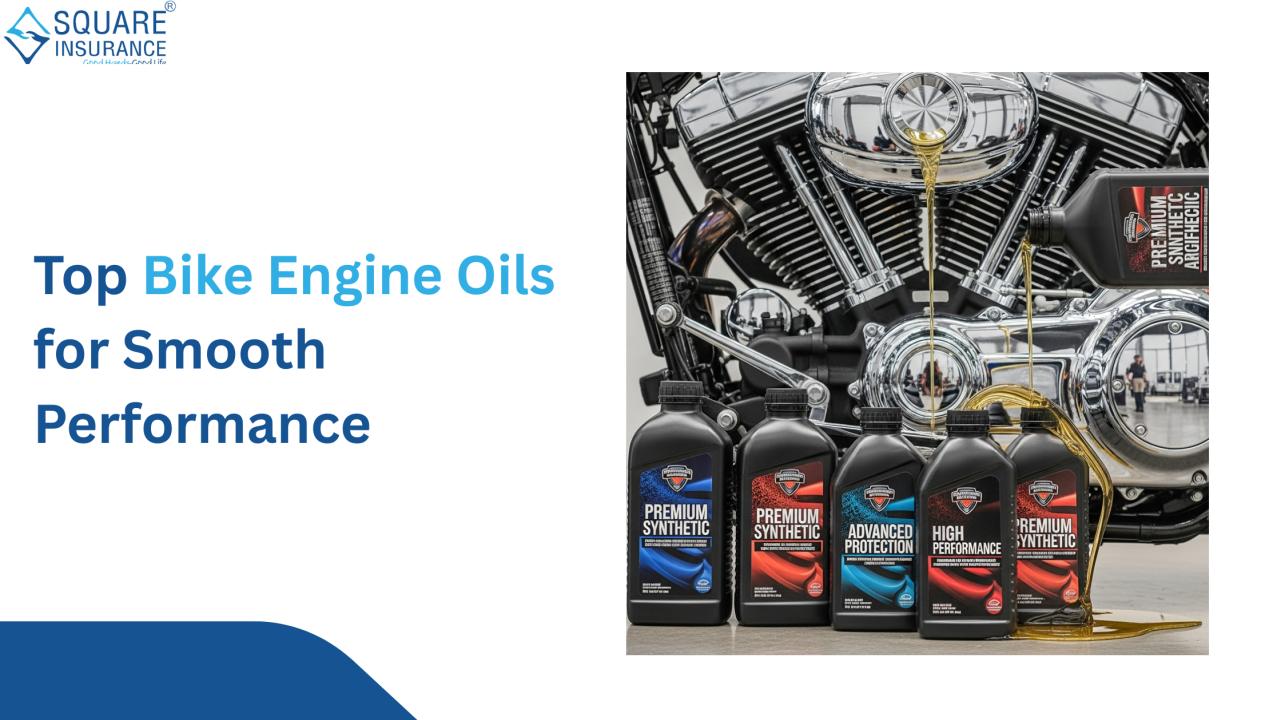
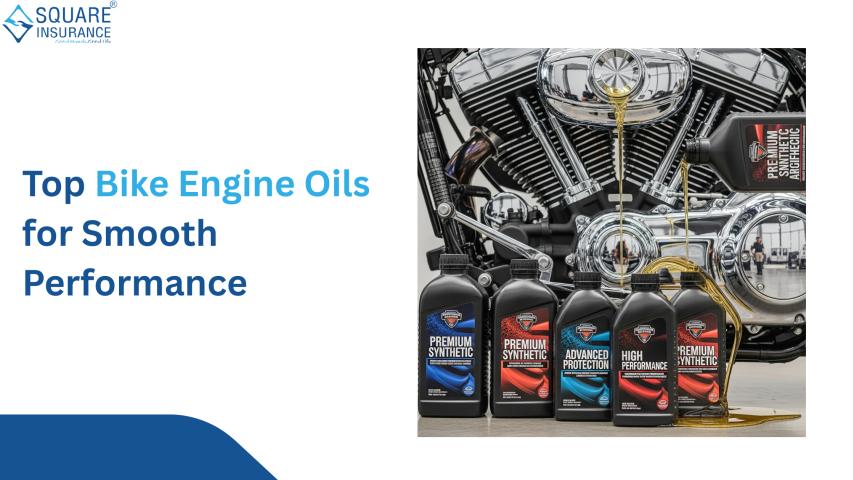
A well-maintained engine is the heart of every bike, and choosing the right engine oil is crucial to keep it running smoothly. The wrong oil can lead to increased friction, overheating, reduced fuel efficiency, and long-term damage to your engine. On the other hand, the correct engine oil not only improves performance but also extends the life of your bike.
In 2025, the market offers a variety of bike engine oils, from mineral and semi-synthetic to fully synthetic oils. With so many options, selecting the right one can be overwhelming. This guide will help you understand the top bike engine oils for smooth performance, their types, benefits, and how to choose the best oil for your bike.
Why Choosing the Right Engine Oil is Important
Engine oil is more than just lubrication. Its functions include:
- Reducing friction between moving parts
- Cooling the engine by dissipating heat
- Preventing corrosion caused by moisture and acids
- Cleaning the engine by carrying away sludge and deposits
- Improve fuel economy
- Enhancing overall performance and longevity
Using the wrong engine oil can lead to increased wear, frequent maintenance, poor mileage, and even engine failure. Therefore, understanding your bike’s requirements is crucial.
Types of Bike Engine Oils
Engine oils are categorized based on their composition and performance. Understanding these types will help you make an informed choice:
1. Mineral Oil
- Refined from crude oil
- Affordable and easily accessible
- Best for older bikes and low-performance engines
- Requires frequent changes (every 2,000–3,000 km)
2. Semi-Synthetic Oil
- Blend of mineral and synthetic oils
- Better performance and protection compared to mineral oils
- Suitable for mid-range bikes
- Change interval: 3,000–5,000 km
3. Fully Synthetic Oil
- Composed purely of artificial molecules
- Excellent protection at high temperatures
- Enhances fuel economy and performance
- Recommended for modern bikes and high-performance engines
- Change interval: 5,000–10,000 km
4. High-Mileage Oil
- Designed for bikes with more than 40,000 km.
- With additives to reduce wear and prevent leaks
- Helps the engine performance to last longer.
Top Bike Engine Oils for Smooth Performance in 2025
Here is a curated list of highly recommended engine oils that ensure optimal performance, protection, and longevity for your bike:
1. Mobil 1 Racing 4T
Why It's Great:
- Fully synthetic for high-performance bikes
- Excellent thermal stability at high speeds
- Reduces engine wear and improves acceleration
- Suitable for sportbikes and racing bikes
- Best For: Riders seeking high-end performance and extended oil change intervals.
2. Castrol Power1 Racing
Why It’s Great:
- Advanced synthetic technology
- Reduces friction by 40%, ensuring smoother ride
- Smoothes throttle response
- Keeps the engine clean and cool
- Best For: Performance bicycles and daily commuters seeking high efficiency.
3. Shell Advance AX7 4T
Why It’s Great:
- Semi-synthetic with Active Cleansing Technology
- Provides protection against wear, corrosion, and sludge
- Suitable for Indian riding conditions- hot, humid, or dusty.
- Best For: A rider seeking the right balance between performance and affordability.
4. Motul 7100 4T
Why It's Great:
- Fully synthetic ester-based oil
- Protection maximum in extreme conditions
- Improves fuel efficiency and prolongs the life of the engine.
- Ideal for urban commuting and long rides alike
- Best For: Touring riders and high-performance motorcycles.
5. TVS Eurogrip Engine Oil
Why It's Great:
- Affordable Semi-Synthetic Alternative
- Smoothes friction and engine noise
- Long-lasting protection for city bikes
- Optimized for small to mid-range motorcycles
- Best For: Daily commuters, value-conscious riders.
Factors to Consider Before Choosing Bike Engine Oil
Selecting the right engine oil requires careful consideration of your bike, riding >
1. Viscosity Grade
Represented by SAE numbers (e.g., 10W-30, 20W-40)
- Low-viscosity oils (10W-30) = easier flow, smoother start-ups in cold weather
- High-viscosity oils (20W-40) = thicker, better protection under high heat
2. Recommendation for a Bike Maker
- Always check your bike's manual for the recommended oil type and viscosity.
- Using the manufacturer's suggested oil ensures warranty compliance.
3. Riding Conditions
- City traffic: choose oils containing anti-wear additives
- Long highway rides: Heat resistance of synthetic oils is much better
Hot and humid regions require oils with high thermal stability to avoid breakdown.
4. Oil Change Interval
- Mineral oil: 2,000–3,000 km
- Semi-synthetic: 3,000–5,000 km
- Fully synthetic: 5,000–10,000 km
Smoother performance is ensured by observing proper intervals.
Tips for Maintaining Your Bike Engine
Even the best engine oil cannot compensate for poor maintenance. Follow these tips:
- Regular Oil Changes - Do not extend beyond recommended intervals
- Check Oil Level: Low oil creates friction that causes overheating.
- Clean Oil Filter: Prevents sludge building up and allows appropriate flow.
- Avoid Overfilling – Too much oil leads to engine foaming and loss of lubrication
- Monitor Engine Performance – Strange noises, smoke, or reduced mileage indicate oil issues
Impact of Engine Oil on Insurance and Safety
Proper maintenance, including regular oil changes, indirectly impacts bike insurance claims:
- Well-maintained engines reduce accident risk because of breakdowns.
- Insurance companies can request service history when claims are made.
- Using manufacturer-recommended oil ensures that warranty and insurance policies are followed.
- A smooth-running engine not only enhances performance but also protects your investment.
Conclusion
Selecting the top bike engine oil for smooth performance is crucial for ensuring your bike’s longevity, efficiency, and reliability. From fully synthetic oils for high-performance bikes to semi-synthetic options for daily commuters, the 2025 market offers solutions for every rider.
Regular maintenance, correct viscosity selection, and adherence to manufacturer recommendations will keep your bike running smoothly while improving fuel efficiency and safety. Investing in the right engine oil today can save costly repairs and enhance the overall riding experience tomorrow.
FAQs - Frequently Asked Questions
Q1. How often should I change my bike's engine oil?
- Mineral oil: every 2,000–3,000 km
- Semi-synthetic: every 3,000–5,000 km
- Fully synthetic: every 5,000–10,000 km
Q2. Is it possible to mix different types of engine oils?
It is not recommended as it can reduce oil efficiency and affect engine protection.
Q3. Does using fully synthetic oil improve mileage?
Yes. Fully synthetic oils reduce friction, leading to smoother performance and better fuel efficiency.
Q4. What is the best viscosity for my motorcycle?
Check the bike’s manual; typically 10W-30 or 20W-40 works for most Indian conditions.