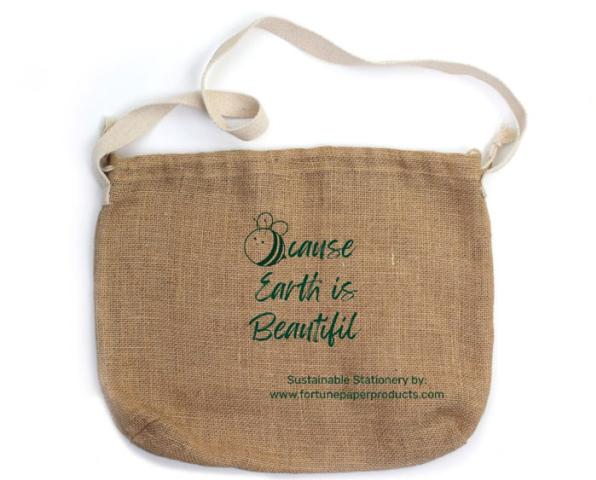
In a world that is rapidly moving
toward sustainability, businesses are looking for packaging and promotional
solutions that balance functionality, branding, and environmental
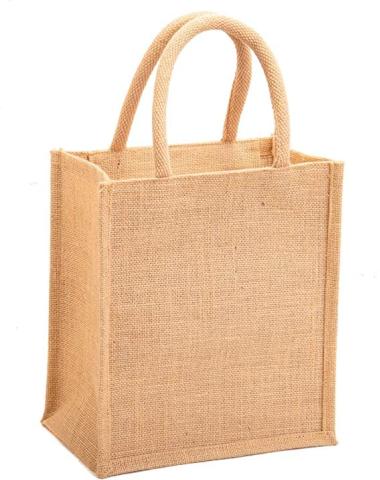
responsibility. Custom jute bags have emerged as one of the most powerful eco-friendly
branding tools available today. They are reusable, biodegradable, and
impressively versatile — but the real magic happens behind the scenes, where
skilled jute bag manufacturers transform simple ideas into finished
eco-products that tell a brand’s story.
From selecting the raw fiber to
weaving fabric, printing, and final finishing, each stage of jute bag
production involves craftsmanship, technology, and sustainable thinking.
Whether you’re a startup exploring green packaging or an established brand launching
a custom merchandise line, understanding how manufacturers convert concepts
into real, functional products will help you make informed decisions.
This guide walks you through the
full journey: how custom jute bags come to life, what steps manufacturers
follow, and how you can collaborate effectively with the right production
partner.
Why
Jute Is the Ideal Eco Material
Before diving into the creation
process, it’s worth understanding why jute is prized for custom products.
- Renewable & biodegradable: Jute fiber grows quickly with minimal fertilizers, and
the final bag decomposes naturally.
- Durable:
Its tensile strength makes it ideal for shopping bags, fashion totes, and
heavy-duty packaging.
- Cost-effective:
Despite being a natural fiber, jute is affordable for mass production.
- Brandable: Jute fabric takes printing well and can be >
These advantages make jute bags a
win-win for both sustainability and branding.
How Manufacturers Turn Ideas Into Custom Jute Bags
1.
Understanding the Client’s Vision
Every custom jute bag begins with a
conversation.
Professional jute bag
manufacturers start the process by capturing:
- The purpose of the bag (shopping, gifting, retail
packaging, events, merchandise, etc.)
- Target audience and usage
- Required size, shape, and >
- Weight-carrying requirements
- Branding and color preferences
- Budget and delivery timelines
Many clients initially have only a
rough concept — manufacturers help translate these ideas into workable
specifications. This early consultation ensures that the final product meets
both creative and functional expectations.
2.
Material Selection: Choosing the Right Jute Fabric
Jute fabric isn’t one-size-fits-all.
Manufacturers select materials based on:
Fabric
Weight
Ranging from 8 oz to 20 oz, the
weight determines durability.
- Lightweight jute:
Best for promotional giveaways or simple packaging.
- Heavy jute:
Ideal for shopping bags, groceries, or rugged product packaging.
Types
of Fabric
- Hessian (or burlap):
Lightweight and flexible.
- Sacking:
Thicker, rougher, used for heavy-duty bags.
- Jute-cotton blends:
Softer, better for stylish or premium bags.
- Laminated jute:
Provides structure and water resistance.
The right fabric ensures the product
performs well in real-life use.
3.
Designing the Bag Structure
Experienced jute bag manufacturers
help convert the client’s creative ideas into practical designs.
Key
structural elements include:
- Bag dimensions:
Width, height, gusset size.
- Handle >
Jute rope, cotton padded handles, bamboo, riveted handles, or custom materials.
- Reinforcements:
Bottom boards, edge piping, or double-stitched seams.
- Closures:
Zippers, buttons, Velcro, drawstrings, magnetic snaps.
- Accessories:
Inner pockets, tags, and custom labels.
Digital mockups and physical
prototypes allow clients to visualize the final outcome.
4.
Custom Printing & Branding
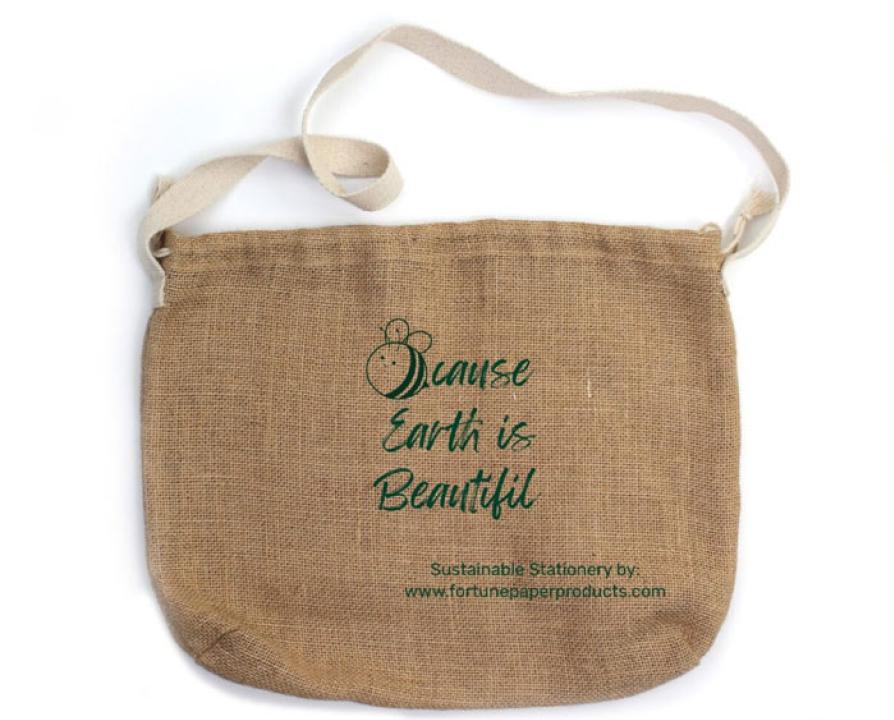
Branding is the heart of custom jute
bags.
Manufacturers offer multiple
printing techniques:
Screen
Printing
Most common for bold, single or
dual-color designs.
Durable and cost-effective.
Digital
Printing
Used for detailed graphics or
multi-color artwork.
Ideal for high-end branding.
Heat
Transfer
Allows photo-like imagery but works
best on laminated jute.
Embroidery
Premium finish for high-value,
fashion-oriented bags.
Sustainable manufacturers use:
- Water-based inks
- AZO-free dyes
- Eco-friendly printing processes
This ensures the branding aligns
with your sustainability claims.
5.
The Cutting & Stitching Process
After designing and printing, the
production phase begins.
Cutting
Fabric is precisely cut according to
the approved measurements to avoid waste.
Stitching
Skilled workers assemble the bag
using industrial sewing machines. Key stitching methods include:
- Lockstitch
- Chain stitch
- Cross-stitch reinforcement for handles
This stage defines the strength,
durability, and appearance of the final bag. Manufacturers with strict quality
control check:
- Seam alignment
- Thread tension
- Handle strength
- Print accuracy
The goal is to create a bag that is
not only beautiful but also long-lasting.
6.
Lamination and Finishing Touches
Depending on the bag’s purpose,
manufacturers may add:
Lamination
- Clear lamination:
For water resistance.
- Matt/Gloss finish:
For premium branding.
- Biodegradable coatings: More eco-friendly alternative.
Edge
binding
Fabric tape is stitched onto the
edges for a clean finish.
Bottom
inserts
A reinforced base keeps the bag structured.
Ironing
and shaping
Bags are steamed or pressed to
maintain shape.
Professional jute bag manufacturers
treat the finishing stage as a key part of the product’s aesthetic value.
7.
Quality Testing and Inspection
Reputable manufacturers follow
strict QC protocols:
- Load testing
to check weight capacity
- Rubbing tests
to ensure prints don’t fade
- Needle detection
for safety in export markets
- Visual inspection
for defects
Inspection ensures consistency
across mass orders — crucial for businesses that rely on brand reputation.
8.
Eco-Friendly Packaging and Shipping
The commitment to sustainability
extends to packaging.
Manufacturers typically use:
- Recyclable or compostable outer packaging
- Minimal plastic use
- Efficient carton packing that reduces shipping volume
Eco-conscious jute bag
manufacturers also recommend shipping options with lower carbon impact or
consolidated deliveries for large orders.
Working With the Right Manufacturer: What to Expect
Choosing the right manufacturing
partner determines your entire experience. A professional manufacturer should
offer:
- Transparent quotes
- Detailed product mockups
- Low or flexible MOQ options
- Timely sample development
- Clear communication
- Export expertise
- High-quality raw materials
- Proven sustainability practices
Good communication ensures your
ideas translate into the exact eco-friendly product you envision.
Why Custom Jute Bags Are a Smart Investment
1.
Sustainable Branding
Consumers love brands that care
about the environment. Jute bags are a visible, reusable symbol of commitment.
2.
Versatility Across Industries
Custom jute bags are used in:
- Retail
- Cosmetics
- Corporate gifting
- Food and grocery stores
- Life>
- Events and promotions
3.
High Return on Investment
Reusable bags offer long-term brand
exposure — your logo stays visible for months or even years.
4.
Reduced Environmental Impact
Choosing sustainable packaging
improves corporate image, supports global eco goals, and reduces single-use
plastic waste.
Final Thoughts
Behind every custom jute bag lies a
creative and meticulous process — from raw fiber selection to printing,
stitching, finishing, and testing. Skilled jute bag manufacturers
transform ideas, sketches, and brand messages into tangible eco-products that
customers use repeatedly.
As sustainability becomes a global
priority, investing in custom jute bags isn’t just a trend — it’s a strategic
decision that shows your brand cares about the future. With the right manufacturing
partner, your business can turn eco-conscious ideas into powerful, functional,
and beautiful products that stand out.