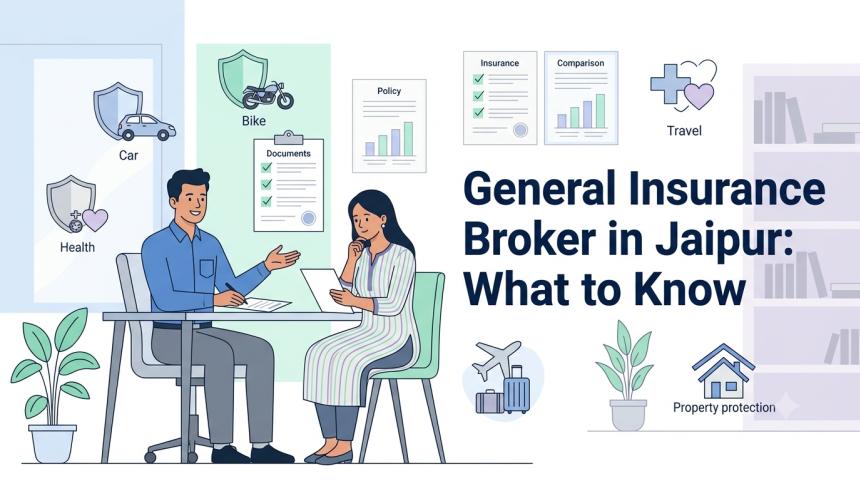
Choosing a health insurance policy is an important decision that can impact your financial security and peace of mind. Medical costs continue to rise year after year, and even a small medical emergency can become a financial burden if you are not prepared. A good health insurance policy helps protect you from these unexpected expenses and ensures that you and your family receive timely medical care without worrying about bills.
However, not all health insurance plans are the same. Each policy comes with its own set of features, limits, and benefits. Understanding these details is crucial before making a decision. To help you choose wisely, here are the top features you should always look for in a health insurance policy.
1. Adequate Sum Insured
The sum insured is the maximum amount the insurer will cover in a year. Choosing a low amount may save money on premiums, but it can fall short during a major medical emergency. With rising hospital costs, it’s important to select a sum insured that realistically matches your needs.
Factors to consider:
- Size of your family
- Medical costs in your city
- Your age and overall health
A higher sum insured provides better security and reduces the chances of out-of-pocket expenses.
2. Cashless Hospitalization
Cashless hospitalization is one of the most important features of a health insurance policy. It allows you to receive treatment at network hospitals without paying upfront. The insurer settles the bill directly with the hospital (as per policy terms).
This feature is extremely helpful during emergencies, when arranging money quickly can be stressful. Always check the list of network hospitals and ensure there are good options near your home and workplace.
3. Pre- and Post-Hospitalization Coverage
Medical expenses start long before admission and continue even after discharge. A good health insurance policy covers:
- Doctor consultations
- Medical tests
- Medicines
- Follow-up visits
Pre-hospitalization expenses are usually covered for 30 to 60 days, and post-hospitalization expenses for 60 to 90 days. This ensures that the entire treatment process is financially supported.
4. Day-Care Procedures
Not every treatment requires a full day of hospitalization. Many modern procedures—like minor surgeries, scans, and therapies—are completed within a few hours.
Look for a plan that covers a large number of day-care procedures. This feature is especially useful as medical technology advances and more treatments become quicker and more efficient.
5. Coverage for Pre-Existing Diseases
Pre-existing diseases are health conditions that you already have before buying the policy. These are usually covered after a waiting period, which can range from 1 to 4 years.
When comparing plans, check:
- How long the waiting period is
- What conditions are included
- Whether there are any restrictions
Shorter waiting periods are always better, especially for people with conditions like high blood pressure, diabetes, or thyroid disorders.
6. No Claim Bonus (NCB)
The No Claim Bonus is a reward you receive for not making any claims in a policy year. It can come in two forms:
- Increase in sum insured
- Discount on premium
Some policies offer a large increase in the sum insured for every claim-free year. This is a valuable feature because your coverage grows without extra cost, giving you more protection over time.
7. Room Rent Limit
Room rent limits may seem like a small detail, but they can greatly affect your hospital bill. Some plans have fixed limits, while others allow you to choose any room you want.
If your policy has a room rent cap, choosing a room that costs more than the limit can lead to higher out-of-pocket expenses. It’s always better to choose a policy with:
- No room rent cap, or
- A reasonably high limit
This ensures flexibility and reduces unexpected costs.
8. Maternity and Newborn Coverage
If you are planning to start a family in the future, maternity coverage is an important feature. Many plans provide:
- Maternity expenses
- Newborn baby care
- Vaccination costs for the first year
- However, maternity benefits usually come with a waiting period. Make sure to check the time frame and limits before deciding.
9. AYUSH Treatment Coverage
Ayurveda, Yoga, Naturopathy, Unani, Siddha, and Homeopathy are all included in AYUSH. Many people prefer these traditional treatment systems for certain health conditions.
A good health insurance policy covers AYUSH treatments in recognized hospitals. This adds flexibility and allows you to choose a treatment method that suits your comfort and belief.
10. Annual Health Checkups
Regular health checkups help detect issues early. Some policies offer free annual or bi-annual health checkups for insured individuals.
This feature is especially useful for monitoring your health and maintaining long-term well-being. It’s even more beneficial for individuals with life>
11. Ambulance Charges
Ambulance charges during emergencies can be expensive. A good policy provides coverage for ambulance services under certain limits. Some plans also include:
- Air ambulance coverage
- Higher emergency limits
This feature provides much-needed support during critical situations.
12. Lifelong Renewability
Lifelong renewability ensures that your policy stays active for as long as you want. Since the need for health insurance increases with age, this feature is extremely important.
Before choosing a plan, make sure:
- There is no age limit for renewal
- The terms remain stable as you get older
This ensures long-term protection and peace of mind.
13. OPD Coverage (Optional but Useful)
Out-Patient Department (OPD) coverage includes doctor visits, tests, and medicines without hospitalization.
This feature is useful for:
- Individuals with regular medical checkups
- Children
- Elderly people
- People with minor but frequent health issues
While not essential for everyone, it’s a valuable add-on to consider.
14. Transparent Exclusions
Every health insurance policy has exclusions—treatments and conditions not covered. Before buying a policy, always read the exclusion list carefully.
Understanding exclusions helps avoid surprises during claims and ensures that you choose a policy that matches your needs.
Conclusion
Choosing the right health insurance policy is not just about picking the cheapest plan—it’s about finding one that truly supports you during medical needs. By paying attention to features like adequate sum insured, cashless hospitalization, day-care coverage, waiting periods, and lifetime renewability, you can make a more confident and informed choice. A well-designed policy helps reduce financial stress, provides access to quality healthcare, and ensures peace of mind for you and your family.
Taking the time to understand these features today can protect you from unexpected medical expenses tomorrow. The goal is simple: choose a plan that offers strong coverage, clear benefits, and long-term security so you are prepared for any health situation that may come your way.