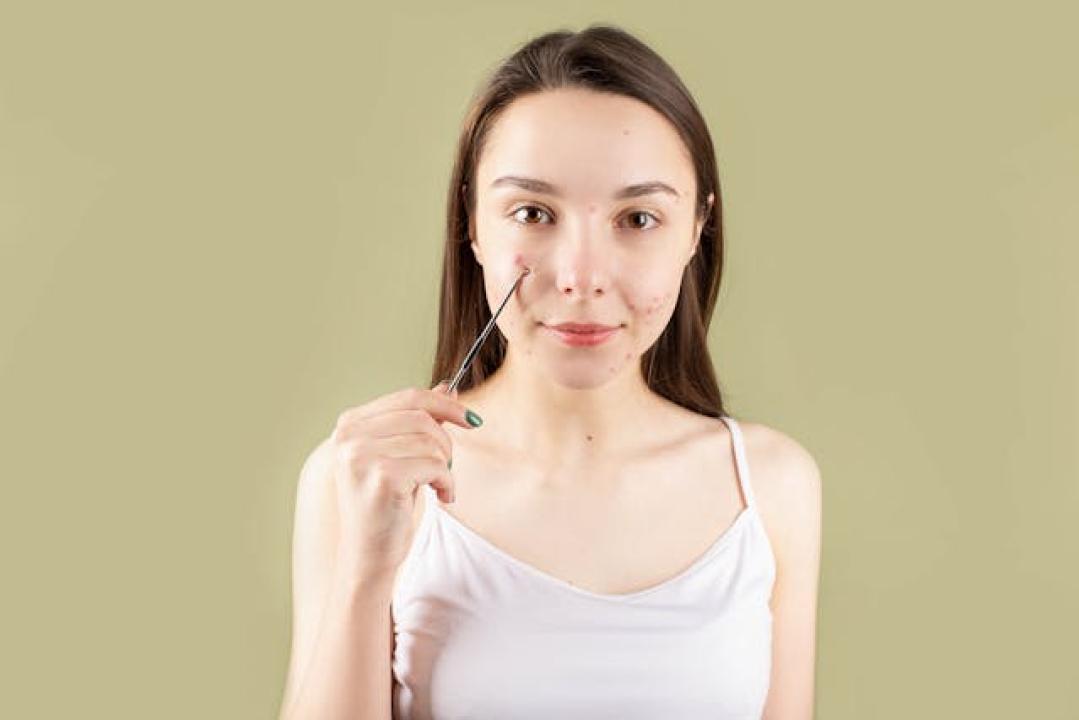
Acne is one of the most frustrating and visible symptoms experienced by women with PCOS (Polycystic Ovarian Syndrome). While acne is often associated with adolescence, many women with PCOS continue to struggle with persistent, hormonal acne well into adulthood. This is largely due to underlying hormonal and metabolic imbalances, particularly excess androgens and insulin resistance, which play a central role in the condition.
Understanding why acne occurs in PCOS is essential for choosing the most effective treatment approach. Rather than being purely a skin issue, PCOS-related acne is usually a reflection of deeper hormonal disruptions.
The Role of Insulin Resistance and Hormones
Women with PCOS commonly experience insulin resistance, meaning the body does not respond efficiently to insulin. As a result, insulin levels rise in an attempt to control blood sugar. Elevated insulin can stimulate the ovaries to produce excess androgens, such as testosterone. These hormones increase sebum (oil) production in the skin, clog pores, and create an environment where acne-causing bacteria thrive.
This explains why PCOS acne often appears along the jawline, chin, neck, and lower face, and why topical treatments alone may have limited success. Without addressing insulin resistance and androgen excess, acne can remain persistent and difficult to manage.
Medical and Supplement-Based Approaches
Traditionally, treatment options for PCOS-related acne include oral contraceptives, anti-androgen medications, or Metformin. Metformin is commonly prescribed to improve insulin sensitivity and can indirectly help reduce acne by lowering insulin and androgen levels. However, it is not suitable for everyone and may cause gastrointestinal side effects.
With advances in research, PCOS supplements have gained attention as supportive treatment options. One of the most researched compounds is Inositol, particularly Myo-inositol and D-chiro-inositol. These compounds help improve insulin signalling, which may lead to reduced androgen production and, over time, clearer skin.
The Myo-inositol and D-chiro-inositol 40:1 ratio is considered the most effective balance for managing PCOS-related symptoms. By targeting insulin resistance at a cellular level, this combination may help address one of the root causes of hormonal acne, rather than simply masking the symptoms.
Daily Habits Still Matter
While supplements can be beneficial, they work best when combined with supportive daily habits. A diet focused on low-GI carbohydrates, lean proteins, healthy fats, and adequate fibre can help stabilise blood sugar and insulin levels. Regular exercise further improves insulin sensitivity and supports hormonal balance.
Skincare routines can also help manage acne, but they should be gentle and non-comedogenic to avoid further irritation. However, lasting improvement usually comes from internal balance rather than topical treatments alone.
Seek Professional Guidance
Acne linked to PCOS can have a significant impact on confidence and emotional wellbeing. For this reason, it’s important to seek advice from a qualified health professional before starting any medication or supplement. They can help determine whether hormonal treatment, dietary changes, or supplements such as Myo-inositol are appropriate for your individual needs.
Managing PCOS-related acne is a long-term process, but with the right combination of medical guidance, nutrition, and targeted support, clearer skin and improved hormonal health are achievable.