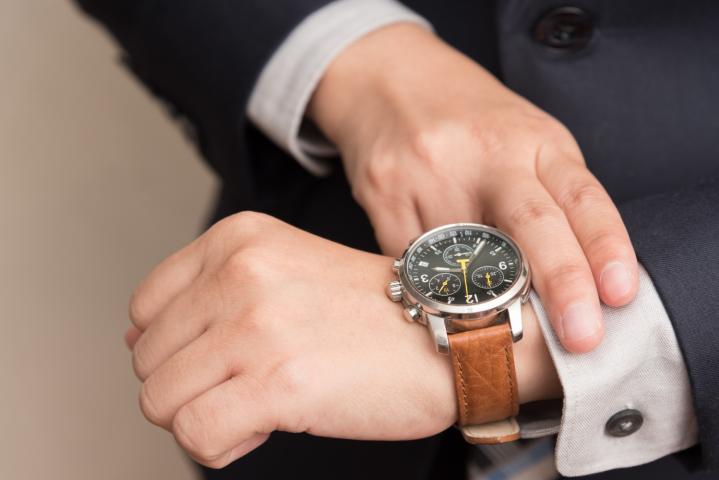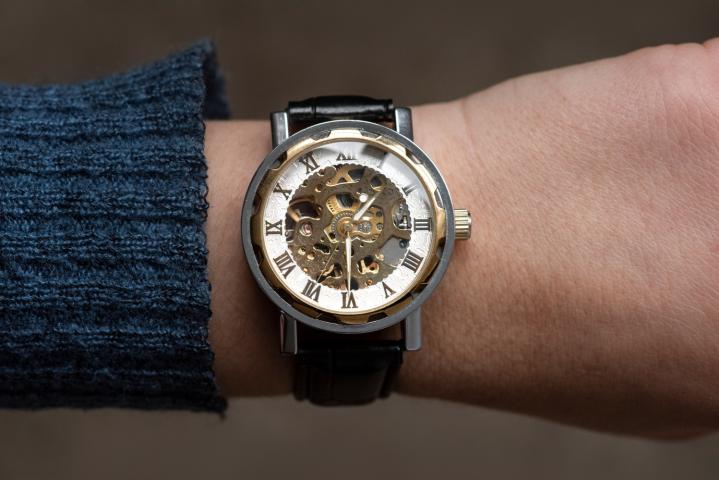

Mechanical watches have always held a special place among watch enthusiasts. Unlike battery-powered watches, they rely on intricate engineering, craftsmanship, and movement precision. Over the years, certain movements have gained worldwide recognition for their reliability and performance, making them a preferred choice for many watch brands and collectors.
One such highly regarded category is Swiss ETA Watches, known for their mechanical excellence and consistency.
Why Mechanical Watch Movements Matter
The movement of a watch is its heart. It determines accuracy, durability, and overall performance. Mechanical movements, especially those developed in Switzerland, are admired for their craftsmanship and long-standing tradition in horology.
Key reasons mechanical movements are valued include:
-
Smooth sweeping seconds hand
-
Engineering complexity
-
Long-term serviceability
-
Heritage and craftsmanship appeal
These qualities make mechanical watches more than accessories—they become collectibles.
Understanding Swiss Watch Engineering
Swiss watchmaking is synonymous with precision and reliability. Movements produced in Switzerland are often assembled under strict quality standards, ensuring consistency across large production volumes.
Common features of Swiss mechanical movements include:
-
High-grade components
-
Stable timekeeping performance
-
Shock-resistant construction
-
Easy availability of servicing parts
These features contribute to their popularity across various price segments.
Performance and Accuracy Expectations
Mechanical watches are appreciated for their craftsmanship rather than absolute accuracy. While quartz watches may outperform them in precision, mechanical movements offer charm and engineering value.
Typical characteristics include:
-
Daily accuracy variance within acceptable ranges
-
Power reserves designed for daily wear
-
Smooth mechanical operation
Proper care and regular servicing help maintain optimal performance over time.
Who Chooses Mechanical Movement Watches?
Mechanical movement watches attract a wide range of buyers, including:
-
Watch enthusiasts and collectors
-
Professionals seeking classic timepieces
-
Individuals who appreciate traditional craftsmanship
-
Buyers exploring entry-level mechanical watches
For many, these watches represent a balance between performance and heritage.
Design and Compatibility
Mechanical movements are often used in watches inspired by classic and modern designs. Their adaptability allows manufacturers to create timepieces across >
-
Dress watches
-
Sports and diver watches
-
Chronograph designs
-
Everyday professional wear
This versatility makes them suitable for various life>
Maintenance and Care
Unlike quartz watches, mechanical watches require periodic maintenance. Proper care ensures longevity and reliable performance.
Basic care tips include:
-
Regular servicing every few years
-
Avoiding strong magnetic fields
-
Proper storage when not in use
-
Wearing the watch regularly to keep the movement active
With the right maintenance, these watches can last for decades.
Important Considerations for Buyers
When purchasing a mechanical watch, buyers should:
-
Understand movement specifications
-
Verify seller credibility
-
Avoid misleading authenticity claims
-
Set realistic expectations regarding performance
Informed decisions help buyers appreciate the value and craftsmanship behind the watch.
Final Thoughts
Mechanical watches continue to captivate watch lovers due to their engineering, tradition, and timeless appeal. While not designed to replace high-end luxury horology, watches powered by well-known Swiss movements offer a meaningful experience for those who value precision, heritage, and mechanical artistry.