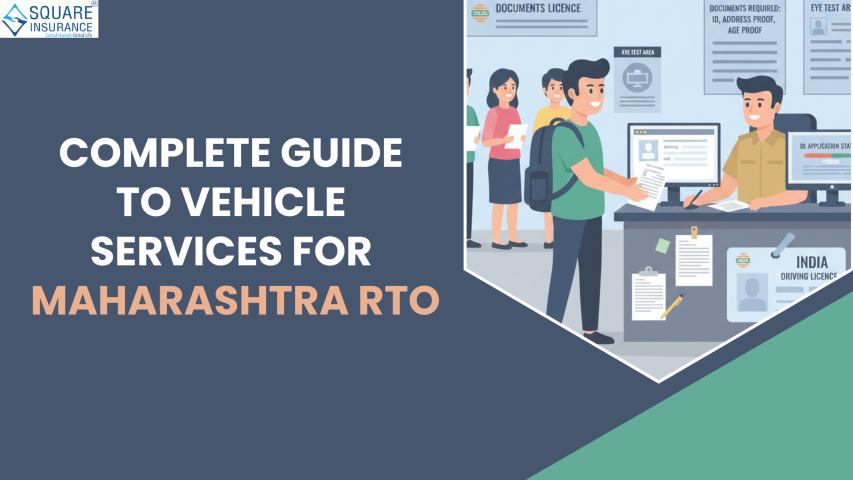

The Maharashtra Regional Transport Office (Maharashtra RTO) plays a vital role in regulating road transport, ensuring legal compliance, and maintaining safety standards across the state. With one of the largest vehicle populations in India, Maharashtra requires a structured and transparent system for issuing vehicle permits, registrations, and licenses. Whether you are a private vehicle owner, a commercial fleet operator, or a first-time applicant, understanding how Maharashtra Regional Transport Office (RTO) functions can save time, money, and unnecessary hassles.
This guide has been written from the perspective of an experienced insurance and transport-domain content specialist, ensuring accuracy, clarity, and real-world relevance. It focuses specifically on vehicle permits in Maharashtra, explaining their types, application process, documentation, fees, and common challenges, making it a complete resource for users and businesses alike.
Understanding the Role of Maharashtra RTO
The Maharashtra RTO operates under the Motor Vehicles Act, 1988, and is responsible for implementing transport laws across districts. Its core responsibilities include:
- Issuance and renewal of vehicle permits
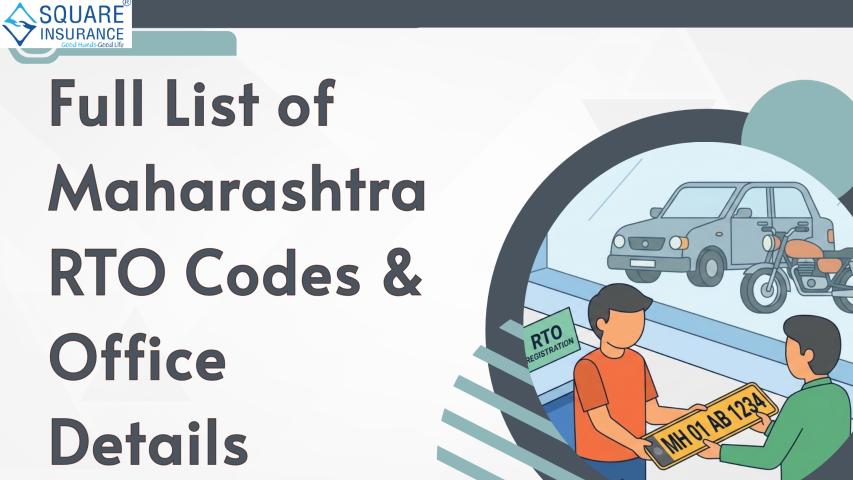
- Registration of motor vehicles
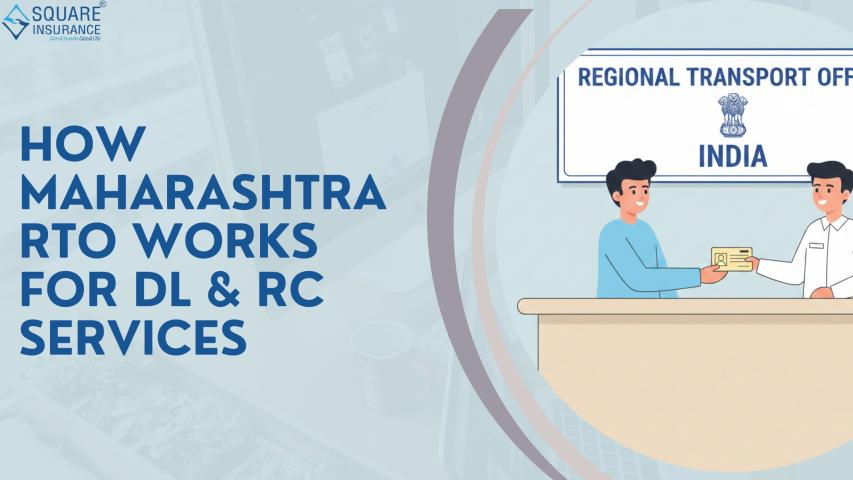
- Grant of driving licenses and learner licenses
- Collection of road tax and permit fees
- Enforcement of transport rules and emission norms
For commercial vehicles especially, the RTO acts as a regulatory authority that ensures vehicles operate legally, safely, and within approved jurisdictions.
What Are Vehicle Permits and Why Are They Important?
A vehicle permit is an official authorization issued by the RTO that allows a transport vehicle to operate on public roads for commercial purposes. Without a valid permit, running a commercial vehicle can lead to penalties, fines, or even seizure.
Vehicle permits are essential for:
- Goods carriers and logistics vehicles
- Passenger transport such as taxis, buses, and auto-rickshaws
- Interstate commercial operations
- Contract carriage and stage carriage services
Permits help the government regulate traffic flow, manage pollution, and ensure fair competition among transport operators.
Types of Vehicle Permits Issued by Maharashtra RTO
Maharashtra RTO issues different permits based on vehicle usage and operational area:
1. Goods Carriage Permit
Issued for vehicles transporting goods. These can be:
- National Permit: Valid across multiple states
- State Permit: Restricted to Maharashtra
2. Passenger Vehicle Permit
For vehicles carrying passengers for hire, such as:
- Taxis and cabs
- Auto-rickshaws
- Private and public buses
3. Contract Carriage Permit
Allows vehicles to operate under a contract with individuals or organizations, not open to the general public.
4. Stage Carriage Permit
Issued mainly to buses operating on fixed routes and schedules, picking up passengers along the way.
5. Temporary Permit
Granted for short-term requirements like fairs, seasonal business, or emergency transport needs.
Eligibility Criteria for Applying for a Vehicle Permit
To apply for a vehicle permit in Maharashtra, applicants must meet certain criteria:
- Vehicle must be registered with Maharashtra RTO
- Valid insurance policy covering commercial use
- Pollution Under Control (PUC) certificate
- Fitness certificate for transport vehicles
- Applicant must be above 18 years and legally eligible
Commercial vehicle owners must ensure their documentation is accurate and up to date to avoid application rejection.
Step-by-Step Process to Apply for Vehicle Permits in Maharashtra
Step 1: Choose the Correct Permit Type
Identify whether you need a state, national, goods, or passenger permit based on your vehicle usage.
Step 2: Prepare Required Documents
Commonly required documents include:
- Registration Certificate (RC)
- Valid insurance policy
- Fitness certificate
- PUC certificate
- Address and identity proof
- Tax payment receipts
Step 3: Submit Application
Applications can be submitted online through the transport portal or offline at the respective RTO office.
Step 4: Pay Applicable Fees
Permit fees vary based on vehicle category, duration, and operational area.
Step 5: Verification and Approval
RTO authorities verify documents and vehicle compliance before issuing the permit.
Fees and Validity of Vehicle Permits
Permit charges depend on:
- Vehicle type (light, medium, heavy)
- Permit category (state or national)
- Duration (temporary or long-term)
Typically, permits are valid for 5 years, subject to periodic renewal. Delayed renewals can attract penalties.
Common Challenges Faced by Applicants
Many vehicle owners face issues such as:
- Incomplete documentation
- Incorrect permit selection
- Lapsed insurance or fitness certificates
- Lack of awareness about renewal timelines
From an insurance standpoint, one of the most overlooked aspects is inadequate or expired commercial vehicle insurance, which often leads to permit rejection.
Importance of Insurance in Vehicle Permit Approval
A valid insurance policy is mandatory for all vehicles applying for permits. For commercial vehicles, insurance coverage must align with usage, goods carriage or passenger transport. Proper insurance not only ensures compliance but also protects vehicle owners from financial losses due to accidents, third-party claims, or legal liabilities.
Frequently Asked Questions (FAQs)
Q1. Is a vehicle permit mandatory for all commercial vehicles in Maharashtra?
Yes, any vehicle used for commercial purposes must have a valid RTO-issued permit.
Q2. Can I apply for a Maharashtra vehicle permit online?
Yes, applications can be initiated online, though some cases may require an RTO visit for verification.
Q3. What happens if I operate without a valid permit?
Operating without a permit can lead to heavy fines, penalties, or vehicle seizure.
Q4. How long does it take to get a vehicle permit approved?
Approval timelines vary but usually range from a few days to a couple of weeks, depending on document verification.
Q5. Is insurance compulsory for permit renewal?
Yes, a valid and active insurance policy is mandatory for permit issuance and renewal.
Conclusion
Maharashtra RTO serves as a crucial pillar in managing the state’s vast transport ecosystem. Understanding vehicle permits, their types, application process, and compliance requirements, helps vehicle owners operate legally and efficiently. From an insurance expert’s perspective, maintaining proper coverage is just as important as holding a valid permit, as both work together to ensure safety, compliance, and financial security.
Square Insurance simplifies the insurance aspect for vehicle owners by offering easy access to suitable policies, helping ensure uninterrupted permit approvals and peace of mind.
Please Note:- Manage your policies seamlessly with Square Insurance POS Apps on Google Play, enabling access anytime and anywhere.