Introduction
Car insurance is no longer just a
legal requirement—it is a financial shield that protects car owners from
unexpected expenses, legal liabilities, and stress caused by accidents, theft,
or natural disasters. Whether you are a new car owner or someone who has been
driving for years, understanding car insurance thoroughly helps you make
smarter decisions and avoid costly mistakes.
This guide is written for every car owner in India, combining
real-world experience, expert insights, and practical advice to help you
choose, manage, and renew your car insurance with confidence.
What Is Car Insurance and Why It Matters
Car insurance is a contract between
you and the insurer, where the insurer agrees to cover financial losses related
to your car in exchange for a premium. These losses may arise due to accidents,
theft, fire, floods, riots, or legal liabilities toward third parties.
Beyond legal compliance, car
insurance ensures:
- Financial protection against major repair bills
- Coverage for third-party injury or property damage
- Peace of mind while driving
- Compliance with Indian motor laws
In short, car insurance safeguards
both your vehicle and your personal finances.
Types of Car Insurance Policies in India
Understanding the different types of
car insurance is essential before buying or renewing a policy.
1.
Third-Party Car Insurance
This is the minimum insurance
required by law. It covers:
- Injury or death of a third party
- Damage to third-party property
What it doesn’t cover:
Damage to your own vehicle is not included.
2.
Comprehensive Car Insurance
This is the most recommended option
for car owners. It includes:
- Third-party liability coverage
- Own-damage cover for your car
- Protection against theft, fire, natural calamities, and
accidents
Comprehensive policies offer wider
coverage and flexibility through add-ons.
3.
Standalone Own-Damage Policy
If you already have third-party
insurance, this policy covers damage to your own car separately.
What Does Car Insurance Cover?
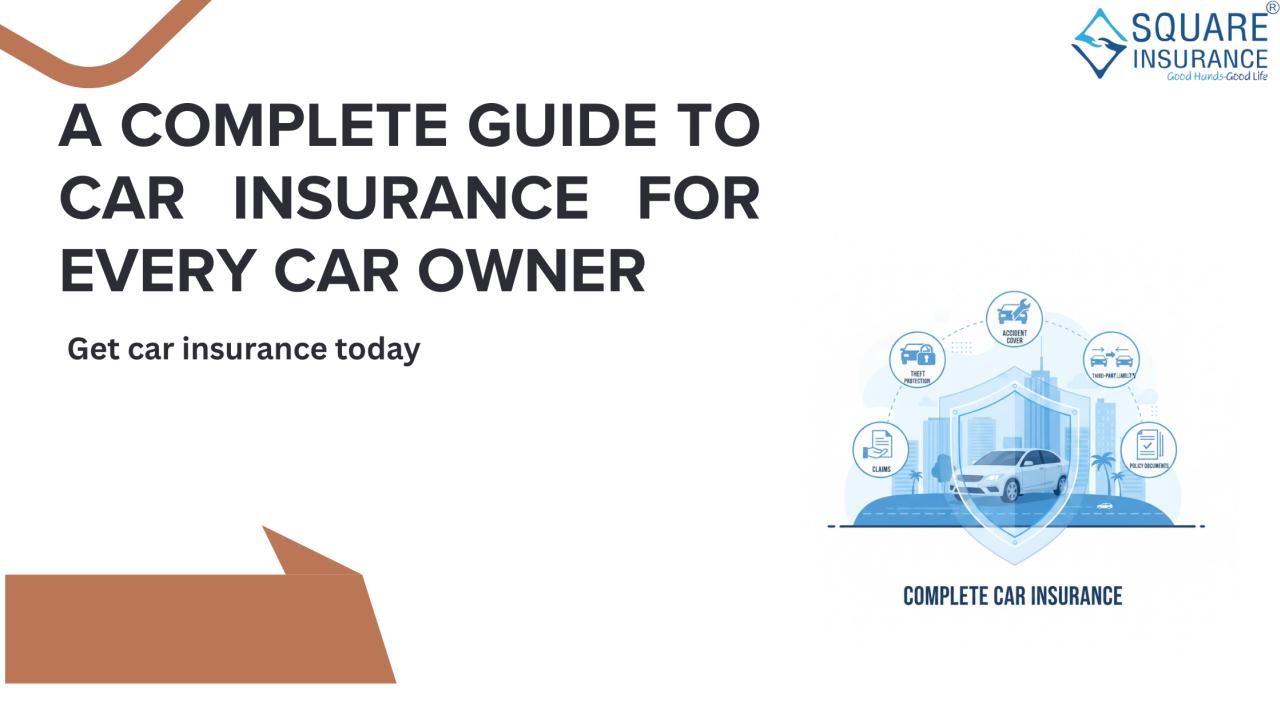
A standard comprehensive car
insurance policy generally covers:
- Road accidents and collisions
- Theft or total loss of the car
- Fire and explosions
- Natural disasters like floods, earthquakes, cyclones
- Man-made calamities such as riots or vandalism
However, coverage depends on policy
terms, so reading inclusions and exclusions carefully is crucial.
Common Exclusions You Should Know
Car insurance does not cover
everything. Common exclusions include:
- Driving without a valid license
- Driving under the influence of alcohol or drugs
- Normal wear and tear
- Mechanical or electrical breakdowns
- Damage caused outside the geographical limits of the
policy
Being aware of exclusions helps
avoid claim rejections.
Factors That Affect Your Car Insurance Premium
Several factors influence how much
premium you pay:
- Insured Declared Value (IDV): Higher IDV leads to higher premium
- Car age:
Older cars usually have lower IDV
- Engine capacity & model: Premiums vary by vehicle type
- Location:
Metro cities often have higher premiums
- Claim history:
Fewer claims help reduce costs
Understanding these factors allows
you to manage premium costs effectively.
Importance of Add-On Covers
Add-ons enhance your policy and
provide extra protection. Popular add-ons include:
- Zero Depreciation Cover: Reduces repair costs during claims
- Engine Protection Cover: Useful in flood-prone regions
- Roadside Assistance:
Offers help during breakdowns
- Return to Invoice Cover: Pays full invoice value in case of total loss
Add-ons are optional but can be
extremely valuable depending on usage and location.
How to Choose the Right Car Insurance Policy
Every car owner should evaluate a
policy based on:
- Coverage offered, not just premium price
- Claim settlement experience
- Network garage availability
- Transparency in terms and conditions
- Flexibility to customize coverage
Avoid choosing a policy solely based
on low cost, as insufficient coverage may result in higher expenses later.
Understanding the Car Insurance Claim Process
Knowing how claims work helps you
stay prepared during emergencies.
- Inform the insurer immediately after an incident
- Register the claim online or through customer support
- Submit required documents such as RC, driving license,
and FIR if applicable
- Vehicle inspection and approval
- Repair settlement or reimbursement
Opting for cashless claims at network garages makes the process smoother.
Why Timely Renewal of Car Insurance Is Crucial
Car insurance policies are usually
valid for one year. Delayed renewal can lead to:
- Loss of No Claim Bonus (NCB)
- Higher premium after lapse
- Legal penalties for driving uninsured
Always review coverage during
renewal instead of renewing blindly.
Conclusion
Car insurance is an essential part
of responsible car ownership. From choosing the right coverage to understanding
claims and renewals, being informed helps you avoid financial setbacks and
legal troubles.
Platforms like Square Insurance
simplify car insurance for every car owner by offering transparent policy
comparisons, expert assistance, and a smooth buying experience. With the right
guidance and coverage, you can drive confidently, knowing you are well
protected.
Frequently Asked Questions
1.
Is car insurance mandatory in India?
Yes, at least third-party car
insurance is legally required to drive on Indian roads.
2.
Which car insurance policy is best for car owners?
Comprehensive car insurance is ideal
as it offers both own-damage and third-party coverage.
3.
How often should I renew my car insurance?
Car insurance should be renewed
every year before the expiry date.
4.
Can I change my car insurance provider during renewal?
Yes, you can switch insurers at the
time of renewal without losing benefits if done correctly.
5.
What is No Claim Bonus (NCB)?
NCB is a reward given for not making
claims during the policy period, which reduces your renewal premium.