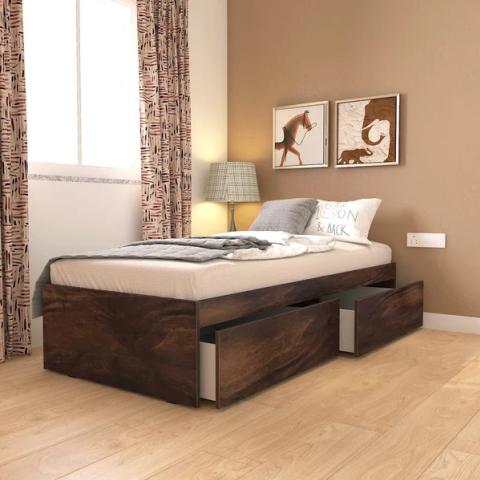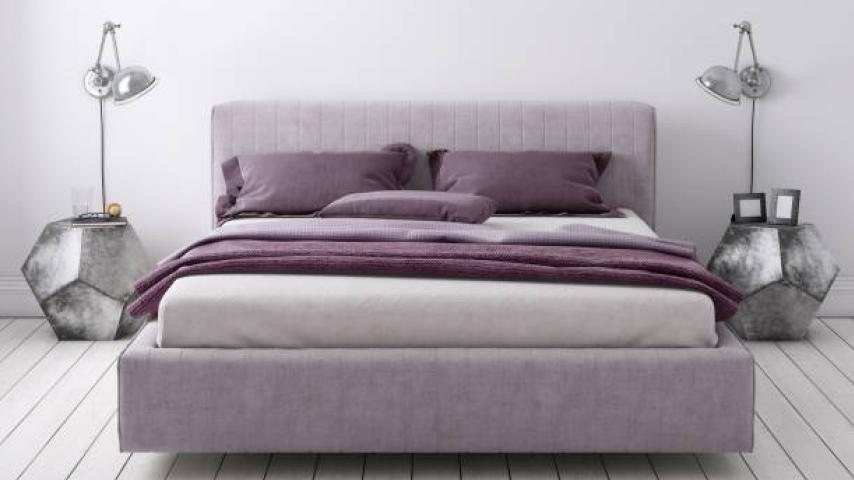

Every home needs a place where rest feels natural. A single size mattress often fills this role with ease. It suits children, teens, guests, and adults who value space control. This mattress type fits small rooms and supports calm sleep habits. It allows homes to breathe and routines to flow. This article explains how size, use, and daily life connect, so readers can choose with care and confidence.
Why Size Plays a Key Role in Sleep Quality
Sleep depends on posture and space. When a bed matches the sleeper, rest feels steady.
Body alignment
A well-matched bed keeps the spine level.
This reduces strain on the neck and back.
Room balance
A compact bed leaves room for desks or storage.
This helps rooms feel open and usable.
Daily rhythm
Simple bed care saves time.
As a result, routines stay smooth.
Because size shapes comfort, many homes start with a single mattress size that fits both body and room needs.
Understanding the Single Mattress Size in Daily Use
A single mattress size suits solo sleepers who need focus and order. It supports rest without excess space.
Ideal users
Children gain room to grow.
Teens enjoy personal space.
Adults in studio homes sleep with ease.
Easy movement
The bed allows quick turns during sleep.
This helps the body relax.
Simple upkeep
Lighter frames ease cleaning.
Sheets fit without struggle.
For many homes, the single mattress size brings structure and calm. It offers comfort while keeping rooms neat. With this balance, sleep feels natural rather than forced.
When a Super Single Bed Size Makes Sense
Some sleepers need more width but still want control. A super single bed size answers this need.
Extra stretch
Broader space supports taller bodies.
Limbs rest without edge pressure.
Shared rooms
Siblings gain comfort without crowding.
Each bed keeps clear boundaries.
Growing needs
Teens outgrow narrow beds.
This size supports change without room loss.
The super single bed size sits between compact and wide options. It serves sleepers who want freedom without excess. In many homes, this size brings long-term value.
How to Match Bed Size With Room Layout
Room shape guides mattress choice. Thoughtful planning prevents later strain.
Measure first
Note wall length and door swing.
This avoids tight corners.
Plan movement
Leave paths for walking.
This supports safety and flow.
Balance furniture
Beds should not block light.
Open space lifts mood.
In smaller rooms, a single size mattress keeps movement clear. In wider rooms, a super single bed size may fit with ease. Each choice depends on layout rather than trend.
Comfort Factors Beyond Size
Size matters, yet comfort comes from more than width or length.
Support core
A strong base holds body weight.
This protects posture.
Surface feel
Firm or gentle tops change sleep tone.
Each sleeper senses comfort in a unique way.
Breath control
Airflow helps manage warmth.
This supports steady rest.
When these elements align with a single mattress size, sleep quality improves. The bed then serves both body and mind.
Making a Choice That Lasts
A mattress stays in daily use for years. Careful thought prevents regret.
Test posture
Lie down and check spine line.
Comfort should feel natural.
Review habits
Side or back sleep affects needs.
Choose support that matches habit.
Think ahead
Growth and change matter.
Select a size that adapts.
Whether one chooses a single size mattress or shifts toward a super single bed size, the goal remains clear. Rest should feel steady, safe, and personal. When bed size fits life, sleep becomes a quiet strength rather than a daily struggle.