
E-commerce marketing refers to the strategies and techniques used to promote online stores, attract customers, and increase sales through digital channels. With the rapid growth of online shopping, e-commerce marketing has become essential for businesses looking to stand out in a competitive digital marketplace. It combines technology, data, and creativity to reach the right audience and convert visitors into loyal customers.
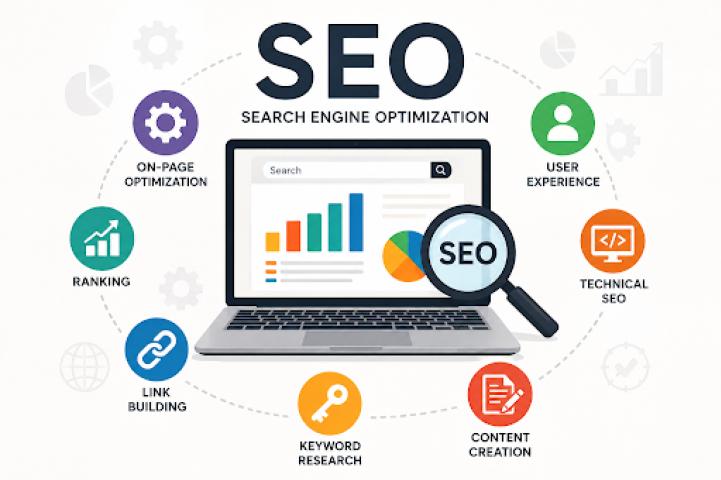
One of the core elements of e-commerce marketing is search engine optimization (SEO). SEO helps online stores rank higher on search engines, making products more visible to potential buyers. Optimizing product pages with relevant keywords, clear descriptions, high-quality images, and fast-loading pages improves organic traffic and user experience. Strong SEO strategies build long-term visibility and reduce dependency on paid advertising.
Paid advertising is another powerful component of e-commerce marketing. Platforms such as Google Ads and Meta Ads allow businesses to promote products through search ads, display ads, and social media ads. These ads can be highly targeted based on user interests, behavior, and purchase intent. Retargeting ads are especially effective in e-commerce, as they remind users of products they viewed but did not purchase, increasing the chances of conversion.
Social media marketing plays a major role in driving brand awareness and engagement for e-commerce businesses. Platforms like Instagram, Facebook, and TikTok enable brands to showcase products through posts, stories, reels, and influencer collaborations. Social commerce features, such as in-app shopping and product tagging, make it easier for users to discover and purchase products directly from social media platforms.
Email marketing is a highly effective channel for e-commerce marketing. Automated emails such as welcome messages, abandoned cart reminders, order confirmations, and promotional campaigns help nurture customer relationships and drive repeat purchases. Personalized email content based on customer behavior and preferences improves engagement and boosts conversion rates.
Customer experience is a key factor in e-commerce success. A user-friendly website, secure payment options, clear return policies, and fast checkout processes enhance customer trust and satisfaction. Reviews, ratings, and user-generated content also influence purchasing decisions and help build credibility.
Data and analytics are essential for optimizing e-commerce marketing strategies. Tools like Google Analytics, GA4, and e-commerce dashboards provide insights into customer behavior, sales performance, and marketing effectiveness. By analyzing metrics such as conversion rate, average order value, and customer lifetime value, businesses can refine strategies and improve results.
In conclusion, e-commerce marketing is a comprehensive approach that combines SEO, paid ads, social media, email marketing, and data analysis to drive online sales. By focusing on customer experience and continuous optimization, businesses can build strong online stores, increase revenue, and achieve sustainable growth in the evolving digital marketplace.