Introduction: Setting the Stage for Virtual Events in 2026
The landscape of the event industry is in perpetual motion, with virtual events emerging not just as a pandemic-induced necessity, but as a powerful, enduring force shaping how we connect, learn, and do business. As we look towards 2026, the evolution of online engagement is accelerating, driven by technological advancements and a deeper understanding of attendee expectations.
The virtual events global market has continued to grow rapidly in recent years, up to $236.69 billion in 2025 from $193.45 billion in 2024 [Cvent, 2025].
This surge signifies a fundamental shift, indicating that virtual events are not a fleeting trend but a cornerstone of future event strategies. Event organizers must look beyond basic online presentations to embrace sophisticated, immersive, and highly personalized experiences.
This article explores the critical virtual event trends defining 2026, offering insights into how event professionals can harness these innovations to elevate engagement, foster community, and drive unparalleled results.
The Enduring Evolution of Online Engagement
The journey of virtual events has been one of rapid adaptation and innovation. Initially serving as a functional alternative, they are now poised to surpass traditional formats in many aspects of attendee engagement and data capture.
The Enduring Evolution of Online Engagement
The initial adoption of virtual events was largely driven by necessity, but their sustained presence is a testament to their inherent advantages. This evolution is characterized by a move from static broadcasts to dynamic, interactive experiences.
As attendees increasingly seek flexibility and accessibility, virtual formats are becoming integral to a comprehensive event strategy. The focus has shifted from merely replicating in-person interactions to creating entirely new, engaging online formats. This continuous improvement cycle ensures that virtual events remain a vital component of the event industry.
Why Virtual Continues to Redefine the Events Industry
Virtual events offer distinct advantages that are redefining the event industry. Their global reach allows organizers to connect with a broader audience than ever before, breaking geographical barriers and democratizing access to information and networking opportunities. Furthermore, the inherent data-rich nature of these platforms provides invaluable insights into attendee behavior, preferences, and engagement levels, empowering event organizers to refine their strategies and demonstrate tangible ROI.
The fact that 93% of event organizers believe virtual events are here to stay [Virtual Event Statistics, 2025] underscores their recognized value and integration into standard event management practices.
A Glimpse into the Future: What to Expect from Virtual Experiences
The future of virtual experiences in 2026 will be defined by deeper levels of interactivity, hyper-personalization, and seamless integration with physical counterparts. We can expect advanced AI to drive highly curated attendee journeys, immersive technologies to create captivating environments, and a renewed emphasis on building lasting online communities. This evolution is not about replacing in-person events entirely, but about expanding the possibilities for connection and engagement.
Trend 1: Hyper-Personalization Powered by Advanced AI
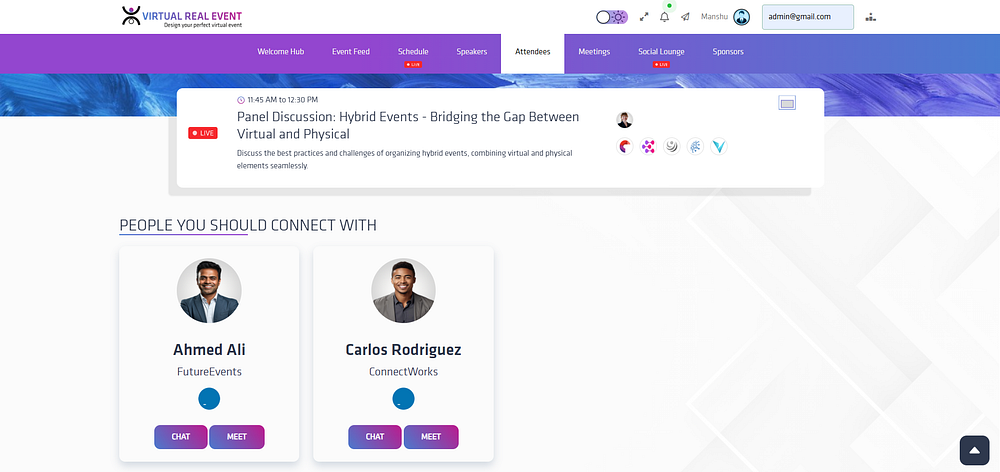
Artificial intelligence is transitioning from a novel feature to an indispensable driver of sophisticated event experiences, enabling unprecedented levels of personalization for every attendee.
Beyond Basic Segmentation: The Era of Hyper-Personalization
Gone are the days of simple demographic segmentation. In 2026, hyper-personalization will be the standard, leveraging AI to tailor every aspect of the virtual event to the individual attendee. This means moving beyond broad categories to understand unique preferences, learning >engagement.
AI-Driven Attendee Journeys and Content Delivery
AI algorithms will meticulously map out individualized attendee journeys, dynamically adjusting pathways based on real-time interaction and expressed interests. This ensures that content delivered is not only relevant but also presented in the most impactful way for each individual. An event platform equipped with AI can curate personalized content streams, recommend specific sessions, and even tailor exhibitor interactions, creating a bespoke experience for every attendee.
AI-Built Agendas and Recommendations for Virtual Participants
The creation of event agendas will be revolutionized by AI. Instead of static schedules, AI will generate personalized agendas for each attendee, suggesting sessions, workshops, and networking opportunities that align with their profiles and stated objectives. This intelligent recommendation engine, often integrated into an event app, maximizes an attendee’s time and ensures they gain the most value, directly contributing to their satisfaction and engagement.
Leveraging First-Party Data and Behavioral Insights for Tailored Experiences
The bedrock of hyper-personalization is robust data. By analyzing first-party data collected through surveys, registration forms, and in-app interactions, AI can gain deep insights into attendee behavior. This data allows event organizers to understand not just who is attending, but how they are engaging, what topics resonate most, and what their pain points are. This empowers them to deliver truly tailored experiences that drive leads and foster deeper connections.
AI-Powered Virtual Assistants for Proactive Attendee Support
AI-powered virtual assistants and chatbots will become ubiquitous, offering instant, 24/7 support to attendees. These intelligent assistants can answer FAQs, navigate the event platform, provide session reminders, and even facilitate initial networking connections. This proactive support streamlines the attendee experience, reduces the burden on human staff, and ensures a smoother, more efficient event flow.
Trend 2: Immersive & Experiential Virtual Environments
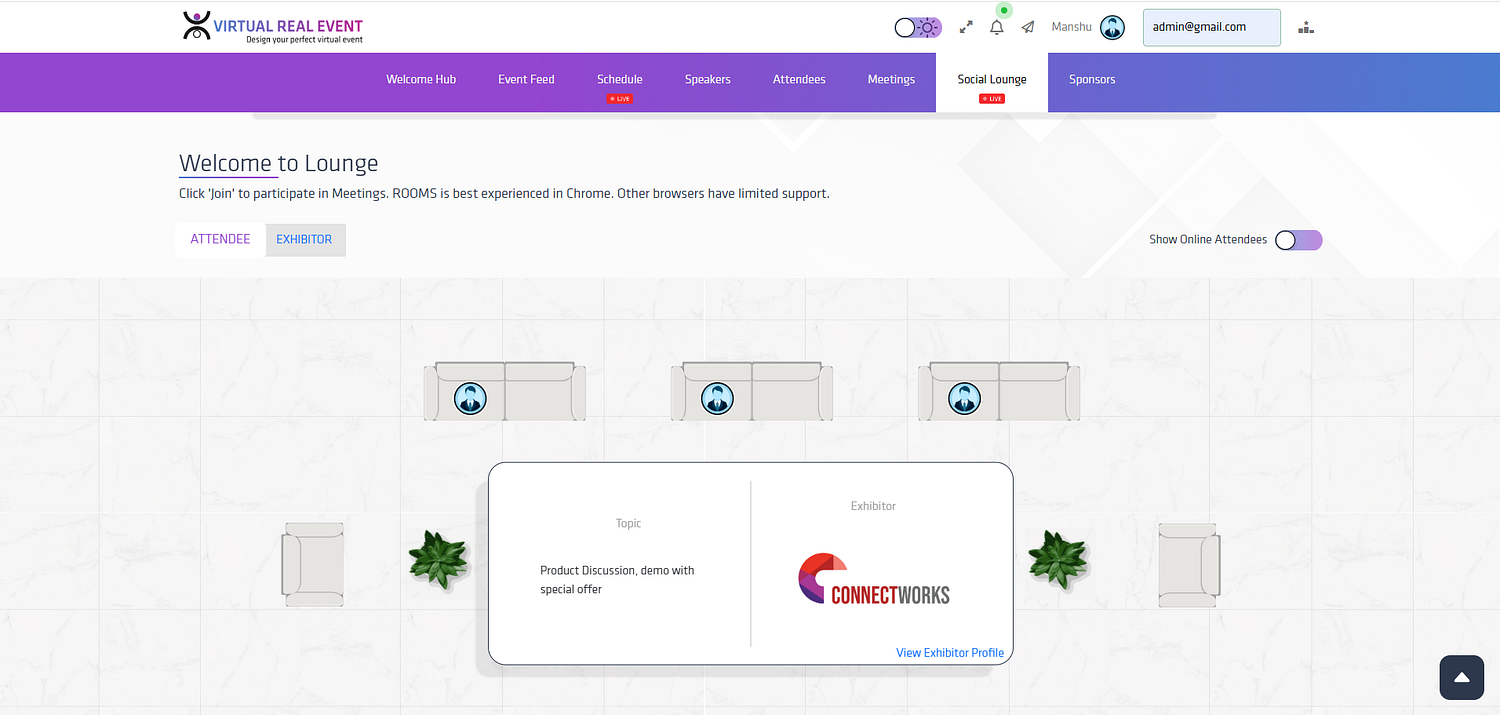
The move beyond flat-screen presentations is reshaping virtual events into engaging, interactive digital landscapes that capture and hold attendee attention.
Breaking the 2D Barrier: The Rise of Immersive Virtual Events
Virtual events in 2026 will shatter the limitations of the traditional 2D interface. Immersive technologies are transforming online gatherings into dynamic, multi-dimensional experiences that foster deeper engagement. This shift moves beyond passive viewing to active participation, creating memorable and impactful events.
The virtual events global market is expected to grow at a compound annual growth rate of 20.0% from 2025 to 2030, reaching USD 297.16 billion by 2030 [Grand View Research, 2025], a growth fueled by these experiential advancements.
Exploring the Metaverse, Virtual Reality (VR), and Avatars in Digital Spaces
The convergence of virtual events with concepts like the Metaverse, VR, and persistent digital spaces will offer new avenues for interaction. Attendees, represented by avatars, can navigate virtual environments, interact with each other, and engage with content in more naturalistic ways. This technology opens up possibilities for virtual campuses, collaborative workspaces, and engaging brand activations that transcend the limitations of standard web interfaces.
Gamified Online Worlds and Interactive Elements for Enhanced Engagement
Gamification is a powerful tool for driving engagement in virtual environments. Incorporating game mechanics such as leaderboards, points, badges, and challenges within the event encourages active participation, friendly competition, and sustained interaction.
Elements like interactive polls, Q&A sessions, and live quizzes further enhance the participatory nature of virtual events, ensuring attendees are actively involved rather than passively observing.
Crafting Virtual Stages, Virtual Booths, and Dynamic Content Delivery
The design of virtual spaces will become as critical as the content itself. Virtual stages can be designed with dynamic backdrops and interactive elements, while virtual booths can offer rich media experiences, live demos, and direct chat functionalities for exhibitors. Dynamic content delivery, adapting to user interaction and real-time feedback, will keep attendees captivated and informed.
Multi-Camera Streams and Rich Media for Captivating Virtual Experiences
To enhance the visual appeal and storytelling capabilities of virtual events, multi-camera streams and rich media integration will become standard. High-quality video production, live streaming from multiple angles, and the seamless incorporation of videos, animations, and interactive graphics will create a more dynamic and compelling viewing experience for attendees. This elevates the production value and mimics the richness of high-quality in-person presentations.
Trend 3: Seamless Hybrid Experiences — Bridging the Physical and Virtual
Hybrid events are evolving from a dual-track approach to a truly integrated experience, where virtual and in-person components are designed to complement and enhance each other.
The Hybrid Imperative: Virtual as an Integral Part of the In-Person Event
In 2026, hybrid events are no longer an afterthought but a strategic imperative. Event organizers are recognizing that offering both virtual and in-person events options caters to a wider range of attendee preferences and needs. The virtual component becomes an indispensable extension of the physical event, providing accessibility, expanding reach, and offering a flexible experience for those unable to attend in person. As 93% of event organizers believe virtual events are here to stay, the integration of virtual into hybrid models is a logical next step.
Creating Cohesive Hybrid Formats and Unified Event Experiences
The challenge and opportunity in hybrid events lie in creating a unified experience for all attendees, regardless of their participation mode. This means ensuring that virtual participants feel as connected and engaged as those physically present. Effective hybrid formats will break down silos, allowing for seamless interaction and knowledge sharing between both groups, fostering a sense of shared community.
Strategic Integration of Virtual Attendance within Physical Events
Successful hybrid event design requires strategic planning for how virtual attendance enriches the in-person events. This could involve dedicated virtual networking sessions, live-streamed keynotes accessible globally, and virtual Q&A that includes input from both audiences. The goal is to make the virtual stream not just a broadcast but an interactive part of the overall event narrative.
Technology Solutions for a Seamless Hybrid Event Experience
The right event platform is crucial for orchestrating seamless hybrid events. Advanced platforms can manage registration for both modes, deliver integrated content, facilitate cross-audience networking, and provide unified analytics. An integrated event app can serve as a central hub for all attendees, offering access to schedules, speaker information, and networking tools for both virtual and physical participants.
Managing Hybrid Event Expectations and Maximizing Virtual Participation
Clear communication and management of expectations are vital for hybrid events. Event organizers must clearly outline the benefits and features of both virtual and in-person attendance. Strategies for maximizing virtual participation include targeted marketing, compelling online content, and interactive elements that specifically engage the remote audience, ensuring high attendance rates and satisfaction.
Trend 4: Data-Driven Event Excellence and Actionable Insights
The future of event management hinges on the sophisticated collection and analysis of data, transforming raw numbers into strategic intelligence.
From Attendance Metrics to Behavioral Data: The New Gold Standard
While attendance figures remain important, the true gold standard for virtual and hybrid events in 2026 will be deep behavioral data. Understanding how attendees navigate the event platform, which content they consume, how long they engage with exhibitors, and their participation in networking sessions provides invaluable insights. This granular data allows event organizers to move beyond superficial metrics to truly understand attendee needs and optimize future events.
Data Analytics for Proactive Decision Making and Predictive Readiness
Advanced data analytics empower event organizers to make proactive, informed decisions. By identifying patterns and trends in attendee behavior, organizers can anticipate needs, predict potential issues, and optimize event flow in real-time. This predictive readiness ensures a smoother experience for attendees and maximizes the effectiveness of the event’s offerings, contributing to better ROI and lead generation.
Real-Time Data Reporting and Live Analytics for On-the-Fly Optimization
The ability to access real-time data reporting and live analytics is transformative. This allows event organizers to monitor engagement levels, identify popular sessions, and gauge audience sentiment as the event unfolds. This immediate feedback loop enables on-the-fly adjustments to content delivery, session timing, or interactive elements, ensuring the event remains dynamic and responsive to attendee needs.
Measuring True Virtual ROI: Beyond Leads and Attendance
Demonstrating the true return on investment (ROI) of virtual events requires looking beyond basic metrics like leads and attendance. As 81% of organizations report higher returns on investment (ROI) from virtual events [99firms, 2025], it’s crucial to quantify other valuable outcomes. This includes measuring engagement levels, lead quality, brand awareness, attendee satisfaction, and the long-term impact on community building and customer loyalty.
Leveraging Data Tracking and Event Management Software for Strategic Growth
Effective data tracking, integrated within robust event management software and event platform solutions, is the key to strategic growth. By systematically collecting, analyzing, and acting upon data, event organizers can continuously improve their offerings, refine their marketing strategies, and demonstrate clear value to stakeholders. This data-informed approach is essential for sustained success in the evolving event industry.
Trend 5: Redefining Virtual Networking and Community Building
The focus is shifting from transactional interactions to fostering genuine connections and building enduring communities around events.
Curated Networking: AI-Driven Connections for Meaningful Interactions
Virtual networking has often been a challenge, but AI is set to revolutionize this aspect. By analyzing attendee profiles, interests, and professional goals, AI algorithms can facilitate highly curated matchmaking, connecting individuals who are most likely to benefit from interacting with each other. This moves beyond random encounters to intentional, value-driven connections, enhancing the attendee experience.
Evolving Breakout Rooms and Interactive Tools for Authentic Dialogue
Beyond basic breakout rooms, virtual events will feature more sophisticated interactive tools designed to foster authentic dialogue. These might include virtual whiteboarding sessions, collaborative project spaces, and moderated discussion forums that encourage deeper engagement among attendees. The event platform will play a key role in providing these rich interaction environments.
Fostering Year-Round Community Engagement Beyond the Event Window
The most successful virtual and hybrid events will extend their impact far beyond the live dates. The focus in 2026 will be on building and nurturing year-round community engagement. This can be achieved through dedicated online forums, exclusive member content, regular micro-events, and ongoing communication channels that keep attendees connected and invested in the brand or organization.
The Role of Social Media Groups and Digital Spaces in Sustaining Connections
Leveraging existing and creating new digital spaces, such as dedicated social media groups or private online communities, is crucial for sustaining networking and community beyond the event. These platforms act as ongoing touchpoints, allowing attendees to continue conversations, share insights, and build relationships long after the event concludes, fostering a loyal and engaged audience.
Creating Intentional Opportunities for Human Connection in Virtual Events
Ultimately, the goal is to facilitate genuine human connection, even in a virtual setting. Event organizers must be intentional about designing opportunities for spontaneous interaction, shared experiences, and authentic dialogue. This can involve icebreakers, facilitated networking sessions, and virtual social activities that encourage attendees to connect on a more personal level, enriching their overall experience.
Trend 6: Sustainable & Ethical Virtual Event Practices
As the event industry matures, a commitment to sustainability and ethical operations is becoming non-negotiable.
The Green Advantage: Virtual Events and Carbon-Neutral Initiatives
Virtual events inherently offer a significant environmental advantage by reducing travel-related carbon emissions. In 2026, event organizers will increasingly leverage this sustainability aspect as a key selling point. Beyond this, there’s a growing trend towards implementing carbon-neutral initiatives for the entire event lifecycle, including data center energy consumption and digital content delivery, appealing to environmentally conscious attendees and partners.
Sustainable Event Management and Reporting on Environmental Impact
Sustainable event management practices will extend to all aspects of virtual events. This includes choosing energy-efficient technologies, minimizing digital waste, and promoting responsible online behavior. Increasingly, event organizers will be expected to report on their environmental impact, demonstrating a tangible commitment to sustainability and transparency, which resonates with a growing segment of attendees and corporate sponsors.
Digital Ethics: Cybersecurity, Data Privacy, and Secure Virtual Environments
With the increased reliance on digital platforms, robust cybersecurity and data privacy measures are paramount. Event organizers must ensure their chosen event platform and associated technologies provide secure environments, protecting sensitive attendee data from breaches. Adhering to global data privacy regulations and clearly communicating data usage policies builds trust and ensures ethical operations.
Prioritizing Inclusivity and Accessibility for All Virtual Attendees
Sustainability in virtual events also encompasses inclusivity and accessibility. This means designing events that can be accessed and enjoyed by individuals with diverse needs, including those with disabilities. Features like closed captioning, sign language interpretation, adjustable font sizes, and compatibility with assistive technologies ensure that all attendees have an equitable experience, fostering a welcoming and inclusive digital space.
Ensuring Connectivity and Reliable Infrastructure for Global Participation
For global virtual events, ensuring reliable connectivity and robust infrastructure for all attendees is a critical aspect of ethical event planning. Event organizers must consider potential internet disparities and work to mitigate them, perhaps by offering offline content options or providing support for lower bandwidth access. This focus on infrastructure ensures that attendance is not limited by technological access.
The Critical Role of Event Technology & the Future Event Tech Stack
The right technology stack is the backbone of modern virtual and hybrid events, enabling innovation and streamlining operations.
Navigating Platform Choice: What to Look For in 2026
Selecting the right event platform is no longer a simple decision but a strategic one. In 2026, organizers will prioritize platforms offering robust AI capabilities for personalization and automation, immersive features, seamless hybrid integration, advanced analytics, and strong security protocols. Scalability, user-friendliness for both organizers and attendees, and flexible customization options will also be key differentiators.
The Event Tech Stack: Integration and Interoperability of Key Tools
A successful virtual event relies on an integrated ecosystem of technologies, not just a single platform. The future event tech stack will feature interoperability between CRMs, marketing automation tools, event management software, event apps, and the primary event platform. This integration ensures data flows seamlessly, automates workflows, and provides a holistic view of the attendee journey from initial marketing to post-event follow-up.
AI and Chatbots for Streamlined Event Management and Attendee Support
AI and chatbots are pivotal for streamlining event management tasks. They automate repetitive processes like registration, communication, and data entry, freeing up event organizers to focus on strategic initiatives. For attendees, AI-powered assistants offer immediate support, answer queries, and enhance overall navigation, significantly improving the user experience and driving engagement.
Enhancing Content Repository and On-Demand Content Libraries
The value of virtual events extends well beyond their live duration, largely due to enhanced content repositories. Event organizers will increasingly curate extensive on-demand libraries of session recordings, speaker presentations, and supplementary materials. This allows attendees to access valuable information at their convenience, extending the learning and engagement window and maximizing the return on content creation investment.
Ensuring Event Security and Data Protection in a Connected World
In an era of increasing digital threats, ensuring event security and data protection is non-negotiable. Event organizers must partner with event platform providers that prioritize robust cybersecurity measures, including encryption, secure login protocols, and compliance with data protection regulations. Protecting attendee data and maintaining a secure virtual environment are fundamental to building trust and ensuring the integrity of the event.
Monetization Strategies for the Virtual Age
Innovative monetization models are essential for ensuring the financial viability and growth of virtual and hybrid events.
Evolving Virtual Sponsorship Models and Sponsorship Packages
Sponsorship models are adapting to the unique opportunities presented by virtual events. Beyond traditional logo placements, sponsors will seek more integrated and engaging opportunities, such as sponsored virtual networking lounges, branded content streams, lead generation sessions, and interactive product demonstrations. Event organizers must demonstrate clear value and ROI to attract and retain sponsors in the virtual space.
Demonstrating Exhibitor ROI and Maximizing Sponsor Impressions
For exhibitors and sponsors, proving ROI in virtual events is paramount. This involves providing clear metrics on booth traffic, lead generation, content downloads, and direct interactions. Leveraging advanced analytics from the event platform, event organizers can help sponsors track the effectiveness of their participation, ensuring they gain valuable exposure and tangible leads.
Conclusion
The trajectory of virtual events points towards a future where online engagement is not an alternative, but an integral, sophisticated component of the global event industry.
As we move through 2026, the trends of hyper-personalization driven by AI, immersive and experiential environments, seamless hybrid integration, rigorous data analytics, redefined networking, and a commitment to sustainability and ethical practices will collectively shape the attendee experience.
Event organizers who embrace these advancements, leveraging sophisticated event platforms and event apps, will be best positioned to deliver exceptional value, foster deeper community, and achieve unprecedented success. The future of events is here, and it is dynamic, inclusive, and deeply connected.