Introduction
Motor insurance in India is not just a legal formality—it is a critical financial safety net for every vehicle owner planning to buy car insurance for long-term protection. With increasing traffic density, rising repair costs, and stricter enforcement of road laws, having the right motor insurance policy can protect you from sudden and expensive liabilities. Yet, many vehicle owners buy car insurance without fully understanding what their policy covers, what it excludes, and how to choose the best option for their needs.
What Is Motor Insurance?
Motor insurance is a contract between the
vehicle owner and the insurance company that provides financial protection
against losses due to accidents, theft, natural disasters, fire, and
third-party liabilities. In exchange for a premium, the insurer agrees to
compensate the insured for covered losses as per the policy terms.
In India, motor insurance is governed by the
Motor Vehicles Act, which mandates at least third-party liability coverage for
all vehicles using public roads.
Why Motor Insurance Is Mandatory in India
Third-party motor insurance is legally
compulsory to ensure that victims of road accidents receive compensation, even
if the at-fault driver cannot afford to pay. Driving without valid insurance
can lead to:
·
Heavy fines
·
Legal penalties
·
Vehicle impoundment
·
Liability for third-party medical and property costs
However, legal compliance is only one reason
to buy insurance. The real value lies in protecting your own vehicle and
finances from unpredictable risks.
Types of Motor Insurance Policies in India
Understanding policy types is the first step
to choosing the right coverage.
1. Third-Party Liability Insurance
This policy covers injuries, death, or
property damage caused to others by your vehicle. It does not cover damage to your own vehicle.
Best for:
Owners of old vehicles or those seeking minimum legal compliance.
2. Comprehensive Motor Insurance
This policy combines third-party liability
with own-damage coverage, protecting your vehicle against:
·
Accidents
·
Theft
·
Fire
·
Floods, storms, earthquakes
·
Vandalism
Best for:
Most vehicle owners who want complete financial protection.
3. Standalone Own-Damage Policy
This covers damage to your own vehicle but
must be purchased along with a separate third-party policy.
Best for:
Those who already have long-term third-party coverage and want flexibility.
What Is Covered Under Motor Insurance?
Coverage varies by policy type, but
comprehensive plans generally include:
·
Accident-related repair expenses
·
Theft and total loss
·
Natural calamities
·
Man-made disasters
·
Personal accident cover for owner-driver
These protections prevent sudden financial
stress during emergencies.
What Is Not Covered?
Equally important is knowing what insurance
does not cover:
·
Driving without a valid license
·
Driving under the influence of alcohol or drugs
·
Normal wear and tear
·
Mechanical or electrical breakdown
·
Consequential damages after delay in reporting
Understanding exclusions helps avoid claim
rejections and disputes.
Understanding IDV and Why It Matters
IDV (Insured Declared Value) is the maximum
amount the insurer pays if your vehicle is stolen or totally damaged. It
represents the current market value of your car after depreciation.
·
Higher IDV = higher premium but better
compensation
·
Lower IDV = cheaper premium but lower claim
payout
Choosing the right IDV ensures balanced
protection and fair pricing.
Add-On Covers That Improve Your Protection
Standard policies may not cover all real-world
risks. Add-ons allow customization based on your driving habits and location.
Popular add-ons include:
·
Zero
Depreciation Cover: Full claim without depreciation deduction
·
Engine
Protection: Useful in flood-prone areas
·
Return to
Invoice: Pays original invoice value in total loss
·
Roadside
Assistance: Emergency help during breakdowns
·
Consumables
Cover: Covers nuts, bolts, oils, and lubricants
These add-ons increase premium slightly but
significantly improve claim value.
How Premium Is Calculated
Your motor insurance premium depends on
several factors:
·
Vehicle age and model
·
Engine capacity
·
City of registration
·
IDV selected
·
Add-on covers
·
No Claim Bonus (NCB) history
Maintaining a clean driving record helps
reduce premiums through NCB discounts, which can reach up to 50%.
Importance of Timely Renewal
Allowing your policy to lapse can lead to:
·
Loss of NCB
·
Higher premium on renewal
·
Vehicle inspection requirements
·
Legal risk if driving uninsured
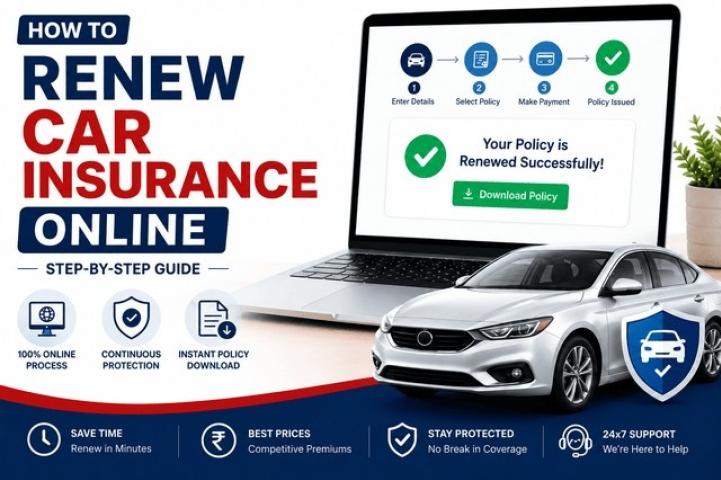
Renewing before expiry ensures uninterrupted
protection and preserves your accumulated discounts.
How to File a Motor Insurance Claim
A smooth claim process depends on timely and
correct steps:
1.
Inform insurer immediately after the incident
2.
File FIR if required (theft or major accidents)
3.
Submit documents and photographs
4.
Vehicle inspection by surveyor
5.
Repair at network garage or reimbursement process
Choosing insurers with strong claim settlement
ratios and wide garage networks improves claim convenience.
Common Mistakes to Avoid While Buying Motor
Insurance
Many policyholders unknowingly reduce their
coverage due to these mistakes:
·
Selecting only the cheapest premium
·
Ignoring add-on benefits
·
Choosing incorrect IDV
·
Not disclosing modifications
·
Delaying renewal
Insurance should be chosen based on risk
protection, not just cost.
Future of Motor Insurance in India
With increasing digitalization, motor
insurance is becoming:
·
Faster to buy
·
Easier to renew
·
Quicker in claims processing
·
More personalized through data-based pricing
Telematics, AI-driven inspections, and instant
policy issuance are shaping the future of vehicle protection in India.
Conclusion
Motor insurance is a long-term financial
safeguard, not just an annual formality. Choosing the right policy ensures
peace of mind on every journey, protects your savings from unexpected repair
bills, and safeguards you from legal liabilities. By understanding coverage,
add-ons, IDV, and claim procedures, you can make smarter insurance decisions
that truly protect your vehicle and your finances.
At Square Insurance, the focus is on helping vehicle owners understand their
insurance needs clearly and choose policies that offer genuine protection,
transparent benefits, and reliable support when it matters most.
Frequently Asked Questions
Q1. Is third-party motor insurance enough for my car?
Third-party insurance only covers damages to
others, not your own vehicle. For complete financial protection, comprehensive
insurance is strongly recommended.
Q2. Can I transfer my No Claim Bonus when
switching insurers?
Yes, NCB belongs to the policyholder, not the
insurer. You can transfer it while renewing or changing insurance providers.
Q3. What happens if my motor insurance
expires?
You lose coverage, NCB benefits, and may face
legal penalties if you drive uninsured. Late renewals may also require vehicle
inspection.
Q4. Are add-on covers really necessary?
Add-ons are optional but highly useful. Zero
depreciation and engine protection significantly reduce out-of-pocket expenses
during claims.
Q5. Does motor insurance cover damage due to
floods?
Flood damage is covered under comprehensive
policies, especially when supported by engine protection add-on cover.
Q6. Can I buy motor insurance for an old
vehicle?
Yes, insurers offer policies for old vehicles,
though premium and IDV may be lower. Add-ons may have restrictions based on vehicle
age.