Understanding IEC Power Connector Standards
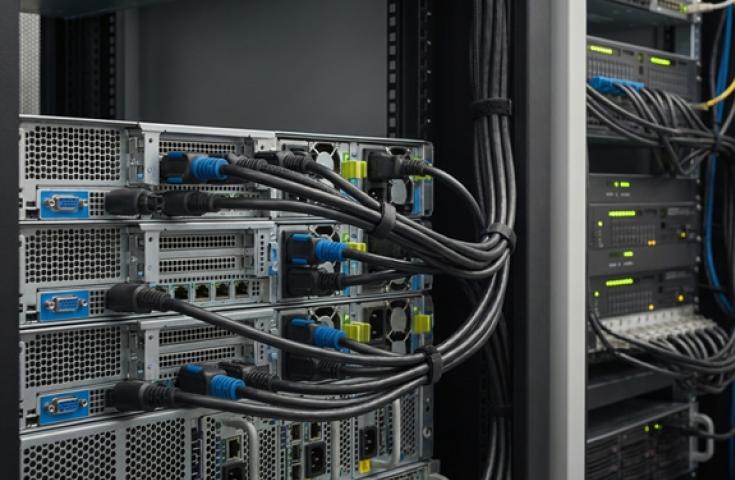
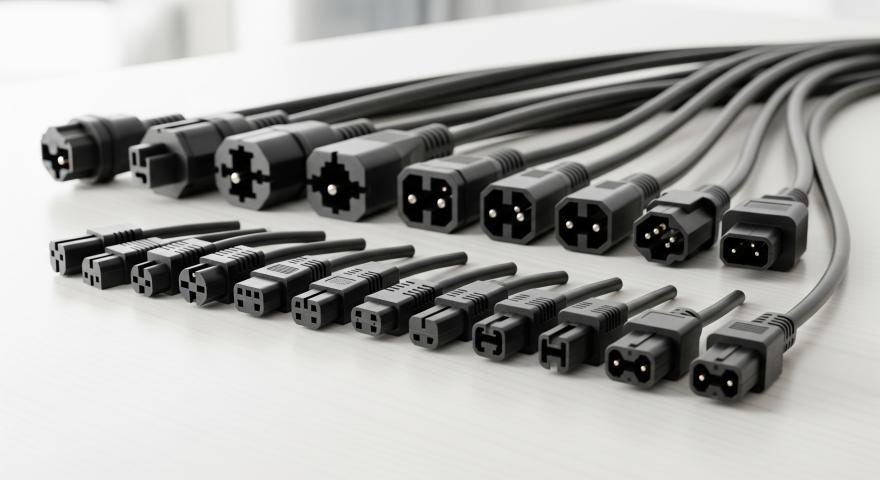
When you work with servers, networking equipment, or data center infrastructure, you encounter IEC power connectors daily. The International Electrotechnical Commission (IEC) establishes standards for these connectors to ensure safety and compatibility across different devices and regions. Among the most common connectors, the IEC C13 stands out as the workhorse of IT equipment power delivery.
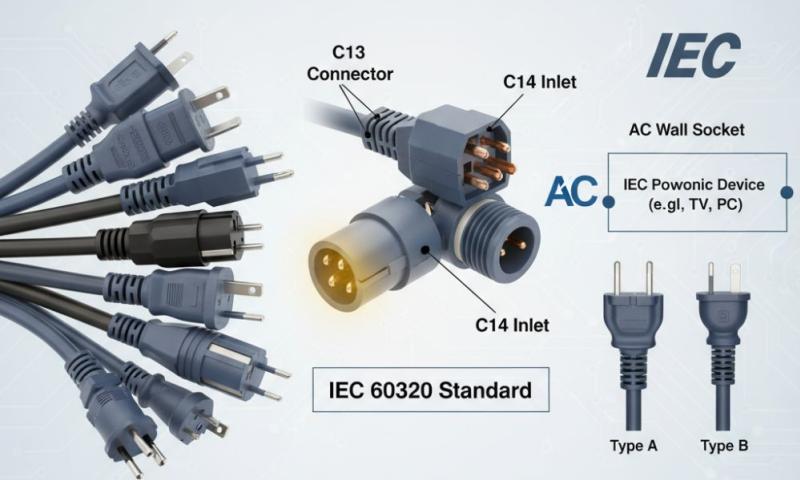
The IEC 60320 standard defines these connector types, and understanding their compatibility can save you time, prevent equipment damage, and ensure your infrastructure operates safely. This guide answers a critical question many IT professionals and data center managers face: can you plug a C13 cord into higher-rated inlets?
What is an IEC C13 Connector?
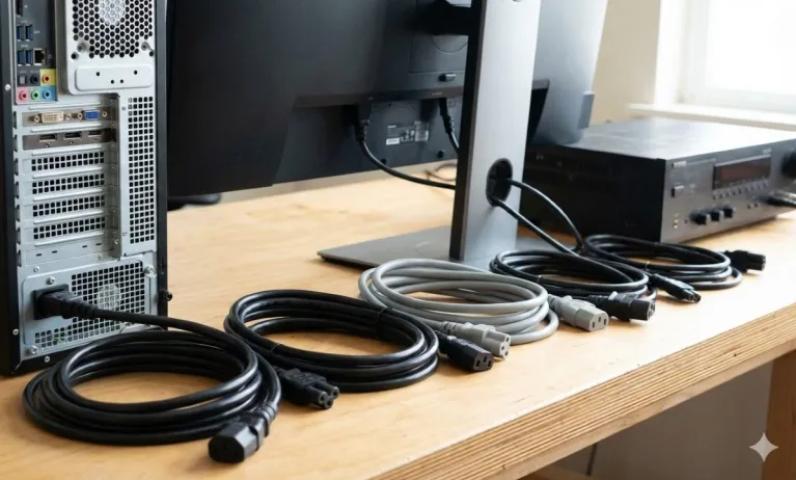
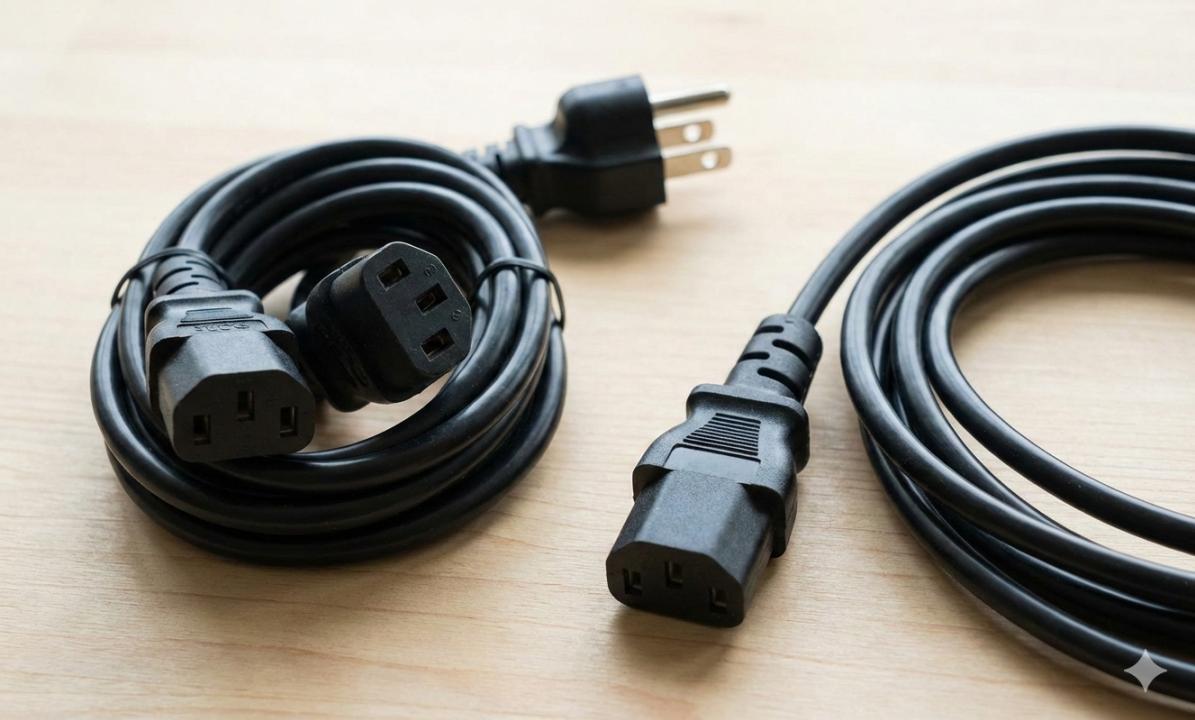
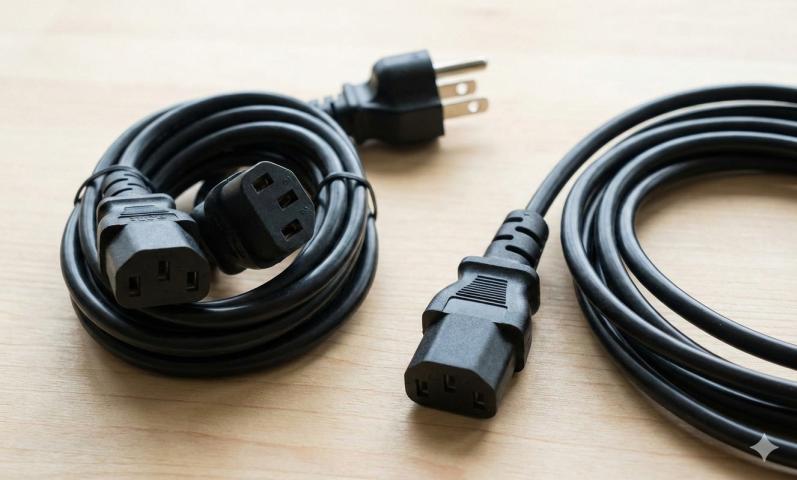
The IEC C13 connector serves as the female inlet you find on most computer equipment, servers, monitors, and networking devices. You see this connector on the back of desktop computers, rack-mounted servers, and countless other devices in your office or data center.
The C13 inlet pairs with a C14 plug, which connects to your power distribution unit (PDU) or wall outlet. This combination handles up to 10 amps of current at 250 volts and operates safely at temperatures up to 70°C (158°F). The C13 design features three pins in a distinctive trapezoidal housing that prevents incorrect insertion.
The C15 and C16 Inlets Explained
C15 Inlet Specifications
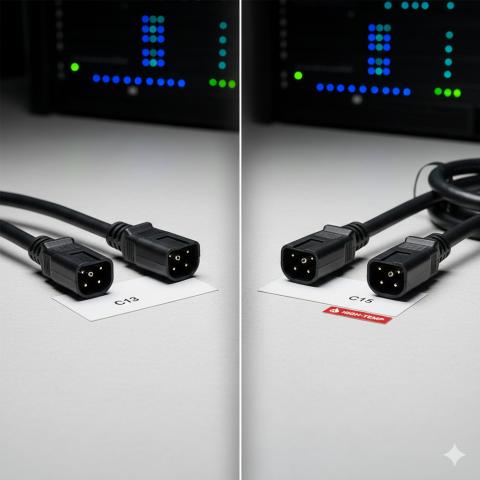
The C15 inlet looks similar to the C13 but includes a critical design difference: a notch in the connector housing. This inlet handles the same voltage and amperage as the C13 (10A at 250V) but operates at higher temperatures—up to 120°C (248°F). Manufacturers design C15 inlets for equipment that generates significant heat, such as electric kettles, high-performance servers, and some power supplies.
C16 Inlet Specifications
The C16 inlet shares the C15's notched design but supports higher current loads. This connector handles up to 16 amps at 250 volts while maintaining the same 120°C temperature rating. You find C16 inlets on high-power equipment, industrial applications, and devices requiring more robust power delivery than standard IT equipment.
Direct Answer: Compatibility Between C13 and Higher-Rated Inlets
Yes, you can physically plug an IEC C13 cord into both C15 and C16 inlets. The C15 and C16 inlets intentionally maintain backward compatibility with C13 plugs. The notch in the C15 and C16 housing accommodates the standard C13 connector shape, allowing the C13 to fit securely and make proper electrical contact.
However, this physical compatibility comes with important caveats that you must understand before making these connections in your infrastructure.
Why Backward Compatibility Exists
The IEC designed this backward compatibility deliberately. Equipment manufacturers recognized that users would need flexibility in their power infrastructure. A device with a C15 or C16 inlet might need to connect to a standard power cord in various situations, especially during emergencies, temporary setups, or when specific high-temperature cords are unavailable.
This design philosophy follows a simple principle: higher-rated equipment can safely accept lower-rated connectors, but the reverse does not hold true. You cannot plug a C15 or C19 plug into a C13 inlet because the physical design prevents this connection.
Important Safety Considerations
Temperature Rating Limitations
When you plug a IEC C13 cord into a C15 or C16 inlet, you introduce a potential weak point in your power chain. The C13 cord only tolerates temperatures up to 70°C, while the equipment with a C15 or C16 inlet may generate higher operating temperatures.
If the equipment heats the connection point beyond 70°C, the C13 cord's insulation may degrade, connectors may melt, or worse, you could create a fire hazard. Always verify that your equipment's operating temperature at the inlet stays within the C13's rating before making this connection.
Current Load Considerations for C16 Inlets
The C16 inlet supports 16 amps, but your C13 cord only handles 10 amps safely. If you connect a C13 cord to equipment that draws more than 10 amps through a C16 inlet, you risk overheating the cord, damaging the insulation, and potentially causing electrical fires.
Before connecting a IEC C13 cord to a C16 inlet, confirm that your equipment's power draw stays well below the 10-amp threshold. Check the equipment's nameplate, specifications, or use a power meter to measure actual consumption.
Best Practices for Data Centers and IT Environments
When the Connection is Acceptable
You can safely use a C13 cord with C15 or C16 inlets under these conditions:
- The equipment operates at temperatures that keep the inlet below 70°C during normal operation
- Your power draw remains significantly below 10 amps (ideally staying under 8 amps for safety margin)
- You monitor the connection regularly for signs of heat stress or degradation
- The connection serves as a temporary solution while you procure the correct cord
When You Should Use Proper Cords
You should always use properly rated cords in these situations:
- Permanent installations in production environments
- Equipment that operates near or at high temperatures
- Devices with power draws approaching or exceeding 10 amps
- Critical infrastructure where failure carries significant consequences
- Environments where you cannot regularly inspect connections
The Right Cord for the Job
For C15 inlets, use C15-to-C14 power cords. These cords feature the notched C15 connector and high-temperature insulation rated for 120°C operation. For C16 inlets, use C15-to-C14 cords rated for 16 amps, which provide both the temperature and current handling capabilities your equipment requires.
Investing in proper cords costs relatively little compared to the potential damage from using underrated components. A failed power cord can damage equipment, cause downtime, or create safety hazards that far exceed the cost of proper cables.
Conclusion
While you can physically connect an IEC C13 cord to C15 or C16 inlets, this compatibility serves best as an emergency measure rather than a permanent solution. The physical fit does not guarantee safe operation under all conditions. Always consider temperature ratings, current loads, and the critical nature of your equipment before making these connections.
For professional environments, data centers, and permanent installations, use cords rated to match your inlet specifications. This practice ensures safety, reliability, and compliance with electrical codes. Your equipment and your peace of mind deserve the protection that properly rated components provide.
Sources: https://itsoftwaretips.com/a-simple-guide-to-choosing-the-right-c13-power-cord-for-your-devices/
https://sfcable.hashnode.dev/what-devices-use-a-c13-power-cord?showSharer=true